The impact of endocrine disruptors on human health remains a topic of ongoing research and discussion. These substances, which include various chemicals such as pharmaceuticals and dioxin-like compounds, can lead to a range of health issues. Some of these compounds exhibit antiandrogenic, estrogenic, and antithyroid properties, while others are commonly found in everyday products like detergents. Given their potential toxicity, it is advisable to minimize exposure to these harmful substances.
The Influence of Endocrine Disruptors on Development
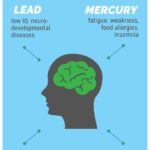
Numerous studies indicate that endocrine disruptors can significantly affect both child and adult development. Research has linked these chemicals to decreased IQ levels, autism spectrum disorders, and various neurodevelopmental issues. One notable example is Diethylstilbestrol (DES), a synthetic estrogen previously prescribed during pregnancy, which has been identified as a carcinogenic agent. Infants, in particular, are at a heightened risk, often exhibiting higher levels of lead exposure than adults. To safeguard health, prevention and awareness are essential.
Common Household Products and Their Risks
Many household products contain endocrine disruptors, and certain natural oils, such as tea tree oil and lavender oil, have also been implicated. These oils have been associated with abnormal breast development in both boys and girls. In animal studies, exposure to DES has shown to alter gene expression in reproductive organs, leading to complications in pregnancy and infertility.
Potential Health Consequences of Endocrine Disruptors
While the exact effects of endocrine disruptors on human health are still being studied, evidence suggests they can lead to serious health issues. These include low sperm quality, early onset of puberty, abnormal development of sex organs, immune system dysfunction, and even cancer. Additionally, these chemicals can disrupt neurological development and overall brain function, posing risks to both mental and physical health.
The Impact on Animals and Environmental Health
Endocrine disruptors primarily affect humans, but their adverse effects are even more pronounced in animals. Certain chemicals can interfere with thyroid function and reproductive health. The Environmental Protection Agency (EPA) has initiated programs to assess the impact of various endocrine disruptors in the United States, particularly those related to agricultural practices.
Complex Interactions Within the Body
The effects of endocrine disruptors on the human body are intricate. Chemicals found in plastic bottles and metal food cans are suspected of interfering with hormonal balance and contributing to tumor development. Research indicates that these substances can disrupt the endocrine system, leading to cancer and other health issues. The presence of synthetic endocrine disruptors raises concerns about their impact on reproductive health.
Hormonal Balance and Its Implications
Endocrine disruptors can disrupt hormonal balance, affecting bodily functions in various ways. Some chemicals mimic natural hormones, causing the body to react excessively. For instance, DES exposure has been linked to vaginal cancer and reproductive system complications in pregnant women. This disruption highlights the consequences of using chemicals that interfere with hormonal regulation.
As ongoing research continues to unveil the complexities surrounding endocrine disruptors, it is clear that awareness and preventive measures are vital. Understanding the sources of these chemicals and their potential health risks can empower individuals to make informed choices for their well-being.