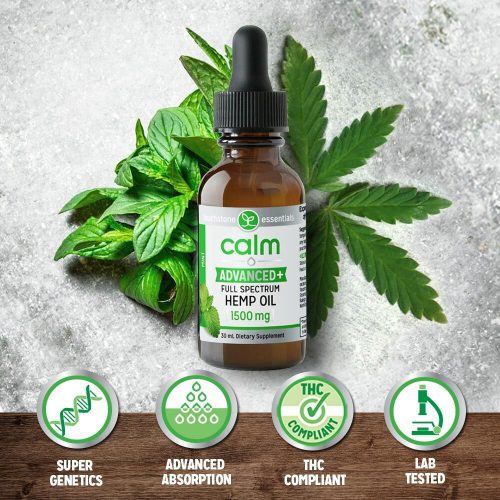
In recent years, hemp oil has gained significant popularity as a health supplement. More individuals are recognizing its remarkable health benefits, making it a staple in the routines of athletes, busy parents, weekend adventurers, and entrepreneurs alike.
Scientific research supports the efficacy of hemp oil. The National Center for Biotechnology Information lists over 2,000 peer-reviewed studies on its components, particularly cannabidiol (CBD).
Regardless of your health goals, the potential of hemp oil can assist you in achieving optimal wellness. However, its rising popularity has led some companies to offer subpar products. Understanding the differences in quality, cannabinoid content, and extraction methods is vital when considering hemp oil as a supplement. Below, we provide a comprehensive overview to help you make informed decisions.
How Much CBD is Present in Hemp Oil?
Hemp oil primarily consists of two components: a concentrated extract rich in cannabinoids, including CBD, and a carrier oil. Most supplements come in one-ounce (30 mL) bottles. However, the concentration of cannabinoid-rich extract can vary significantly.
Some products may appear more affordable at first glance, but they often contain lower quantities of active extract, making them less cost-effective in the long run. Always check the total milligrams of extract per bottle and per serving to evaluate strength and value accurately.
Is the Hemp Oil Full Spectrum or an Isolate?
While a CBD isolate may seem appealing due to its focus on a single cannabinoid, the benefits of hemp oil extend beyond CBD. Full spectrum hemp oil includes a variety of cannabinoids, terpenes, and flavonoids, which together may create a synergistic effect known as the entourage effect. Therefore, it’s advisable to choose full spectrum hemp oil that contains CBD alongside other beneficial compounds.
What Extraction Method is Used for Hemp Oil?
The extraction method used to obtain hemp oil significantly impacts its quality. Various methods exist, with some being preferable over others. Avoid products extracted using chemical solvents like hexane, acetone, or butane, as these can leave harmful residues in the oil.
While ethanol extraction is a better alternative, it may still compromise some delicate plant compounds. The best extraction method is CO2 extraction, which utilizes low temperature and high pressure to preserve the full spectrum of beneficial compounds in hemp oil, without any chemical residues.
What Carrier Oil is Used with the CBD Extract?
The potent cannabinoid extract is typically combined with a carrier oil, which aids in accurate dosing and allows for adjustments in serving size. While the choice of carrier oil is not as critical as the extract itself, it can influence the overall quality of the product.
Common carrier oils include olive oil and MCT oil (derived from coconut). However, we recommend using organically-grown hemp seed oil. It is nutrient-rich, offering essential fatty acids and vitamins, making it a heart-healthy option.
Is the Hemp Oil Optimized for Absorption?
Most oils tend to form large droplets, which can hinder efficient absorption in the body. Researchers have developed liposomal technology to create smaller oil droplets, enhancing absorption. However, an even more advanced solution is nano-emulsification technology, which produces microscopic droplets averaging just 25 nanometers in size.
These nano-emulsions are significantly smaller than liposomal droplets, resulting in better absorption and a larger combined surface area, which increases bioavailability. Utilizing a hemp oil with nano-emulsion technology can lead to quicker and more effective results in the body.
Is the Hemp Oil THC Compliant?
Hemp naturally contains low levels of THC, the psychoactive compound associated with marijuana. For hemp oil to be compliant, it must contain less than 0.3% THC. Reputable companies will provide lab results to confirm THC levels.
Even trace amounts of THC can potentially show up on drug tests for employers or athletes. Fortunately, advanced chromatography techniques now allow for the production of hemp oil with zero THC. However, it remains wise to check with your employer regarding their specific testing policies.
Choosing a THC-free hemp oil is essential if you plan to offer it to pets, as they may have adverse reactions to any THC content.
Final Thoughts on Hemp Oil
Hemp oil is a natural botanical extract that offers various health benefits. The cannabinoids present in hemp oil interact with specific receptors in the body, contributing to overall balance and wellness. With a rich array of phytochemicals such as CBD, other cannabinoids, terpenes, and flavonoids, hemp oil provides a gentle yet effective means of promoting health.
Be mindful of the significant differences in quality among available products. By following the criteria outlined above, you can ensure that you select a premium, full spectrum hemp oil that aligns with your health aspirations.