Insulin resistance has emerged as a significant health issue in the United States, impacting around 35% of the adult population. This condition arises when the body’s cells become less responsive to insulin, leading to elevated blood sugar levels and potentially resulting in metabolic syndrome. Metabolic syndrome is a combination of risk factors, including high fasting glucose, dyslipidemia, hypertension, central obesity, polycystic ovarian syndrome, and low testosterone levels. Individuals with metabolic syndrome face increased risks of cardiovascular diseases and diabetes. This article will examine the causes, risk factors, and strategies for managing and reversing insulin resistance and type 2 diabetes. We will also highlight the influence of genetics, lifestyle choices, and environmental factors on insulin resistance, while emphasizing the importance of exercise, weight management, and a nutritious diet in combating these conditions. Furthermore, we will discuss the effects of environmental toxins and the advantages of regular detoxification. If you’re eager to take charge of your health and learn how to maintain optimal blood sugar levels, continue reading!
What is Insulin Resistance?
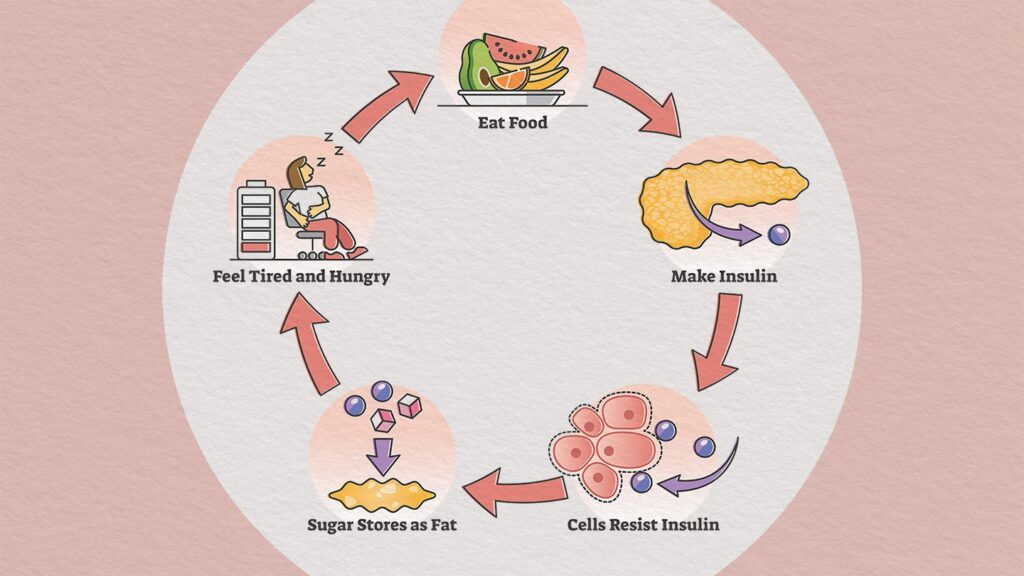
Insulin resistance occurs when the cells in the body do not respond effectively to insulin, a hormone produced by the pancreas that regulates blood sugar levels. This resistance can lead to elevated blood sugar levels, which can negatively impact overall health.
Definition of Insulin Resistance
Insulin resistance is a condition where the body’s cells fail to respond adequately to insulin, preventing glucose from entering the cells efficiently. Consequently, blood sugar levels remain elevated.
Prevalence of Insulin Resistance in the US
Insulin resistance is a widespread health concern in the United States, affecting approximately 35% of adults. The rise in unhealthy lifestyles, poor dietary habits, and sedentary behaviors has contributed to the increasing incidence of insulin resistance.
Effects of Insulin Resistance
Insulin resistance has numerous adverse effects on overall health, particularly regarding blood sugar levels and the risk of developing metabolic syndrome.
Impact on Blood Sugar Levels
Insulin resistance disrupts glucose metabolism, resulting in elevated blood sugar levels that may lead to prediabetes or type 2 diabetes. Chronic high blood sugar levels can cause damage to various organs and tissues in the body.
Development of Metabolic Syndrome
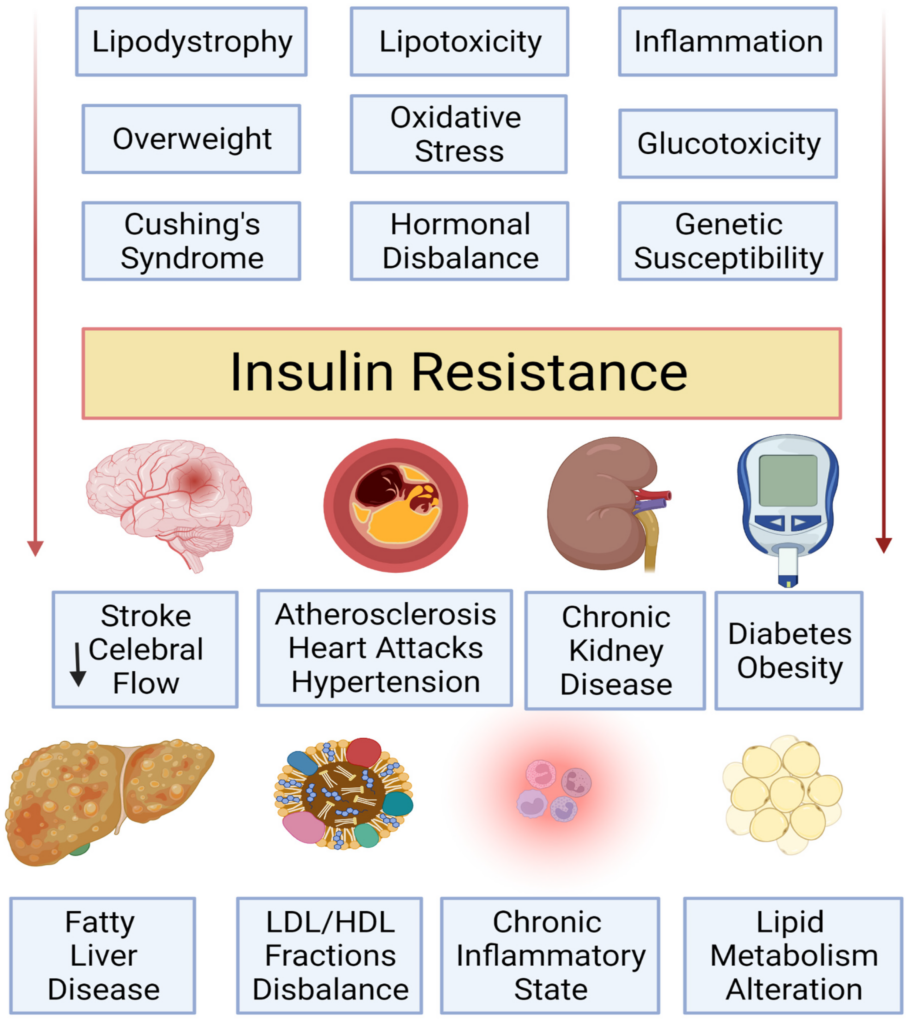
Metabolic syndrome is a cluster of risk factors that increase the likelihood of developing cardiovascular disease and type 2 diabetes. These risk factors include:
Elevated Fasting Glucose
Insulin resistance often results in elevated fasting glucose levels, a key criterion for diagnosing metabolic syndrome.
Dyslipidemia
Insulin resistance can disrupt lipid metabolism, leading to abnormal cholesterol and triglyceride levels, which are critical components of metabolic syndrome.
Hypertension
Insulin resistance may contribute to high blood pressure, a significant risk factor for heart disease and stroke.
Central Adiposity
Individuals with insulin resistance often accumulate excess abdominal fat, heightening the risk of metabolic syndrome.
Polycystic Ovarian Syndrome
Insulin resistance is closely linked to polycystic ovarian syndrome (PCOS), a hormonal disorder affecting women that can lead to infertility and other health complications.
Low Testosterone
In men, insulin resistance can lead to reduced testosterone levels, resulting in decreased libido and potential fertility issues.
The Growing Epidemic of Metabolic Syndrome
Metabolic syndrome is becoming increasingly prevalent, affecting nearly 35% of adults in the United States. The rising rates of obesity, sedentary lifestyles, and poor dietary choices contribute to this alarming trend. Addressing the risk factors associated with metabolic syndrome is vital to preventing more severe health complications.
Prevalence of Metabolic Syndrome in the US
Metabolic syndrome is a significant health concern in the United States, impacting a large segment of the adult population. The increase in obesity rates and unhealthy lifestyles has led to a rise in metabolic syndrome cases.
Factors Contributing to the Epidemic
The metabolic syndrome epidemic can be attributed to a combination of factors, including genetics, nutritional deficiencies, metabolic defects, lifestyle choices, and environmental exposures. Tackling these factors is essential for managing and preventing metabolic syndrome.
Causes of Insulin Resistance and Metabolic Syndrome
Multiple factors contribute to the development of insulin resistance and metabolic syndrome, including genetic predisposition, nutritional deficiencies, metabolic disorders, lifestyle choices, and environmental exposures.
Genetic Factors
Some individuals may inherit a genetic predisposition to insulin resistance and metabolic syndrome. However, lifestyle choices and environmental influences play a significant role in their development.
Nutritional Deficiencies
Poor dietary habits characterized by excessive consumption of processed foods, high sugar intake, and low nutrient density can contribute to insulin resistance and metabolic syndrome.
Metabolic Defects
Certain metabolic disorders, such as non-alcoholic fatty liver disease, can lead to insulin resistance and metabolic syndrome.
Lifestyle Factors
A sedentary lifestyle, lack of physical activity, and excessive caloric intake can heighten the risk of developing insulin resistance and metabolic syndrome.
Environmental Exposures
Exposure to environmental toxins, such as bisphenol A (BPA) and persistent organic pollutants, has been associated with insulin resistance and the onset of metabolic syndrome.
Association of Environmental Toxins with Insulin Resistance
Environmental toxins significantly influence the development of insulin resistance and metabolic syndrome.
Role of Environmental Toxins in Insulin Resistance
Certain environmental toxins can disrupt hormone regulation and interfere with insulin signaling, contributing to insulin resistance.
Specific Toxins Linked to Insulin Resistance
Bisphenol A (BPA), a chemical commonly found in plastic products, and persistent organic pollutants (POPs) present in pesticides and industrial chemicals have been linked to insulin resistance and metabolic syndrome. Minimizing exposure to these toxins can aid in preventing and managing insulin resistance.
Managing Insulin Resistance and Type 2 Diabetes
Effectively managing insulin resistance and type 2 diabetes requires a multifaceted approach that includes lifestyle changes and, in some cases, medication.
Role of Lifestyle Factors in Insulin Resistance Management
Key lifestyle factors, such as regular physical activity, healthy eating habits, stress management, and sufficient sleep, play a vital role in managing insulin resistance.
Exercise as a Key Component
Engaging in regular exercise enhances insulin sensitivity, promoting the efficient uptake of glucose by the cells.
Weight Loss and Its Effects on Insulin Resistance
Reducing excess weight can significantly improve insulin resistance and lower the risk of developing type 2 diabetes.
Importance of a Healthy Diet
A balanced diet rich in whole foods, fiber, lean proteins, and healthy fats helps maintain stable blood sugar levels and supports overall health.
Research on Lifestyle Modifications vs. Medication
Studies indicate that lifestyle modifications, including diet and exercise, are often more effective than medication alone in preventing and managing insulin resistance and type 2 diabetes. Incorporating these lifestyle changes is essential for long-term success.
Detoxification and Blood Sugar Control
Regular detoxification and minimizing exposure to toxic substances are critical for maintaining healthy blood sugar levels and preventing insulin resistance.
Benefits of Regular Detoxification
Routine detoxification aids in eliminating accumulated toxins from the body, promoting overall health and preventing metabolic disruption.
Avoidance of Toxic Substances
Reducing exposure to environmental toxins, such as BPA and POPs, can help prevent insulin resistance and metabolic syndrome.
Maintaining Healthy Blood Sugar Levels
By adopting a healthy lifestyle that includes regular exercise, a balanced diet, and detoxification practices, individuals can maintain stable blood sugar levels and prevent insulin resistance.