Modern life has made people physically comfortable but mentally overwhelmed.
Cold Therapy and Mental Resilience: Why Discomfort Can Make You Stronger
Most days are spent:
- sitting indoors
- avoiding discomfort
- staring at screens
- multitasking constantly
- and living under nonstop stress
At the same time, anxiety, burnout, exhaustion, and mental fatigue keep rising.
Many people are no longer just looking for ways to “relax.”
They want habits that actually help them become stronger.
That is one reason cold plunges have exploded in popularity among:
- entrepreneurs
- athletes
- wellness enthusiasts
- military veterans
- high performers
- and people who care deeply about resilience
Cold exposure forces the body and mind to face discomfort directly.
Surprisingly, many people discover that this type of controlled discomfort helps them feel calmer, stronger, and more mentally grounded over time.
Affordable systems like Polar Dive are making this practice accessible for people focused on:
- longevity
- recovery
- stress management
- and natural wellness routines at home
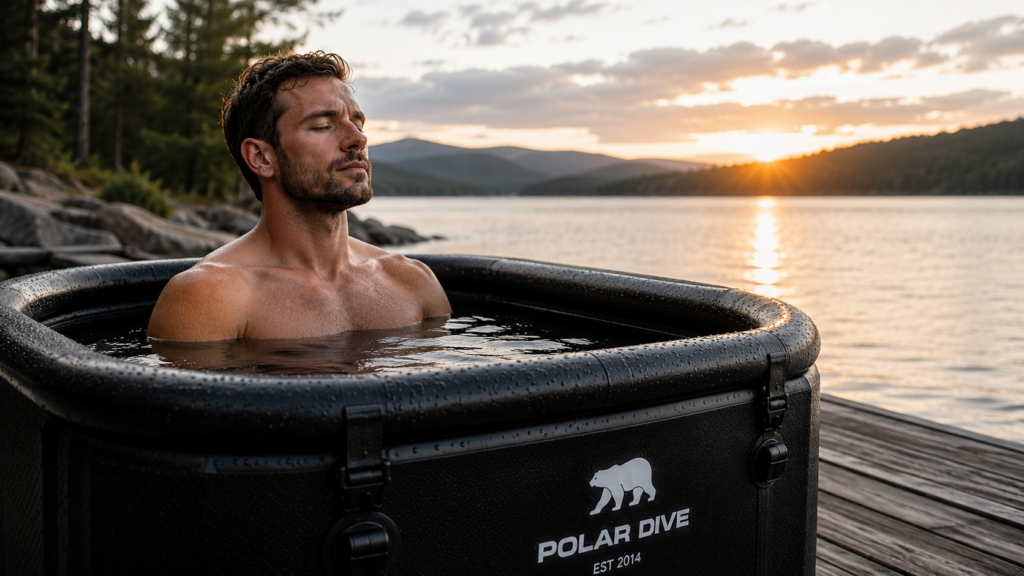
Quick View: How Cold Plunges Support Mental Resilience
| Mental Goal | How Cold Plunges May Help |
| Stress tolerance | Trains you to stay calm under controlled stress |
| Emotional regulation | Encourages slower breathing and grounded focus |
| Discipline | Builds a habit of choosing discomfort intentionally |
| Mental clarity | Many users report sharper, more present thinking |
| Recovery from stress | Creates a “reset” feeling after tough days |
Many regular users describe cold plunging as a mental gym session—a short, intense practice that strengthens how they handle the rest of the day.
Why Modern Life Overloads the Nervous System
Most of today’s stress is invisible.
We may not be physically fighting for survival, but the nervous system still reacts to:
- deadlines
- financial pressure
- constant notifications
- social media noise
- poor or fragmented sleep
- traffic and commutes
- and nonstop mental input
The problem is that many people never fully recover from this stress.
Instead, the body gets stuck in a chronic loop of:
- tension
- fatigue
- shallow breathing
- poor recovery
- and nervous system overload
Over time, this can contribute to:
- poor sleep
- low, unstable energy
- brain fog
- irritability
- emotional exhaustion
- and reduced resilience
Cold exposure introduces a very different kind of stress.
It is:
- controlled
- intentional
- temporary
- and clearly physical
That distinction matters, because it gives people a safe way to train their stress response instead of simply being overwhelmed by it.
What Happens During Cold Exposure
When you enter cold water, the nervous system responds instantly.
- Breathing becomes rapid.
- Heart rate increases.
- Stress hormones spike.
- Blood vessels constrict to preserve heat.
The body shifts into a short-term survival mode to maintain stability.
At first, this feels uncomfortable because the brain interprets the cold as a threat.
But with consistent practice, something important often changes.
People begin learning how to:
- slow their breathing
- release tension
- and regulate their response to discomfort
Instead of panicking, they stay present.
Instead of fighting the sensation, they focus on how they respond to it.
This is why many people describe cold plunging as mentally transformative.
The cold itself does not magically create resilience.
The adaptation process does.
See How Polar Dive Helps You Train Mental Resilience
Why Controlled Discomfort Matters
Modern culture is built around constant comfort.
We are encouraged to avoid:
- discomfort
- inconvenience
- challenge
- silence
- stillness
- and emotional strain
Yet resilience is usually built through adaptation, not avoidance.
- Exercise works because it challenges the body.
- Muscles grow by being stressed and then recovering.
- Mental resilience often develops the same way.
Cold exposure creates what researchers sometimes call a hormetic stressor—a small, controlled stress that may lead to positive adaptations over time.
Cold plunges may help support:
- nervous system adaptation
- stress tolerance
- emotional regulation
- and recovery sensations
That is one reason cold therapy has become popular in:
- biohacking circles
- performance psychology
- athletic recovery
- and modern wellness communities
The Mental Benefits Many People Notice
While research continues to evolve, many cold plunge users report similar mental shifts.
People often describe:
- improved focus
- greater calm
- increased discipline
- emotional clarity
- and better stress tolerance
A key player here is norepinephrine, which rises sharply during cold exposure and is associated with:
- alertness
- attention
- focus
- and mood regulation
Instead of the jittery, wired feeling people get from heavy stimulant use, cold exposure often produces what users call:
- calm energy
- grounded alertness
- and clean mental clarity
Many people also feel mentally stronger after practicing cold exposure consistently.
Not because the cold becomes easy, but because they become better at handling what is hard.
Want a Daily Habit That Trains Real Mental Resilience?
Every time you step into a cold plunge, you practice staying calm under pressure. Over time, that skill can ripple into work, relationships, and how you handle everyday stress.
- Builds discipline through voluntary discomfort
- Helps you practice emotional regulation in real time
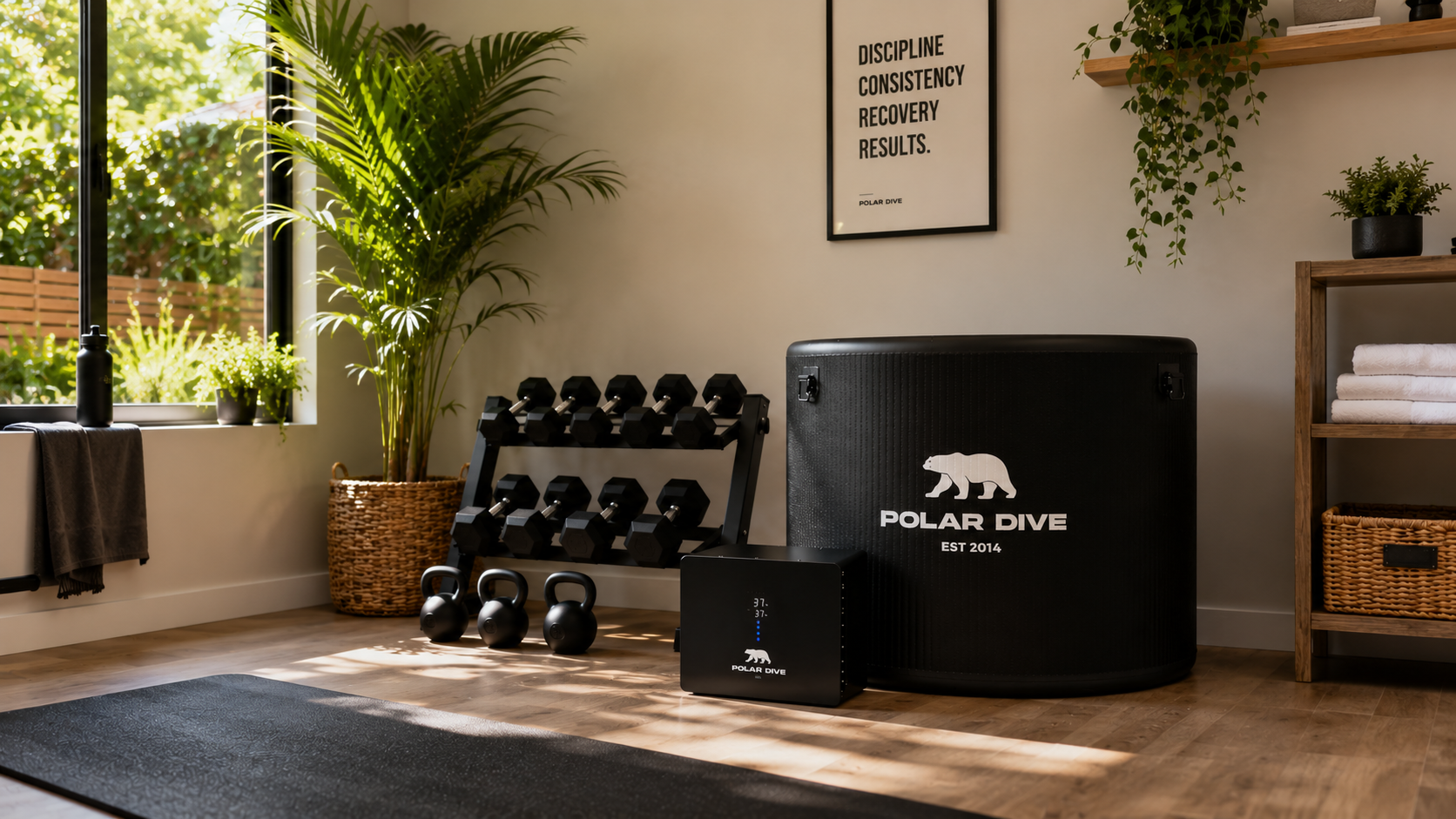
- Turns your garage, patio, or home gym into a mental training space
Explore Polar Dive cold plunge systems for resilience and recovery:
Discover Polar Dive as your at-home mental training tool »
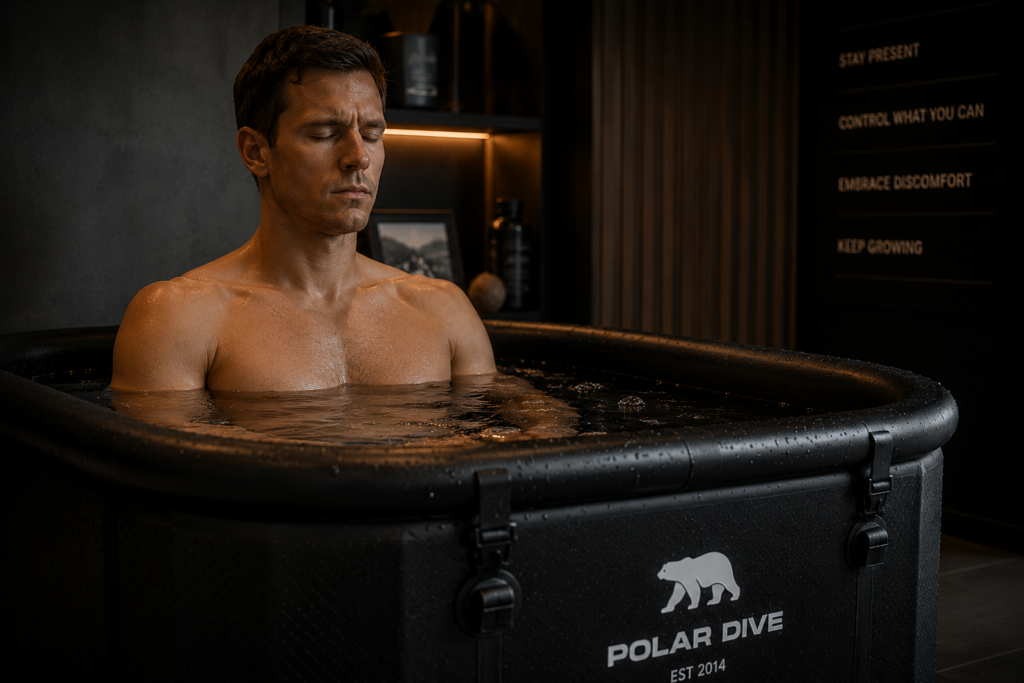
Why Morning Cold Plunges Are Becoming a Resilience Habit
Morning routines have become a major focus in wellness and performance culture.
People are looking for better ways to:
- wake up
- increase energy
- sharpen focus
- and reduce reliance on high caffeine intake
Cold plunges fit naturally into that conversation.
A morning plunge:
- activates the body and mind immediately
- clears lingering grogginess
- and sends a strong mental signal: “I can do hard things.”
Beyond the physical response, it creates momentum.
Starting the day by choosing a difficult, intentional challenge often changes how people handle:
- work tasks
- uncomfortable conversations
- workouts
- and decision making
Many users say it helps reinforce:
- discipline
- intentionality
- consistency
- and mental toughness
That is one reason cold plunges are increasingly common among:
- entrepreneurs
- executives
- athletes
- and performance-focused individuals
See How a Morning Polar Dive Fits Your Routine
Why Polar Dive Is Making Cold Therapy More Accessible
For years, one of the biggest barriers to cold therapy has been price.
Traditional systems often cost thousands of dollars, which feels excessive for most households.
Polar Dive takes a different path.
Instead of building oversized, luxury-focused units, Polar Dive emphasizes:
- affordability
- practical design
- effective cooling
- and simplicity
The system:
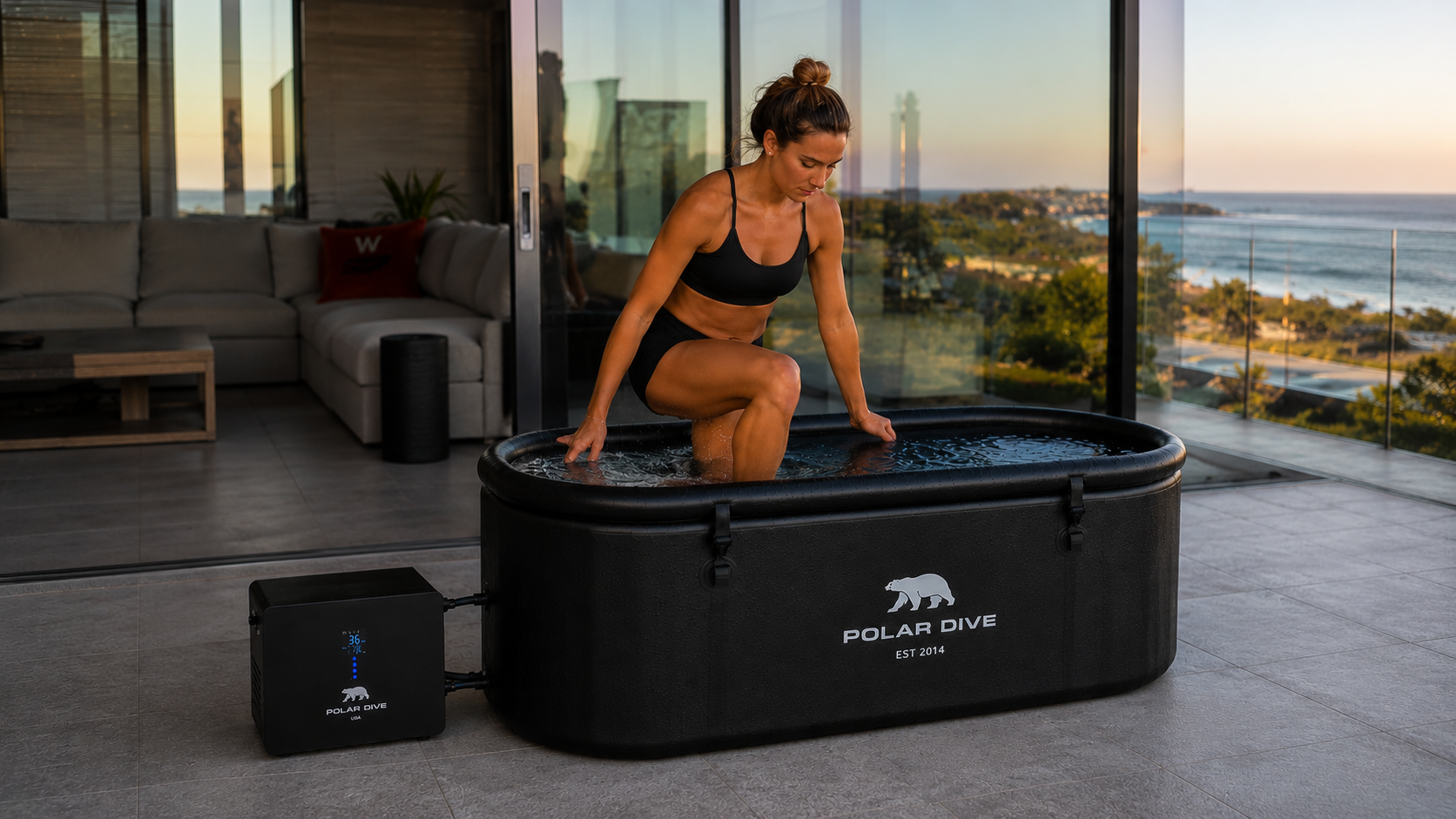
- cools water down to about 39°F
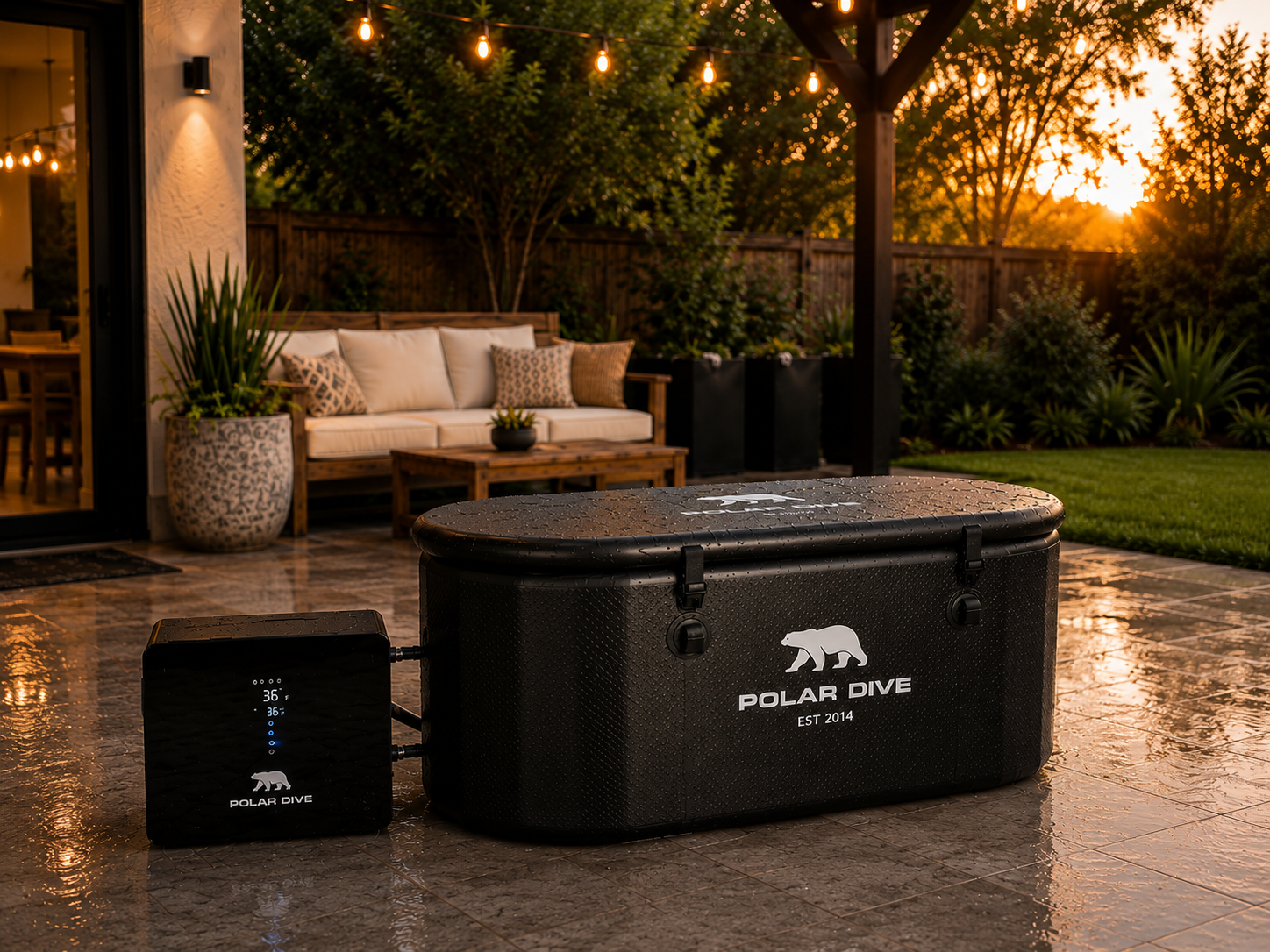
- works indoors or outdoors
- remains compact and space-conscious
- and is designed to be energy efficient
That makes it realistic for:
- home wellness spaces
- garages
- patios and decks
- home gyms
- and backyard recovery setups
Many users love that they no longer have to buy constant ice or manage messy, inconsistent DIY tubs.
Polar Dive cold plunge tubs and chillers generally range from around $599 to roughly $1,750+, placing them in a more entry-level to midrange category compared with many high-end systems.
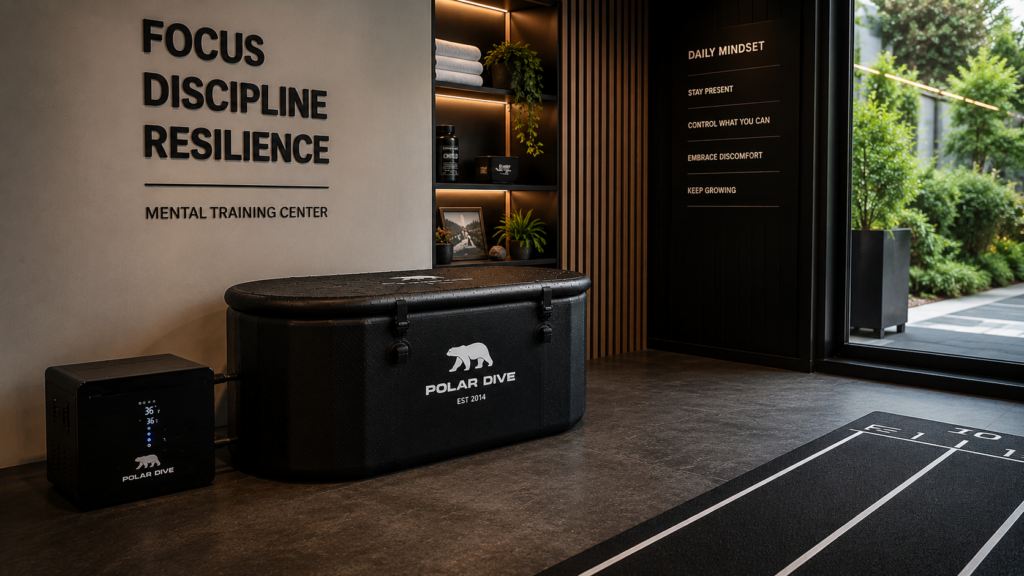
The Discipline Effect: More Than Just Recovery
Cold therapy becomes powerful because it reinforces personal discipline.
Every plunge creates the same decision point:
Will you avoid discomfort, or face it on purpose?
Over time, many people feel that this practice carries into other parts of life:
- nutrition choices
- training consistency
- work habits
- recovery routines
- and emotional responses
Cold plunging becomes less about “getting through the cold” and more about how you show up under stress.
For many, that mental shift is why cold therapy resonates so strongly with people committed to:
- growth
- resilience
- and intentional living
Who Polar Dive Is Best For
Polar Dive may be especially useful for:
- wellness enthusiasts
- busy professionals
- athletes
- entrepreneurs
- recovery-focused individuals
- and people interested in natural stress management
It is also appealing for those who:
- care about longevity
- value non-toxic, practical wellness tools
- and want meaningful habits without luxury price tags
Check Polar Dive availability and current offers
Are Cold Plunges Safe?
Cold plunges are generally well tolerated by healthy individuals when practiced responsibly.
However, anyone with:
- cardiovascular conditions
- uncontrolled hypertension
- significant circulation disorders
- or other serious medical concerns
should consult a healthcare professional before beginning cold exposure.
For beginners, it is important to:
- start slowly
- keep sessions short initially
- avoid extremes in temperature or duration at first
- and prioritize slow, controlled breathing over “toughing it out”
Frequently Asked Questions
Why do cold plunges feel mentally powerful?
Cold exposure forces the nervous system to adapt to controlled discomfort, which may help support stress resilience, emotional regulation, and a stronger sense of self-trust over time.
Can cold therapy improve focus?
Many people report improved alertness and mental clarity after cold exposure, which is associated with increases in norepinephrine and heightened nervous system activation.
What is hormesis?
Hormesis refers to small, controlled stressors that encourage the body to adapt and become more resilient, such as exercise, temperature changes, or certain types of physical training.
Why are entrepreneurs using cold plunges?
Many high performers use cold therapy to support recovery, sharpen focus, reinforce discipline, and manage stress more effectively throughout demanding workdays.
Is Polar Dive beginner friendly?
Yes. Polar Dive is designed to make cold therapy practical and accessible for everyday users, with a compact design, effective cooling, and more affordable pricing than many luxury systems.
Final Thoughts: The Goal Is Adaptation, Not Suffering
The purpose of cold therapy is not suffering for its own sake.
The goal is adaptation.
Modern life already creates plenty of unhealthy stress.
Cold exposure introduces a controlled challenge that many people find helps them:
- feel calmer
- think more clearly
- recover better
- and build stronger mental resilience
That is why cold plunges are becoming more than just another wellness trend.
For many, they are part of a larger shift toward intentional living, effective recovery, and long-term resilience.
Ready to build more resilience and recovery into your daily routine?
See how an at-home cold plunge can become your personal mental training tool:
Check out Polar Dive cold plunge systems