In today’s fast-paced world, it can be easy to neglect our body’s most basic needs, such as hydration. However, staying adequately hydrated is essential for maintaining overall health and well-being. Dehydration can lead to a multitude of issues, including fatigue, headaches, difficulty concentrating, and even impaired physical performance. To avoid these potential pitfalls and optimize your hydration levels, there are several top ways you can incorporate throughout your day. From starting your morning with a refreshing glass of water to keeping a reusable water bottle by your side at all times, these small yet impactful habits can make a significant difference in your overall hydration status. By prioritizing hydration and following these simple strategies, you can ensure that you stay properly hydrated throughout the day, allowing your body to function at its best and maximizing your overall well-being.
1. Drink Plenty of Water
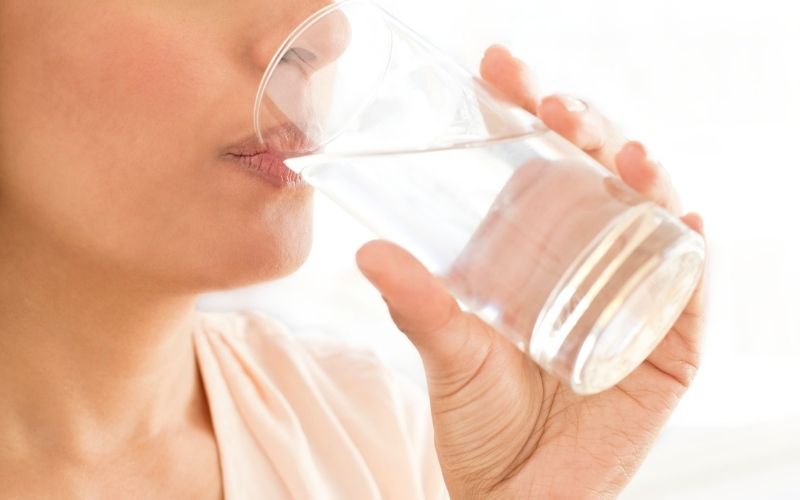
When it comes to staying hydrated, the importance of drinking plenty of water cannot be emphasized enough. Water is essential for our bodies to function properly and is involved in numerous physiological processes. To ensure that you are consistently staying hydrated, here are a few strategies you can implement:
Carry a Water Bottle
One of the easiest ways to increase your water intake is to always have a water bottle with you. Whether you’re at work, running errands, or exercising, having a water bottle readily available serves as a constant reminder to drink water throughout the day. Make it a habit to fill up your water bottle first thing in the morning and keep it within arm’s reach.
Set Reminders to Drink Water
With the busy nature of our lives, it’s easy to forget to drink enough water. Setting reminders on your phone or using a smartwatch can be incredibly helpful in ensuring that you stay on track with your hydration goals. Schedule regular reminders throughout the day to prompt yourself to take a sip and replenish your body’s water levels.
Drink Water Before Every Meal
Another effective strategy to increase your water intake is to make it a habit to drink a glass of water before every meal. This not only helps with hydration but can also assist with portion control and digestion. By consuming water before your meal, you may feel fuller and be less inclined to overeat.
2. Infuse Water with Fruits and Herbs
If you find plain water to be boring, infusing it with fruits and herbs can add a burst of flavor and make hydration more enjoyable. Here are a few ways you can infuse your water:
Add Fresh Fruits
Slice up your favorite fruits such as strawberries, oranges, or lemons and add them to a pitcher or water bottle. Let the fruits steep in the water for a few hours to infuse their flavors. Not only will this enhance the taste of your water, but it will also provide a natural source of vitamins and minerals.
Include Herbs and Spices
Experiment with adding herbs and spices to your water for a unique flavor profile. Mint leaves, basil, and rosemary can add a refreshing twist to your hydration routine. Additionally, spices like ginger or cinnamon can lend a warming and aromatic note to your infused water.
Try Flavored Ice Cubes
Another fun way to infuse water is by freezing fruit or herb-infused water into ice cubes. Use these flavored ice cubes in your water to gradually release their flavors as they melt. This can be a great way to add variation to your hydration routine and keep your water cool during the summer months.
3. Consume Hydrating Foods
Staying hydrated doesn’t solely rely on drinking water alone. Consuming foods with high water content can also contribute to your overall hydration levels. Here are some strategies to incorporate hydrating foods into your diet:
Eat Water-Rich Fruits and Vegetables
Fruits and vegetables with high water content are not only nutritious but also help keep you hydrated. Some examples of water-rich foods include watermelon, cucumbers, oranges, and strawberries. These foods can provide an additional source of hydration and contribute to your overall fluid intake.
Include Soups and Broths
Soups and broths are not only comforting but also a great way to increase your hydration levels. Whether it’s a vegetable soup or a hearty bone broth, these liquid-based meals can help replenish your fluids while providing essential nutrients. Opt for homemade versions with minimal sodium content for a healthier option.
Opt for Hydrating Snacks
Instead of reaching for processed snacks, choose hydrating options when you feel those mid-day hunger pangs. Snack on water-rich foods like celery sticks, cherry tomatoes, or slices of watermelon. These snacks can help keep you hydrated while satisfying your cravings.
4. Limit Diuretic Beverages
While it’s important to monitor your water intake, it’s equally essential to be aware of beverages that may have a diuretic effect and increase fluid loss. Here are some strategies to keep in mind:
Reduce Intake of Caffeinated Drinks
Caffeinated beverages like coffee and tea can have a diuretic effect and increase urine production. While moderate consumption of these beverages can be part of a healthy lifestyle, it’s important to balance them with adequate water intake. Aim to limit your caffeine intake and ensure that you offset it with equal amounts of water.
Moderate Alcohol Consumption
Alcohol is known for its diuretic properties, which can lead to increased urine output and subsequent dehydration. If you choose to consume alcohol, do so in moderation and be mindful of your fluid intake. Opt for hydrating alternatives like water or herbal tea in between alcoholic beverages to maintain your hydration levels.
Avoid Sugary Soft Drinks
Sugary soft drinks not only provide empty calories but can also contribute to dehydration. The high sugar content can disrupt the body’s fluid balance and lead to increased urine output. Opt for water or unsweetened beverages as your primary sources of hydration and limit the consumption of sugary soft drinks.
5. Monitor Your Urine Color
Monitoring your urine color can provide valuable information about your hydration status. Here’s what you need to know:
Learn to Recognize Dehydration
Dark urine is a common sign of dehydration. When your body is lacking adequate fluids, urine becomes more concentrated, leading to a darker color. Educate yourself about the different shades of urine and the implications they have on hydration. Understanding the signs of dehydration can help prompt you to increase your fluid intake when necessary.
Strive for Pale Yellow Urine Color
The ideal urine color to aim for is pale yellow, similar to the color of straw. This indicates that you are adequately hydrated and your kidneys are functioning optimally. By striving for this color, you can ensure that your body is receiving the necessary fluids it needs to perform at its best.
Increase Fluid Intake if Urine is Dark
If you notice that your urine is darker than pale yellow, it’s a clear indicator that you need to increase your fluid intake. Make a conscious effort to drink more water or include hydrating foods in your diet. By monitoring your urine color and making the appropriate adjustments, you can maintain optimal hydration levels.

6. Use a Hydration App or Tracker
In the digital age, there are numerous apps and trackers available to help you stay on top of your hydration goals. Here are some options to consider:
Download a Hydration App
There are various hydration apps available for smartphones that can help you track your water intake. These apps allow you to set daily hydration goals, record your progress, and send reminders to drink water throughout the day. Find one that suits your preferences and start using it to stay accountable.
Use a Smart Water Bottle
Smart water bottles are equipped with sensors that track your water consumption and sync with your smartphone. They can provide real-time data on your hydration progress and send reminders to drink water when needed. Investing in a smart water bottle can be an effective way to stay hydrated and reach your daily goals.
Set Daily Hydration Goals
Whether you choose to use an app, a smart water bottle, or simply a pen and paper, setting daily hydration goals is crucial. Determine how much water you need to drink each day based on your body weight and activity level. Having a specific target in mind can help you stay motivated and monitor your progress.
7. Eat Water-Rich Foods
In addition to drinking water, incorporating water-rich foods into your meals can further boost your hydration. Here are some ideas for including water-rich foods in your diet:
Include Melons and Citrus Fruits
Melons such as watermelon and cantaloupe have a high water content and can help keep you hydrated. Similarly, citrus fruits like oranges and grapefruits are not only refreshing but also provide a good source of water. Add these fruits to your salads, smoothies, or enjoy them as a refreshing snack.
Add Cucumber and Celery to Meals
Cucumber and celery are vegetables that are composed mostly of water. Adding slices of cucumber to your salads or enjoying celery sticks as a snack can contribute to your overall fluid intake. These vegetables are also low in calories and provide essential vitamins and minerals.
Try High-Water Content Greens
Leafy greens like lettuce, spinach, and kale have a high water content and can be added to meals to boost hydration. Use them as a base for salads, include them in wraps, or add them to smoothies for a hydrating and nutrient-rich meal option.
8. Drink Herbal Teas and Infusions
If you’re looking for alternative ways to stay hydrated, herbal teas and infusions can be a great option. Here are some suggestions to consider:
Try Chamomile or Peppermint Tea
Chamomile and peppermint teas are not only hydrating but also have soothing properties. They can be enjoyed hot or cold and are caffeine-free, making them a suitable choice for any time of the day. Experiment with different herbal teas to find the flavors that you enjoy the most.
Experiment with Hibiscus or Green Tea
Hibiscus tea has a vibrant crimson color and a tangy flavor. It is known for its antioxidant properties and can help support cardiovascular health. Green tea, on the other hand, is rich in antioxidants called catechins and is associated with various health benefits. Both herbal teas can be consumed hot or cold and contribute to your fluid intake.
Hydrate with Herbal Infusions
Besides herbal teas, you can also experiment with creating your own herbal infusions. Combine fresh herbs like rosemary, basil, or lavender with hot water and let them steep for a few minutes. Strain the herbs and enjoy the infused water as a refreshing and hydrating beverage.
9. Set a Hydration Schedule
Establishing a hydration schedule can help you maintain a consistent intake of fluids throughout the day. Consider the following strategies to stay on track:
Establish Regular Drinking Times
Set specific times during the day when you will drink water. For example, you could make it a habit to drink a glass of water first thing in the morning, before meals, and before going to bed. By creating a routine, you are more likely to prioritize hydration and meet your daily goals.
Drink Before, During, and After Exercise
Hydration becomes even more crucial during physical activity. Prior to exercising, drink water to ensure that you are properly hydrated. During your workout, take regular breaks to sip on water and replenish your fluids. And after your workout, continue to hydrate to facilitate proper recovery.
Have a Water Break Reminder at Work
While at work, it’s easy to get caught up in tasks and forget to drink water. Set a reminder on your phone or computer to prompt you to take a water break every hour. Use this time to step away from your desk, stretch, and hydrate.

10. Use a Water Tracking App
To keep a close eye on your water intake, consider using a water tracking app. These apps allow you to record your daily water consumption and receive reminders to drink throughout the day. Here’s how you can make the most of a water tracking app:
Download a Water Tracking App
Search for a water tracking app that suits your needs and download it to your smartphone. There are numerous options available on both iOS and Android platforms. Look for an app that has positive reviews and features that align with your goals.
Record Daily Water Intake
Once you have the app installed, make it a habit to record your water intake daily. Enter the amount of water you consume with each serving and track your progress over time. Some apps even allow you to set personalized goals based on your weight and activity level.
Receive Reminders to Drink
Utilize the reminder feature of the water tracking app to receive notifications throughout the day. These reminders can serve as a gentle nudge to take a sip of water and maintain your hydration levels. Customize the frequency and timing of the reminders to suit your preferences.
By implementing these strategies and being mindful of your hydration needs, you can ensure that you stay adequately hydrated throughout the day. Remember that maintaining optimal hydration is essential for overall health and well-being.