In today’s fast-paced and stress-filled world, finding effective ways to relieve stress and anxiety is becoming increasingly important. With mounting evidence suggesting a link between gut health, digestion, immune support, and mental well-being, taking a holistic approach to managing stress is crucial. By incorporating natural methods such as dietary modifications, probiotics, mindful eating practices, and stress reduction techniques, individuals can empower themselves to proactively enhance their vitality and resilience. This article will explore some of the natural ways to relieve stress and anxiety, providing you with valuable insights and practical strategies to promote a harmonious relationship between your mind, body, and environment for long-term health benefits.
Exercise and Physical Activity
Regular exercise is a powerful tool for reducing stress and anxiety. Engaging in physical activity releases endorphins, which are natural mood-boosting chemicals in the brain. It also helps to reduce muscle tension and promote relaxation. Incorporating exercise into your daily routine can have a significant impact on your overall well-being.
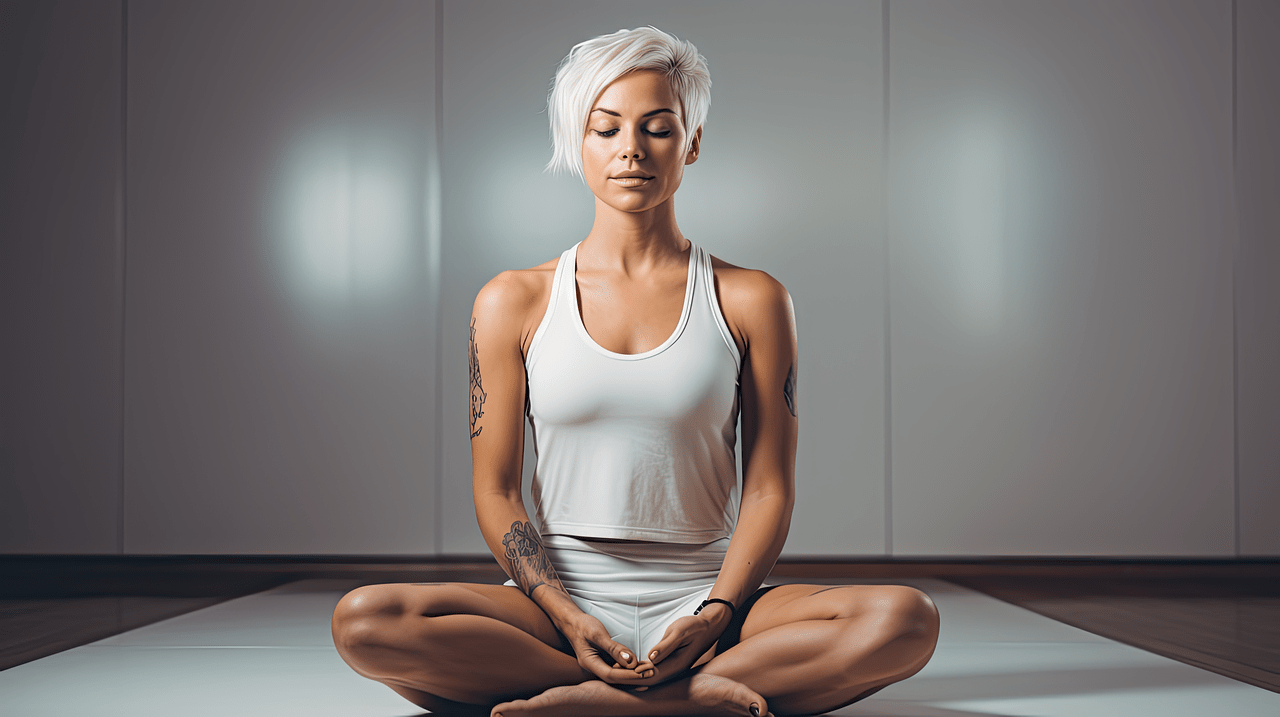
Yoga and Pilates are particularly beneficial for managing stress and anxiety. These mind-body practices combine physical movement with focused breathing and mindfulness. Yoga and Pilates help to calm the mind, improve flexibility and strength, and promote a sense of relaxation. By incorporating these practices into your routine, you can enhance your physical and mental well-being.
Outdoor activities can also be an excellent way to relieve stress and anxiety. Spending time in nature has been shown to have a positive impact on mood and overall mental health. Whether it’s going for a hike, taking a walk in the park, or simply sitting outside and enjoying the fresh air, connecting with nature can help reduce stress levels and promote a sense of calm.
Mindfulness and Meditation
Practicing mindfulness and meditation can significantly reduce stress and anxiety. Deep breathing exercises are a simple yet powerful way to promote relaxation and cultivate mindfulness. By focusing on your breath and taking slow, intentional breaths, you can activate the body’s relaxation response and calm your nervous system.
Guided meditation apps are another helpful tool for managing stress and anxiety. These apps provide guided audio recordings that lead you through meditation practices. They often include soothing music and calming voiceovers, which can help you relax and focus your mind. By incorporating guided meditation into your daily routine, you can develop a greater sense of inner calm and resilience.
Journaling is a creative outlet that can help you process your thoughts and emotions. By writing down your thoughts, feelings, and experiences, you can gain insights into your stress triggers and develop healthier coping mechanisms. Journaling can also serve as a form of self-reflection and self-care, allowing you to prioritize your mental well-being.
Herbal Remedies
Certain herbal remedies have been used for centuries to relieve stress and anxiety. Chamomile tea is known for its calming properties and can help promote relaxation and reduce anxiety. Lavender essential oil has a soothing aroma that can be used in aromatherapy or added to a bath to promote relaxation. Valerian root is often used as a natural remedy for insomnia and can help improve sleep quality.
It’s important to note that while herbal remedies can be beneficial for managing stress and anxiety, they should be used with caution and under the guidance of a healthcare professional. Certain herbs may interact with medications or have side effects, so it’s essential to consult with a healthcare provider before incorporating herbal remedies into your routine.
Aromatherapy
Aromatherapy involves using essential oils to promote relaxation and reduce stress. Lavender oil is one of the most commonly used essential oils for relaxation. It can be diffused in a room or added to a carrier oil for a calming massage. Citrus scents, such as lemon or orange, are uplifting and can help improve mood. Eucalyptus oil has a refreshing aroma and can help clear the mind and promote mental clarity.
Using essential oils in a diffuser can create a calming atmosphere in your home or workspace. The aromatic molecules released by the oils can have a direct impact on the brain and help regulate emotions. By incorporating aromatherapy into your daily routine, you can create a sense of calm and relaxation in your environment.
Social Support
Spending time with loved ones is essential for managing stress and anxiety. Social connections provide a sense of belonging, support, and emotional comfort. Whether it’s meeting a friend for coffee, spending time with family, or participating in group activities, nurturing your relationships can have a positive impact on your mental well-being.
Joining support groups or participating in group therapy can also be beneficial for managing stress and anxiety. These settings provide a safe and supportive environment where you can share your experiences, gain insights from others, and learn coping strategies. Being part of a community that understands and validates your feelings can help reduce feelings of isolation and provide a sense of belonging.
Individual therapy sessions with a qualified mental health professional can also be incredibly helpful in managing stress and anxiety. A therapist can provide guidance and support, help you develop coping strategies, and explore any underlying issues that may contribute to your stress and anxiety. Therapy offers a confidential space where you can openly discuss your concerns and work towards positive change.
Dietary Modifications
Certain dietary modifications can help reduce stress and anxiety. Reducing caffeine intake is one key adjustment to consider. Caffeine is a stimulant that can increase anxiety levels and interfere with sleep. By limiting your intake of coffee, tea, and other caffeinated beverages, you can help promote a greater sense of calm.
Incorporating omega-3 fatty acids into your diet can also be beneficial for managing stress and anxiety. Omega-3 fatty acids are found in foods such as fatty fish (like salmon and trout), walnuts, chia seeds, and flaxseeds. These healthy fats have been shown to reduce inflammation in the body and support brain health, which can have a positive impact on your mood and overall well-being.
Increasing your intake of magnesium-rich foods can also help promote relaxation. Magnesium is a mineral that plays a crucial role in regulating the body’s stress response and promoting a sense of calm. Foods such as leafy green vegetables, nuts, seeds, and whole grains are excellent sources of magnesium and can help support your mental well-being.
Healthy Sleep Habits
Establishing a bedtime routine can greatly improve your sleep quality, which in turn can reduce stress and anxiety. Going to bed and waking up at consistent times each day helps regulate your body’s internal clock and promotes a more restful sleep. Engaging in relaxing activities before bed, such as reading or taking a warm bath, can also signal to your body that it’s time to wind down.
Creating a sleep-friendly environment is also important for promoting quality sleep. Keep your bedroom cool, dark, and quiet to create an optimal sleep environment. Investing in a comfortable mattress and pillows can also contribute to a restful night’s sleep. It’s also important to avoid screens before bed, as the blue light emitted by electronic devices can interfere with your body’s natural sleep-wake cycle.

Natural Supplements
Certain natural supplements can help support your mental well-being and reduce stress and anxiety. Ashwagandha is an adaptogenic herb that has been used for centuries in Ayurvedic medicine. It helps the body adapt to stress and promotes a sense of calm. Rhodiola rosea is another adaptogenic herb that can improve stress resilience and enhance mental performance. L-theanine, an amino acid found in green tea, can promote relaxation without causing drowsiness.
Natural supplements should be used with caution and under the guidance of a healthcare professional. It’s important to ensure that the supplements you take are of high quality and free from contaminants. Consulting with a healthcare provider can help determine the appropriate dosage and ensure that the supplements are safe for you to use.
Limiting Stress Triggers
Setting boundaries is an important step in managing stress and anxiety. Learning to say no and prioritize your own needs can help reduce feelings of overwhelm and prevent burnout. It’s important to establish clear boundaries in your personal and professional life and communicate them effectively to others.
Practicing effective time management can also help reduce stress levels. Prioritize tasks based on their importance and urgency, and break larger projects into smaller, manageable tasks. By using tools such as calendars, to-do lists, and reminders, you can stay organized and reduce the risk of feeling overwhelmed.
Avoiding multitasking is another effective strategy for managing stress. Instead of trying to juggle multiple tasks at once, focus on one task at a time and give it your full attention. By practicing mindful awareness and being fully present in your activities, you can reduce stress and improve your overall productivity.

Spending Time in Nature
Spending time in nature has been shown to have numerous benefits for mental health and well-being. Forest bathing, or simply being in the presence of trees, can help reduce stress, lower blood pressure, and improve mood. Taking a walk in the park, hiking in the woods, or simply sitting outside and enjoying your surroundings can have a calming effect on the mind and body.
Gardening is another excellent way to connect with nature and reduce stress and anxiety. The act of nurturing plants and seeing them grow can be incredibly rewarding and therapeutic. Gardening also provides an opportunity to spend time outdoors, engage in physical activity, and enjoy the beauty of nature.
Beach walks offer the added benefit of being near the water, which has a calming effect on the mind. The sound of waves, the fresh air, and the sensation of sand beneath your feet can help promote relaxation and reduce stress levels. Whether it’s a stroll along the shoreline or a leisurely walk on the beach, spending time by the ocean can be incredibly soothing.
In conclusion, there are many natural ways to relieve stress and anxiety. By incorporating exercise and physical activity, practicing mindfulness and meditation, exploring herbal remedies and aromatherapy, seeking social support, making dietary modifications, prioritizing healthy sleep habits, considering natural supplements, limiting stress triggers, and spending time in nature, you can proactively manage your stress and improve your overall well-being. It’s important to find the strategies that work best for you and make them a consistent part of your routine. By prioritizing your mental health and implementing these natural approaches, you can reduce stress and anxiety and achieve a greater sense of calm and balance in your life.