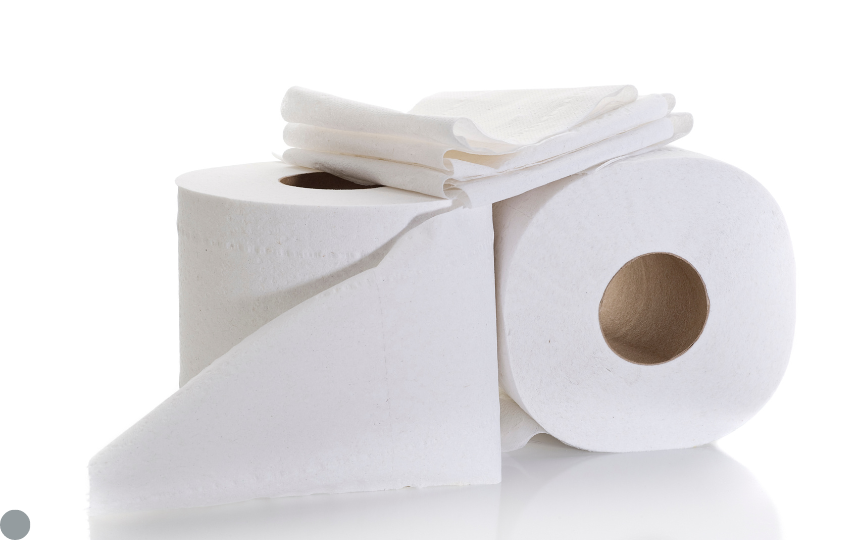
Toilet paper is a ubiquitous household item that most of us take for granted. It’s a staple in bathrooms around the world, but few of us pause to consider its impact on our health and the environment. This seemingly innocuous product harbors hidden hazards that can affect our well-being and contribute to environmental degradation. In this comprehensive article, we’ll delve into the unexpected dangers of toilet paper, explore healthier and more sustainable alternatives, and provide practical tips for making informed choices.

The Environmental Impact of Toilet Paper
Deforestation and Habitat Destruction
One of the most significant environmental issues associated with toilet paper is deforestation. The production of conventional toilet paper often involves cutting down vast expanses of forest, particularly in boreal regions like Canada and Russia, as well as tropical rainforests. These forests are home to diverse ecosystems and endangered species, and their destruction has far-reaching consequences.
The Scale of Deforestation
Each year, millions of trees are felled to produce toilet paper. According to the Natural Resources Defense Council (NRDC), the U.S. alone consumes approximately 36.5 billion rolls of toilet paper annually, which requires around 15 million trees. This massive demand not only contributes to deforestation but also results in the loss of critical wildlife habitats.
Impact on Climate Change
Forests play a crucial role in regulating the Earth’s climate by absorbing carbon dioxide and producing oxygen. When trees are cut down for toilet paper production, the stored carbon is released back into the atmosphere, exacerbating climate change. The carbon footprint of toilet paper is significant, with the entire lifecycle—from tree felling to disposal—contributing to greenhouse gas emissions.
Health Risks of Conventional Toilet Paper
Chemical Contaminants and Allergens
Most conventional toilet paper is treated with a variety of chemicals during the manufacturing process. These chemicals can pose health risks, particularly to those with sensitive skin or allergies.
Chlorine Bleaching
One of the primary concerns is the use of chlorine-based bleach to whiten the paper. This process can create harmful byproducts called dioxins and furans, which are toxic and potentially carcinogenic. Even in trace amounts, these chemicals can accumulate in the body over time, posing long-term health risks.
Formaldehyde and Other Additives
Some toilet papers contain formaldehyde, a known carcinogen, to improve wet strength. Additionally, fragrances, dyes, and other additives used to enhance the product can cause skin irritation, allergic reactions, and other health issues.
Microplastic Pollution
Recent studies have revealed that toilet paper can be a source of microplastic pollution. During production, small plastic fibers from recycled content or manufacturing processes can contaminate the final product. When flushed, these microplastics can enter waterways, contributing to the growing problem of plastic pollution in our oceans and drinking water.
Sustainable and Healthier Alternatives
Bamboo and Recycled Toilet Paper
Opting for bamboo or recycled toilet paper can significantly reduce the environmental impact and health risks associated with conventional products.
Bamboo Toilet Paper
Bamboo is a highly sustainable resource that grows rapidly and requires minimal water and pesticides. Bamboo toilet paper is biodegradable, soft, and strong, making it an excellent eco-friendly alternative. Its production has a much lower carbon footprint compared to traditional toilet paper.
Recycled Toilet Paper
Recycled toilet paper is made from post-consumer waste, such as office paper and cardboard, reducing the demand for virgin wood pulp. It saves trees, conserves water, and reduces energy consumption. Look for products labeled as “100% recycled” and free from chlorine bleaching to ensure the healthiest choice.

Bidets and Washlets
Another effective way to minimize toilet paper use is by adopting bidets or washlets. These devices use water to clean, reducing or eliminating the need for toilet paper. Bidets offer several benefits:
Hygiene and Comfort
Using water for cleaning is more effective and gentle on the skin than wiping with paper. It can reduce the risk of irritation, hemorrhoids, and other discomforts associated with excessive wiping.
Environmental Benefits
Bidets significantly cut down on toilet paper consumption, leading to fewer trees being felled and less waste being produced. Over time, this can contribute to substantial environmental savings.
Practical Tips for Making the Switch
Choosing Eco-Friendly Brands
When purchasing toilet paper, look for brands that prioritize sustainability and health. Consider the following criteria:
Certification Labels
Seek products with certifications such as the Forest Stewardship Council (FSC) or Rainforest Alliance, which ensure responsible sourcing and environmentally friendly practices.
Chlorine-Free Options
Opt for toilet paper labeled as “chlorine-free” or “processed chlorine-free” to avoid harmful chemical residues.
Gradual Transition
Switching to more sustainable alternatives can be a gradual process. Start by incorporating bamboo or recycled toilet paper into your routine and consider installing a bidet for a more comprehensive approach.
Toilet paper, a seemingly simple and essential item, carries hidden hazards that can impact both our health and the environment. By understanding these risks and making informed choices, we can mitigate the negative effects and contribute to a healthier planet. Whether through opting for eco-friendly toilet paper, reducing usage with bidets, or supporting sustainable brands, each small step can lead to significant positive changes. Embrace the journey towards a more sustainable and health-conscious bathroom routine.