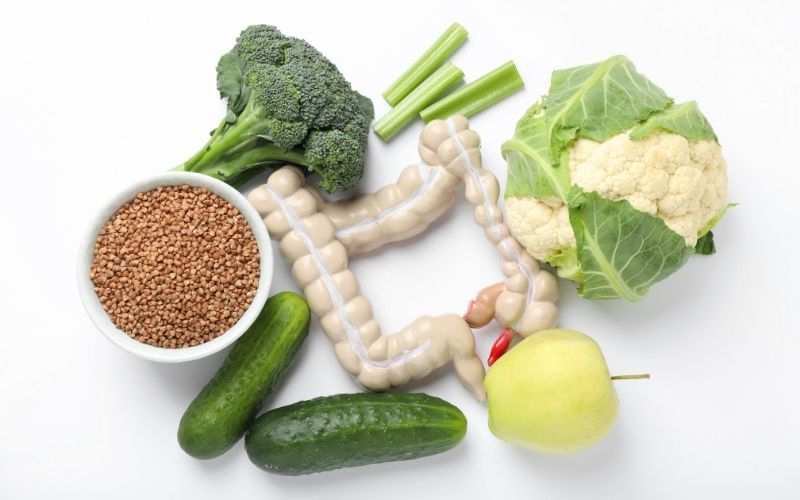
In today’s health-conscious society, understanding the intricate interplay between gut health, digestion, immune support, and natural detoxification is paramount for overall well-being. A holistic approach to health emphasizes nurturing a balanced gut microbiome through dietary modifications and probiotics, optimizing digestion through mindful eating practices and digestive aids, bolstering immune support with nutrient-rich foods and lifestyle habits, and facilitating natural detoxification through hydration, exercise, and stress reduction. By embracing these interconnected aspects of wellness, individuals can proactively enhance their vitality and resilience, fostering a harmonious relationship between mind, body, and environment for long-term health benefits. In this article, we will explore a variety of superfoods that have been proven to help improve digestive health, providing you with a comprehensive guide to optimizing your well-being. In today’s health-conscious society, maintaining a healthy digestive system is essential for overall well-being. The gut plays a crucial role in supporting digestion, immune function, and detoxification processes. To promote optimal digestive health, incorporating superfoods into your diet can be highly beneficial. Superfoods are packed with essential nutrients, antioxidants, and fiber that help improve gut health and support overall wellness. Let’s explore some of the top superfoods that can help improve digestive health.
Blueberries
Blueberries are not only delicious but also incredibly nutritious. These small berries are rich in antioxidants, fiber, and vitamins. They contain a type of fiber called pectin, which acts as a prebiotic and nourishes the beneficial gut bacteria. Blueberries also have anti-inflammatory properties, which can reduce inflammation in the gut and promote better digestion. Including blueberries in your diet can support a healthy gut microbiome and improve digestive health.
Raspberries
Another superfood that is great for digestive health is raspberries. These berries are high in fiber, which helps regulate bowel movements and prevents constipation. Raspberries also contain polyphenols, which have antioxidant and anti-inflammatory effects. These compounds support a healthy gut environment and reduce the risk of digestive disorders. Adding raspberries to your diet can contribute to better digestion and overall gut health.
Strawberries
Strawberries are not only sweet and juicy but also a fantastic source of nutrients. They are packed with fiber, vitamins, and antioxidants that promote good digestive health. The high fiber content in strawberries aids in regular bowel movements and prevents constipation. Additionally, strawberries contain ellagic acid, a compound that has been shown to protect the digestive system from inflammation and damage. Including strawberries in your diet can support a healthy gut and improve digestive function.
Spinach
Leafy green vegetables like spinach are excellent for digestive health. Spinach is loaded with fiber and water, both of which aid in digestion and prevent constipation. It also contains magnesium, a mineral that helps relax the intestinal muscles and regulate bowel movements. The fiber in spinach acts as fuel for the beneficial gut bacteria, promoting a healthy gut microbiome. Adding spinach to your meals can contribute to better digestion and overall gut health.
Kale
Kale is another leafy green vegetable that offers numerous benefits for digestive health. It is rich in fiber, which supports regular bowel movements and prevents constipation. Kale is also an excellent source of vitamins A and C, both of which are important for maintaining a healthy digestive system. Additionally, kale contains sulfur compounds that support detoxification processes in the liver. Adding kale to your diet can help improve digestion and promote a healthy gut environment.
Swiss Chard
Swiss chard is a nutrient-packed leafy green vegetable that can benefit digestive health. It is high in fiber, which supports regular bowel movements and prevents constipation. Swiss chard also contains antioxidants and phytonutrients that help reduce inflammation in the digestive system. These compounds protect against digestive disorders and promote better gut health. Including Swiss chard in your diet can contribute to improved digestion and overall gastrointestinal well-being.
Greek Yogurt
Yogurt, especially the Greek variety, is an excellent source of probiotics, which are beneficial bacteria that support a healthy gut. Probiotics help balance the gut microbiome, aid in digestion, and strengthen the immune system. Greek yogurt also contains protein, calcium, and B vitamins that are essential for overall digestive health. Including Greek yogurt in your diet can promote a healthy gut microbiome and improve digestion.
Sauerkraut
Sauerkraut is a fermented food made from cabbage that is rich in probiotics. Fermented foods undergo a natural fermentation process that enhances their nutritional value and promotes the growth of beneficial bacteria. The probiotics in sauerkraut help improve gut health, support digestion, and boost the immune system. Additionally, sauerkraut contains fiber, which aids in bowel regularity and promotes a healthy digestive system. Adding sauerkraut to your meals can provide your gut with beneficial probiotics and improve digestive function.
Kimchi
Kimchi, a traditional Korean dish made from fermented vegetables, is another excellent source of probiotics. It typically consists of cabbage, radishes, and other vegetables that undergo fermentation with spices and seasonings. Kimchi contains a diverse range of probiotic strains that promote gut health and support digestion. It also contains vitamins, minerals, and antioxidants that contribute to overall well-being. Incorporating kimchi into your diet can help improve gut health, aid digestion, and enhance your immune system.
Benefits of Ginger
Ginger has been used for centuries to aid digestion and soothe various digestive issues. It contains compounds called gingerols and shogaols, which have anti-inflammatory and antioxidant properties. Ginger can help relieve nausea, reduce bloating, and improve overall digestion. It stimulates the production of digestive enzymes, enhances nutrient absorption, and soothes the gastrointestinal tract. Incorporating ginger into your diet can help alleviate digestive discomfort and promote better digestive health.
Ways to Incorporate Ginger into Your Diet
There are several ways to incorporate ginger into your diet and enjoy its digestive benefits. You can add freshly grated ginger to your favorite smoothies or juices for a refreshing and digestion-friendly boost. Ginger can also be used in cooking, adding a hint of warmth and flavor to dishes. Drinking ginger tea or infusing your water with ginger slices is another simple way to enjoy its digestive benefits. Incorporating ginger into your diet can help support healthy digestion and improve gastrointestinal well-being.
Quinoa
Quinoa is a versatile and nutritious whole grain that can benefit digestive health. It is rich in fiber, which aids in digestion, regulates bowel movements, and promotes a healthy gut environment. Quinoa also contains protein, vitamins, and minerals that support overall digestive function. Additionally, it is gluten-free, making it a suitable option for individuals with gluten sensitivity or celiac disease. Including quinoa in your meals can provide your body with essential nutrients and promote better digestive health.
Brown Rice
Brown rice is another whole grain that offers numerous benefits for digestive health. It is packed with fiber, vitamins, and minerals that support digestion and overall gut health. Brown rice contains a type of fiber called resistant starch, which acts as food for the beneficial gut bacteria. This promotes a healthy gut microbiome and improves digestion. Additionally, brown rice is easier to digest compared to white rice, as it retains the bran and germ layers. Adding brown rice to your diet can contribute to better digestion and enhanced gastrointestinal well-being.
Oats
Oats are a popular breakfast option that can help improve digestive health. They are high in soluble fiber, which forms a gel-like substance in the gut and aids in digestion. Soluble fiber adds bulk to the stool, making it easier to pass and preventing constipation. Oats also contain antioxidants and vitamins that support overall digestive function. Additionally, oats are gluten-free, making them suitable for individuals with gluten intolerance. Including oats in your diet can promote better digestion and support a healthy gut.
Beans
Beans are a highly nutritious and fiber-rich food that can benefit digestive health. They are packed with soluble and insoluble fiber, both of which play a crucial role in maintaining regular bowel movements and preventing constipation. Beans also contain resistant starch, a type of fiber that acts as a prebiotic and supports the growth of beneficial gut bacteria. This promotes a healthy gut microbiome and improves overall digestion. Incorporating beans into your diet can help regulate bowel movements and contribute to better digestive health.
Lentils
Lentils are another legume that offers numerous benefits for digestive health. They are rich in fiber, protein, and essential nutrients that support overall digestive function. Lentils contain both soluble and insoluble fiber, which aid in digestion, regulate bowel movements, and promote a healthy gut environment. They also provide a good source of plant-based protein, which is important for muscle repair and overall gastrointestinal well-being. Adding lentils to your meals can promote better digestion and improve overall gut health.
Chickpeas
Chickpeas, also known as garbanzo beans, are an excellent source of fiber and plant-based protein. They contain a combination of soluble and insoluble fiber that supports digestion, regulates bowel movements, and nourishes beneficial gut bacteria. Chickpeas are also rich in vitamins, minerals, and antioxidants that contribute to overall digestive health. They can be incorporated into various dishes, such as salads, soups, and stews, to enhance their nutritional value and promote better gut health.
What Are Probiotics?
Probiotics are live microorganisms that provide health benefits when consumed in adequate amounts. These beneficial bacteria help maintain a healthy gut microbiome, support digestion, and enhance the immune system. Probiotics can be found naturally in certain fermented foods or taken as supplements. They are especially beneficial for individuals with digestive disorders or those who have taken antibiotics, which can disrupt the balance of gut bacteria. Incorporating probiotics into your diet can promote a healthy gut microbiome and improve overall digestive health.
Types of Probiotic-Rich Foods
There are various types of probiotic-rich foods that you can include in your diet to support digestive health. Fermented foods like yogurt, sauerkraut, and kimchi are excellent sources of probiotics. Kefir, a fermented milk drink, and kombucha, a fermented tea, also contain beneficial bacteria. Additionally, some types of cheese, such as aged cheese and gouda, can provide probiotic benefits. When choosing probiotic-rich foods, opt for varieties that contain live and active cultures to ensure maximum probiotic content and efficacy.
Nutritional Profile of Chia Seeds
Chia seeds are tiny but mighty when it comes to nutrition. They are packed with fiber, omega-3 fatty acids, antioxidants, and essential minerals. The high fiber content in chia seeds supports digestion, regulates bowel movements, and promotes a healthy gut. Omega-3 fatty acids have anti-inflammatory properties that can reduce inflammation in the gut and improve overall digestive health. Chia seeds also provide a good source of plant-based protein, which is important for muscle repair and overall gastrointestinal well-being.
How to Enjoy Chia Seeds
Chia seeds can be easily incorporated into a variety of dishes to enjoy their nutritional benefits. They can be added to smoothies, oatmeal, yogurt, or even used as an egg substitute in baking. When mixed with liquid, chia seeds absorb the liquid and form a gel-like consistency, which can be used to make chia pudding or as a thickening agent in recipes. Additionally, chia seeds can be sprinkled on top of salads, soups, or stir-fries to add a crunchy texture and boost their nutritional value. Adding chia seeds to your diet can provide your body with essential nutrients and contribute to better digestive health.

Benefits of Bone Broth
Bone broth is a nutrient-dense liquid that is made by simmering animal bones and connective tissue for an extended period. It is rich in collagen, gelatin, amino acids, and minerals that are beneficial for digestive health. Bone broth is known for its gut-healing properties, as it helps repair and seal the intestinal lining. It also contains glucosamine and chondroitin, which support joint health and reduce inflammation in the gut. Regular consumption of bone broth can optimize digestion, promote a healthy gut environment, and support overall digestive wellness.
How to Make Bone Broth
Making bone broth at home is relatively simple and allows you to control the quality of ingredients. Start by selecting high-quality bones, such as grass-fed beef bones or organic poultry bones. Place the bones in a large pot and add enough water to cover them. Add chopped vegetables like onions, carrots, and celery, along with herbs and spices of your choice. Simmer the mixture on low heat for several hours, allowing the bones to release their nutrients and flavors into the broth. Strain the broth, discard the bones and vegetables, and store the broth in the refrigerator or freezer for later use. Incorporating homemade bone broth into your diet can provide numerous benefits for digestive health and overall well-being.
Digestive Benefits of Peppermint
Peppermint has long been known for its digestive benefits. It contains menthol, a compound that helps relax the muscles of the gastrointestinal tract and reduce symptoms of indigestion, bloating, and gas. Peppermint has anti-inflammatory and analgesic properties, which can soothe the digestive system and alleviate discomfort. It also acts as a natural antispasmodic, preventing muscle spasms in the intestines and promoting smooth digestion. Incorporating peppermint into your diet or using peppermint oil as a supplement can provide relief from digestive issues and support overall gastrointestinal well-being.
Ways to Incorporate Peppermint into Your Diet
There are several ways to incorporate peppermint into your diet and enjoy its digestive benefits. Drinking peppermint tea is a simple and effective way to soothe the digestive system and alleviate symptoms of indigestion or bloating. Adding fresh or dried peppermint leaves to your favorite recipes, such as salads, smoothies, or desserts, can provide a refreshing and digestion-friendly flavor. Peppermint oil capsules or supplements can also be taken to support digestive health. When using peppermint oil, it is important to consult with a healthcare professional or follow the recommended dosage instructions. Incorporating peppermint into your diet can help soothe the digestive system and promote better overall gut health.
By incorporating these superfoods into your diet, you can make significant improvements in your digestive health. These nutrient-dense foods provide essential vitamins, minerals, fiber, and antioxidants that support a healthy gut microbiome, aid digestion, and enhance overall gastrointestinal well-being. Whether you choose to enjoy blueberries, leafy green vegetables, yogurt, ginger, whole grains, legumes, probiotics, chia seeds, bone broth, or peppermint, each superfood offers unique benefits for digestive health. Embracing a holistic approach to wellness and nurturing your gut through dietary modifications can result in long-term health benefits and a harmonious relationship between mind, body, and environment. So, start incorporating these superfoods into your daily meals and experience the transformation in your digestive health.