Maintaining proper hydration levels during exercise is crucial for optimal performance and overall health. Dehydration can lead to decreased energy levels, impaired cognitive function, and increased risk of heat-related illnesses. In today’s health-conscious society, understanding the importance of staying hydrated while exercising is paramount. This article will explore effective ways to ensure adequate hydration during physical activity, including the benefits of water, electrolyte replenishment, and strategies for staying hydrated without relying solely on water. By implementing these strategies, you can optimize your workouts and support your body’s physiological processes, promoting overall well-being.
Importance of Hydration During Exercise
Staying properly hydrated while exercising is crucial for maintaining optimal performance and preventing potential health risks. Dehydration can lead to decreased endurance, impaired cognitive function, muscle cramps, and even heatstroke. Understanding the importance of hydration and implementing effective strategies can significantly enhance your exercise experience and overall well-being.
Understanding Dehydration
Dehydration occurs when your body loses more fluids than it takes in. During exercise, your body sweats to cool down, leading to fluid and electrolyte loss. If this fluid loss is not adequately replenished, dehydration can occur. Signs of dehydration include increased thirst, dry mouth, fatigue, decreased urine output, dizziness, and confusion. It is essential to recognize these symptoms early on to prevent further complications.
Determining Your Hydration Needs
The amount of fluid you need to consume during exercise varies based on factors such as intensity, duration, weather conditions, and individual sweat rates. To determine your hydration needs, it is crucial to weigh yourself before and after prolonged exercise sessions. For every pound lost, aim to consume 16 to 24 ounces of fluid to replenish your body adequately. Monitoring your hydration levels in this manner can help you develop personalized hydration strategies.
Pre-Exercise Hydration Strategies
To ensure optimal hydration, it is recommended to start your exercise session in a well-hydrated state. Pre-exercise hydration strategies involve consuming fluids before your workout to offset any initial fluid loss. Aim to drink approximately 16 to 20 ounces of fluid 4 hours before exercise and an additional 8 to 10 ounces of fluid 10 to 20 minutes before starting your workout. This approach allows your body to start off on the right foot, promoting better performance and reducing dehydration risk.
During-Exercise Hydration Techniques
Maintaining hydration during exercise is equally important. Consuming fluids at regular intervals can help replace the fluids lost through sweating and prevent dehydration. A general guideline is to drink 7 to 10 ounces of fluid every 10 to 20 minutes during moderate-intensity exercise. For activities lasting longer than one hour or in high heat conditions, consider consuming sports drinks that provide electrolytes to maintain optimal fluid balance.
Hydration for Endurance Activities
For endurance activities, such as long-distance running or cycling, maintaining hydration is crucial for sustaining performance and preventing fatigue. During these activities, aim to consume approximately 30 to 60 grams of carbohydrates per hour, along with sufficient fluid intake. Sports drinks or electrolyte-enhanced beverages can be beneficial to replenish electrolytes lost through sweat.
Hydration for High-Intensity Interval Training (HIIT)
High-intensity interval training (HIIT) typically involves short bursts of intense exercise alternated with brief rest periods. Due to the high intensity and shorter duration, hydration needs may be slightly different. It is essential to drink fluids before and after your HIIT session, focusing on rehydration during your recovery periods. Sip on water or electrolyte-rich beverages during rest intervals to replenish fluids and electrolytes.
Hydration for Strength Training
While strength training may not result in as much fluid loss as endurance or HIIT workouts, maintaining hydration is still vital for optimal performance. Aim to drink water or electrolyte-enhanced beverages between sets or exercises to stay hydrated. Additionally, be mindful of sweating during intense strength training sessions and adjust your fluid intake accordingly.
Hydration for Outdoor Activities
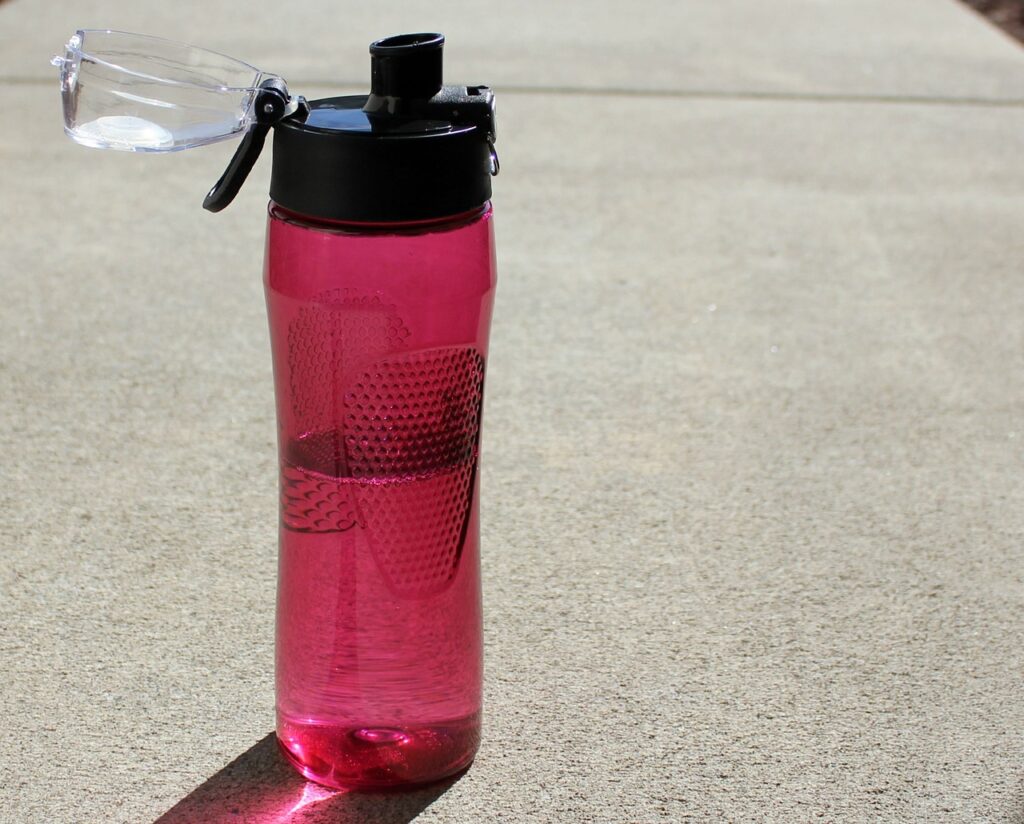
When exercising outdoors, especially in hot and humid conditions, the risk of dehydration increases. The combination of elevated temperatures, increased sweat rates, and extended exposure to the sun can accelerate fluid loss. Stay ahead of dehydration by consuming fluids before, during, and after outdoor activities. Wear lightweight, breathable clothing, and consider carrying a water bottle or hydration pack to ensure continuous access to fluids.
Hydration for Hot Weather Exercise
Exercising in hot weather poses additional challenges to hydration. The intensity of the exercise, high ambient temperature, and humidity can all contribute to increased fluid loss through sweating. In these conditions, it is vital to increase fluid intake before, during, and after exercise. Consider incorporating electrolyte-rich sports drinks or coconut water to replenish not only fluids but also crucial electrolytes like sodium and potassium.
Choosing the Right Fluids
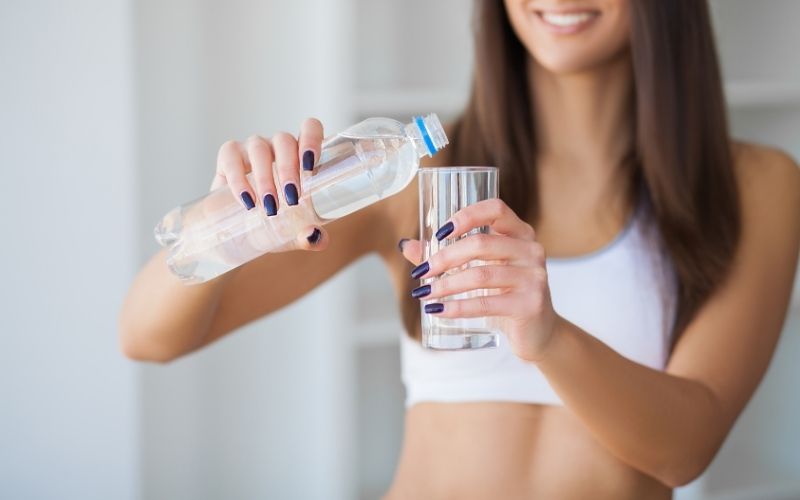
Choosing the right fluids to stay hydrated is essential. Water is an excellent choice, as it is readily available and generally sufficient for shorter-duration exercise. However, for prolonged or intense activities, sports drinks can be beneficial due to their electrolyte content. These beverages help replenish electrolytes lost through sweat and provide carbohydrates for energy. It is important to read labels and choose drinks that contain an appropriate balance of electrolytes and avoid excessive sugar or caffeine content.
Hydrating Foods to Incorporate
In addition to drinking fluids, incorporating hydrating foods into your diet can enhance your overall hydration status. Fruits and vegetables with high water content, such as watermelon, cucumbers, oranges, and strawberries, can contribute to your daily fluid intake. Soups, broths, and smoothies are also excellent options to increase hydration. Including these hydrating foods in your meals or as pre- and post-workout snacks can help boost your hydration levels.
Monitoring Your Hydration Levels
Monitoring your hydration levels is crucial to ensure you meet your fluid intake goals. Keep track of your weight before and after exercise to gauge any fluid loss. Pay attention to the color of your urine as well; pale yellow urine indicates good hydration, while dark yellow urine is a sign of dehydration. If you find it challenging to maintain proper hydration, consider using smartphone apps or wearable fitness trackers that can help monitor your fluid intake and remind you to drink water regularly.
Water vs. Sports Drinks
The choice between water and sports drinks depends on the duration and intensity of your exercise. For shorter, low-intensity workouts, water is generally sufficient. However, for activities lasting longer than one hour or in hot conditions, sports drinks can provide additional benefits. Sports drinks contain electrolytes that help replace those lost through sweat and carbohydrates that provide energy during prolonged exercise. It is essential to be mindful of the sugar content in sports drinks and choose low-sugar or sugar-free options whenever possible.
Hydration Tips for Different Types of Exercise
Different types of exercise require specific hydration strategies to optimize performance and maintain hydration levels throughout the activity.
Hydration for Endurance Activities
Endurance activities, such as marathons or long cycling sessions, can significantly increase fluid loss. To stay hydrated during these activities, aim to consume fluids regularly, preferably at consistent time intervals. Choose sports drinks or electrolyte-enhanced beverages to replace both fluids and electrolytes lost through sweat. It is essential to practice your hydration strategy during training to understand your individual needs and prevent any potential gastrointestinal issues on race day.
Hydration for High-Intensity Interval Training (HIIT)
HIIT workouts often involve short bursts of intense exercise, followed by short rest periods. Due to the high intensity, it is essential to stay hydrated during these workouts. Sip on water or electrolyte-rich beverages during rest intervals to replenish fluids. Be mindful of your fluid intake and avoid drinking large amounts of water immediately before or during the intense exercise periods to minimize discomfort.
Hydration for Strength Training
While fluid loss may not be as significant during strength training sessions, it is still important to maintain proper hydration. Drink water or electrolyte-enhanced beverages between sets or exercises to stay hydrated. Be cautious of excessive caffeine or sugary energy drinks, as they may have diuretic effects and cause more fluid loss.
Hydration for Outdoor Activities
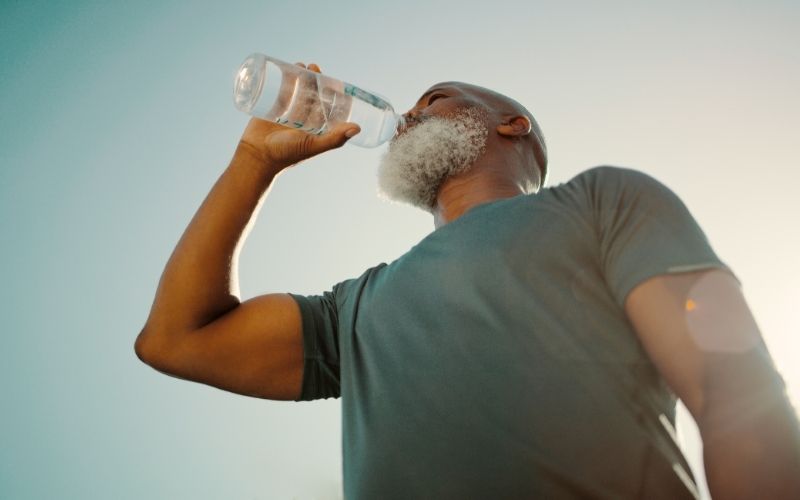
When exercising outdoors, especially in hot and humid conditions, the risk of dehydration increases. Start hydrating well before your activity, and continue drinking fluids throughout the exercise session. Carry a water bottle or hydration pack to ensure easy access to fluids. Protect yourself from the sun, wear lightweight, breathable clothing, and consider incorporating a hat or visor to reduce heat exposure.
Hydration for Hot Weather Exercise
Exercising in hot weather requires extra attention to hydration. Prioritize pre-hydration by drinking water or sports drinks before your exercise session. During the activity, consume fluids regularly to replace the fluids lost through sweat. This is crucial to prevent heat-related illnesses and maintain optimal performance. If you are exercising for an extended duration, plan for fluid and electrolyte replacement strategies, such as consuming sports drinks or electrolyte tablets, to replenish key electrolytes lost through sweat.
In conclusion, staying hydrated during exercise is essential for optimal performance, preventing dehydration, and reducing the risk of associated health issues. Understanding your individual hydration needs, implementing effective hydration strategies, and choosing the right fluids and foods can significantly enhance your exercise experience. Whether you are engaging in endurance activities, high-intensity workouts, strength training, or outdoor exercise, prioritizing hydration will help you attain your fitness goals safely and efficiently. Stay mindful of your body’s hydration levels, listen to its signals, and make hydration a priority in every exercise session.