Understanding the connection between mental health and spending time in nature is crucial in our modern society. In today’s fast-paced world, where stress and anxiety are prevalent, the value of immersing oneself in the natural environment cannot be overstated. Research has shown that spending time outdoors, whether it be through activities such as hiking, gardening, or simply taking a leisurely stroll, can have profound positive effects on our mental well-being. From reducing symptoms of depression and anxiety to improving cognitive function and promoting overall feelings of calm and relaxation, the mental health benefits of spending time in nature are undeniable. In this article, we will delve into the scientific evidence supporting these claims and explore the various ways in which nature can positively impact our mental state, providing a compelling case for incorporating regular outdoor activities into our lives.
Reduced Stress and Anxiety
Spending time in nature has been found to have a powerful impact on reducing stress and anxiety. The connection with nature allows for a break from the hustle and bustle of daily life, providing individuals with a sense of tranquility and calm. The sights, sounds, and smells of the natural environment can evoke a feeling of peace, helping to lower stress levels and promote relaxation.
Studies have shown that being in nature can lead to a decrease in stress hormones such as cortisol. Cortisol is often referred to as the body’s stress hormone, and chronically high levels can have detrimental effects on both physical and mental health. Spending time in nature can help to lower cortisol levels, which in turn reduces stress and anxiety.
Moreover, the promotion of relaxation that comes with being in nature can have a direct impact on mood. Nature has been shown to improve mood and increase feelings of happiness and positivity. The serene environment, free from the demands and pressures of daily life, allows individuals to let go of worries and focus on the present moment. This can lead to a significant improvement in overall well-being.
Enhanced Cognitive Function
In addition to its benefits for mental health, spending time in nature has shown to enhance cognitive function. One of the primary ways in which nature boosts cognitive function is through improved attention and focus.
Research has found that exposure to natural environments, even for just a short period of time, can improve attention span and increase focus. The calming effect of nature reduces mental fatigue caused by prolonged concentration, allowing individuals to maintain focus for longer periods of time. This can be particularly beneficial for those who struggle with attention disorders or have demanding cognitive tasks to complete.
Furthermore, spending time in nature has been linked to increased creativity. Nature’s beauty and tranquility provide a fertile ground for creative thinking. The peaceful surroundings and absence of distractions allow the mind to wander and explore new ideas, leading to enhanced creative problem-solving skills.
Nature also has a positive impact on memory and learning. Research has shown that exposure to natural environments can boost memory retention and improve the ability to learn. This can be especially advantageous for students or individuals who need to retain and assimilate information.

Alleviation of Depression
Nature has the power to alleviate symptoms of depression and improve overall mood. Spending time in nature is often linked to the release of “feel-good” chemicals in the brain, such as endorphins and serotonin. These chemicals play a crucial role in regulating mood and are often lacking in individuals with depression.
Moreover, being in nature can reduce rumination, which is a common symptom of depression. Rumination is the repetitive and intrusive thinking about negative experiences or emotions. By immersing oneself in the beauty of nature, individuals can break free from negative thought patterns and gain a new perspective on life.
Spending time in nature can also enhance self-worth and boost positive emotions. Accomplishing outdoor activities or simply taking in the beauty of nature can instill a sense of achievement and pride, leading to an improved sense of self-esteem. Additionally, nature’s serene and awe-inspiring qualities can evoke feelings of gratitude, joy, and awe, further enhancing overall emotional well-being.
Strengthened Immune System
Spending time in nature has been shown to strengthen the immune system, leading to better overall health. One way in which nature boosts immune function is by increasing natural killer cells. Natural killer cells are a crucial part of the immune system’s defense against viruses and cancer cells. Spending time in nature can stimulate the production and activity of these cells, providing the body with a stronger defense mechanism.
Additionally, exposure to natural environments has been found to enhance the immune response, making the body more efficient at fighting off pathogens and infections. Nature’s diversity, with its wide array of plants, trees, and microorganisms, can expose individuals to beneficial microbes that support immune health.
Furthermore, spending time in nature can lower inflammation in the body. Chronic inflammation is known to contribute to a variety of health conditions, including autoimmune diseases, heart disease, and depression. By reducing inflammation, nature can help promote overall well-being and reduce the risk of chronic diseases.
Finally, spending time in nature can improve sleep quality, which is essential for a healthy immune system. The peaceful and calming environment of nature promotes relaxation and can help regulate the body’s circadian rhythm, leading to more restful and rejuvenating sleep.

Increased Physical Activity
One of the significant benefits of spending time in nature is the increased opportunity for physical activity. Engaging in outdoor exercise not only provides numerous health benefits but also allows individuals to connect with nature on a deeper level.
Nature offers a wide range of exercise opportunities, from hiking and cycling to swimming and rock climbing. Outdoor activities provide a change of scenery and a sense of adventure, making exercise more enjoyable and motivating. This can lead to greater adherence to a regular exercise routine.
Moreover, nature-based activities often provide a variety of workout options. The uneven terrain, unpredictable challenges, and natural obstacles require the engagement of different muscle groups and promote overall fitness. This variety can prevent exercise monotony and enhance physical performance.
Regular physical activity in nature has been associated with improved cardiovascular health. Outdoor exercise, with its fresh air and natural surroundings, contributes to lower blood pressure, decreased risk of heart disease, and improved overall cardiovascular function. Engaging in physical activity in nature can lead to better endurance, strength, and overall fitness levels.
Improved Sleep Patterns
Spending time in nature can have a positive impact on sleep patterns and overall sleep quality. Nature’s influence on sleep can be attributed to several factors.
Firstly, exposure to natural light and the stimulation of the body’s natural circadian rhythm can help regulate sleep-wake cycles. The natural light-dark cycle of the environment helps to synchronize the body’s internal clock, leading to a more consistent sleep routine. This can be particularly helpful for individuals who struggle with insomnia or irregular sleep patterns.
Additionally, spending time in nature can reduce symptoms of insomnia. The calming and tranquil environment of nature promotes relaxation and alleviates stress, which are common contributors to sleep difficulties. By providing a peaceful and soothing atmosphere, nature can help individuals fall asleep faster and experience more restorative sleep.
Furthermore, spending time in nature can enhance deep sleep, which is essential for physical and mental restoration. Deep sleep is the stage of sleep during which the body repairs and rejuvenates itself. Nature’s ability to promote relaxation and reduce stress can facilitate the transition into deep sleep and improve the quality of rest obtained during the night.
Boosted Self-Esteem and Confidence
Nature has the ability to boost self-esteem and confidence through various mechanisms. Exposure to natural beauty can evoke a sense of awe and wonder, instilling a feeling of being a part of something greater than oneself. This connection with the natural world can increase self-awareness and a sense of purpose, leading to improved self-esteem.
Spending time in nature also provides numerous opportunities for personal growth and challenge. Engaging in outdoor activities that push one’s limits and require perseverance and resilience can build confidence and self-assurance. Overcoming physical or mental barriers in nature can translate into increased self-belief and a heightened sense of capability.
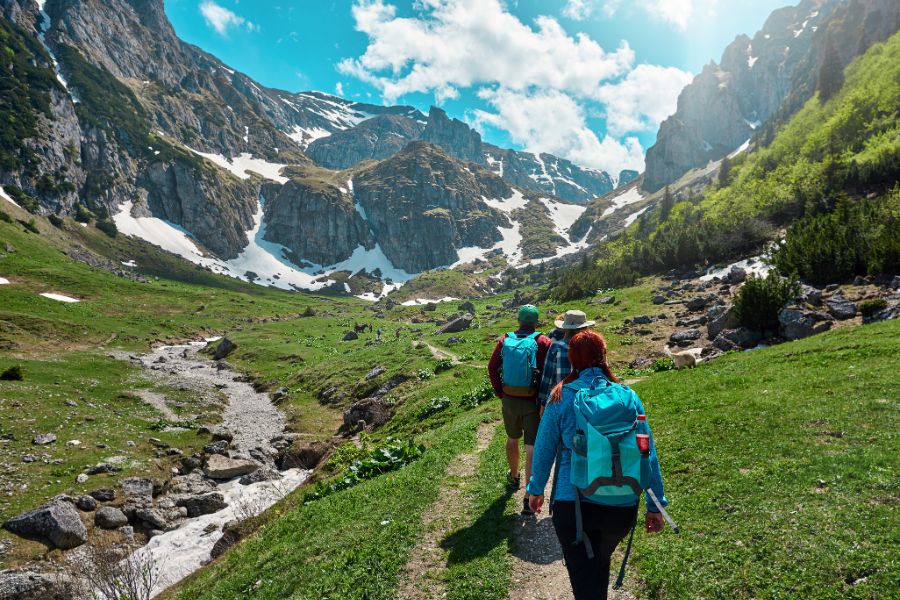
Furthermore, success in outdoor activities can contribute to a sense of accomplishment. Whether it is reaching the summit of a mountain, completing a challenging hike, or simply conquering a fear, nature provides countless opportunities for achievements. These accomplishments can have a profound impact on self-esteem, fostering a positive self-image and an enhanced sense of worth.
Finally, the serenity and solitude found in nature can offer a safe space for introspection and self-reflection. This self-reflection can lead to a deeper understanding of oneself, increased self-acceptance, and a stronger sense of identity.
Positive Social Interaction
Spending time in nature can facilitate positive social interaction, fostering meaningful connections with others. Nature provides a neutral and peaceful setting in which individuals can come together and engage in shared experiences.
The beauty and tranquility of the natural environment often create a sense of openness and relaxation, making it easier for individuals to connect with others. Whether it is through casual conversations during a hike, participating in outdoor group activities, or simply enjoying a picnic in the park, nature creates opportunities for social engagement and interaction.
Engaging in outdoor group activities, such as team sports or nature-based workshops, can lead to strengthened relationships. Shared challenges, the enjoyment of nature’s beauty, and the sense of achievement that comes with completing outdoor activities can strengthen bonds and create lasting memories.
Furthermore, spending time in nature can enhance communication skills. The peaceful surroundings and absence of digital distractions allow for focused and meaningful conversations. It provides an opportunity to truly listen and connect with others, fostering effective communication and empathy.
Restoration of Mental Energy
Nature provides a much-needed escape from the constant stimulation of technology and screens, allowing for the restoration of mental energy. In today’s fast-paced and technology-driven world, individuals are constantly bombarded with information and sensory input. This can lead to mental fatigue and decreased productivity.
By immersing oneself in nature, individuals give their minds a break from the endless stream of information and provide an opportunity for mental rejuvenation. The simplicity and tranquility of nature create a calming and peaceful environment, allowing the mind to rest and recharge.
Moreover, spending time in nature has been found to decrease mental fatigue. The soothing and harmonious qualities of nature provide a respite from the demands and pressures of daily life. This can help individuals feel more refreshed and ready to take on mental tasks with renewed energy and focus.
Nature’s ability to restore mental energy can lead to enhanced productivity. After spending time in nature, individuals often report increased clarity of thought, improved problem-solving abilities, and enhanced concentration. By taking regular breaks in nature, individuals can optimize their mental performance and increase overall productivity.
Sense of Peace and Well-Being
Perhaps one of the most profound benefits of spending time in nature is the sense of peace and well-being it provides. Nature’s inherent beauty and harmony can evoke a deep sense of tranquility and connectedness.
Spending time in nature allows individuals to connect with the natural elements that surround them. Whether it is the sight of a breathtaking landscape, the sound of birds chirping, the scent of flowers, or the feeling of the earth beneath one’s feet, nature stimulates the senses and instills a sense of wonder and awe. This connection with nature can evoke feelings of peace, serenity, and harmony.
Moreover, spending time in nature has been linked to mindfulness and meditation benefits. The calm and nurturing environment of nature provides an ideal setting for practicing mindfulness and being fully present in the moment. Mindfulness and meditation have been shown to reduce stress, increase self-awareness, and improve overall emotional well-being.
Nature also has the power to reduce negative thoughts and promote positive emotions. The beauty, stillness, and simplicity of nature can help individuals let go of worries, anxieties, and negative thought patterns. This can lead to an improved overall emotional state, with increased feelings of joy, contentment, and gratitude.
In conclusion, spending time in nature offers a multitude of mental health benefits. From reduced stress and anxiety to improved cognitive function, alleviation of depression, and strengthened immune system, nature has a profound impact on overall well-being. Additionally, increased physical activity, improved sleep patterns, boosted self-esteem, positive social interaction, restoration of mental energy, and a sense of peace and well-being are all benefits that can be enjoyed by embracing the natural world. By prioritizing time in nature, individuals can cultivate a healthier mind, body, and spirit, leading to long-term health and happiness.