Toxic substances are increasingly prevalent, leading to rising health issues. It’s alarming that we now inhabit a world where such occurrences, once shocking, have become normalized in the name of progress, often driven by greed. A notable example is the film “Dark Waters,” which tells the true story of how PFOAs, a toxic chemical, contaminated the water supply in a small West Virginia town. However, this issue extends far beyond that isolated incident.
Many towns and cities across the United States are discovering that their drinking water is tainted with PFOA or other related toxins classified as PFAS (perfluoroalkyl substances). The reality is that whether you realize it or not, you likely have PFAS in your body. The Centers for Disease Control and Prevention (CDC) estimates that up to ninety-seven percent of Americans have detectable levels of PFAS in their bloodstream.
The Perilous Nature of PFAS: Forever Chemicals
Scientists have identified that PFAS do not degrade or break down in the environment, which is why they are often referred to as “forever chemicals.” Once these substances infiltrate the environment, they persist indefinitely. Research indicates that it can take years for PFAS to leave the human body.
This concern has been obscured for decades. Over the last sixty years, numerous industries have utilized PFAS in various products, including carpets, food packaging, pesticides, non-stick cookware, waterproof materials, and stain repellents. Corporations have long convinced the public that these chemicals are safe, but evidence suggests that some organizations have suppressed information about the dangers of PFAS to protect their profits.
Thanks to independent studies, scientists have revealed the unsettling truth: PFAS have contaminated the global environment and pose a significant threat to nearly every person on the planet.
The Widespread Impact of PFAS
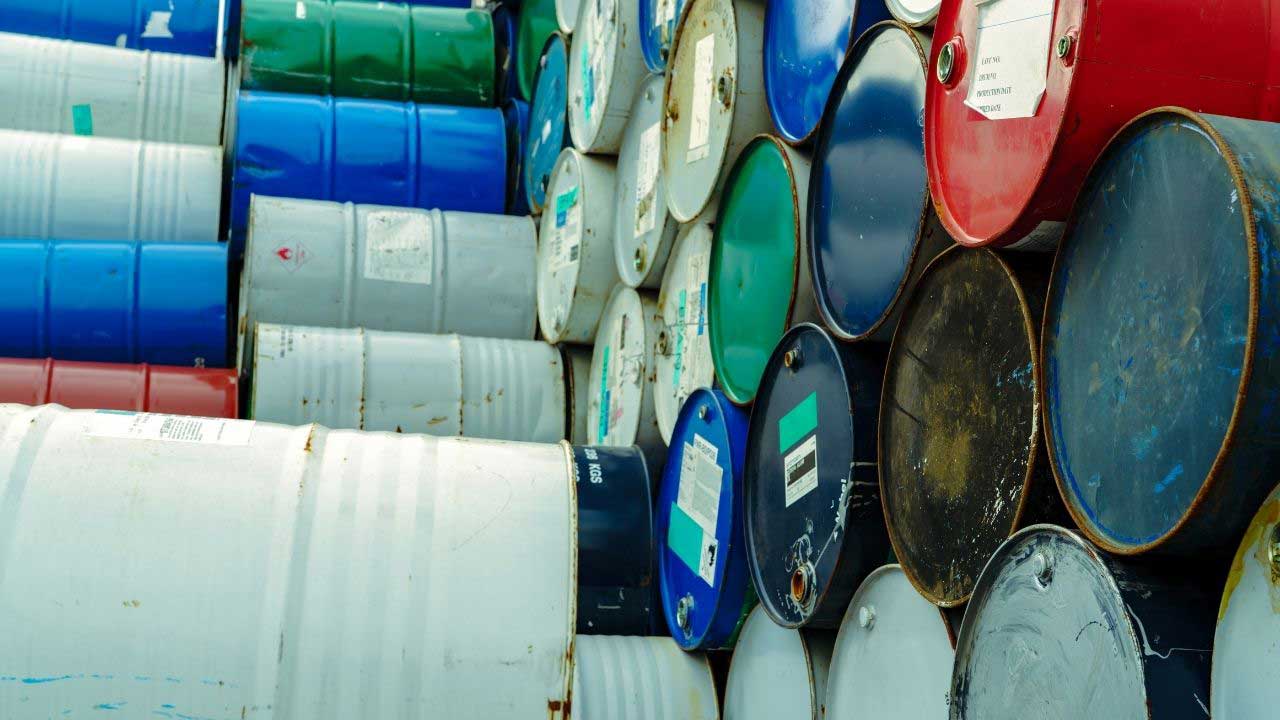
Once PFAS enter the environment, they easily infiltrate the food chain, moving from manufacturing facilities to drinking water and, ultimately, to our dinner plates. PFAS contamination arises from various sources, including landfills, industrial sites, and military bases, polluting the air, soil, and water.
Due to their water-soluble nature, PFAS readily leach into groundwater and can travel great distances. A study published in the scientific journal Nature revealed that PFAS were detected in the drinking water of over 16 million Americans across thirty-three states. Experts believe that the actual figures are likely underestimated due to insufficient data from several regions.
Even if your water supply isn’t contaminated, you may still be exposed to PFAS. Many people opt for bottled water for convenience or due to concerns about tap water quality. However, recent tests have shown that numerous bottled water brands also contain PFAS.
PFAS exposure can occur through various means, including food cooked in non-stick cookware and dust in our homes. Alarmingly, PFAS have also infiltrated the food supply, with research indicating that food wrappers from take-out and fast-food packaging often contain these harmful chemicals, exposing consumers with every bite.
The Alarming Health Effects of PFAS
PFAS chemicals are easily absorbed through the gastrointestinal tract and can remain in the bloodstream for extended periods. Some of these toxins can persist in the body for approximately fifteen years before being excreted.

Reports from the National Center for Environmental Health have detected PFAS in human blood, urine, breast milk, and even umbilical cord blood, confirming that these chemicals are indeed entering the human body from environmental sources.
Once PFAS enter the system, they can inflict significant harm. Research has linked PFAS exposure to various health issues, including:
- Cancers (such as liver and pancreatic cancer)
- Hormonal disruptions
- Elevated cholesterol levels
- Obesity (certain PFAS act as obesogens)
- Immune system damage
Reducing Your Risk of PFAS Exposure
Given the dangers posed by PFAS, it’s clear that avoiding exposure entirely is nearly impossible. However, you can take proactive steps to minimize your risks and support your body’s detoxification processes.
Start by eliminating non-stick cookware from your kitchen, reducing your consumption of packaged foods, using air filters in your home, and opting for natural cleaning products, as conventional cleaning agents may also contain PFAS.
Since drinking water is a primary source of exposure, it’s wise to avoid bottled water whenever possible and opt for filtered water. The most effective filtration method for removing PFAS is reverse osmosis, which provides clean water without relying on tap or bottled sources. An activated carbon filter is another good option, as it works through adsorption, allowing PFAS to adhere to its surface and be filtered out.
Detoxifying with Natural Zeolite
Similar to activated carbon, natural mineral zeolite can act as a filter for toxins within the body. The natural zeolite Clinoptilolite is a gentle yet effective detoxifier suitable for long-term use.
Formed from volcanic deposits, zeolites have been recognized for their ability to attract and trap toxins. When processed and nanosized for optimal absorption, this zeolite can detoxify your system at a cellular level.
Zeolite detoxifies the body in two primary ways. As a negatively charged mineral, it utilizes cationic exchange, attracting positively charged toxins and trapping them within its crystalline structure. Additionally, through adsorption, toxins adhere to the zeolite’s surface before being eliminated from the body.
While research is still limited, evidence suggests that zeolite can adsorb PFAS, helping to eliminate these harmful chemicals from aqueous solutions. Known for its ability to remove toxic metals, zeolite may also serve as a safe and effective method for reducing PFAS exposure.
Considering that PFAS can linger in the body for years and have well-documented adverse health effects, minimizing your exposure to these toxic chemicals is vital. Stay informed about your local water supply, utilize a filtration system, and avoid PFAS-laden food packaging. Incorporating nanosized natural zeolite can further assist in reducing your body’s toxic burden and enhancing your overall well-being.