What is the Paleo Diet?
The Paleo diet, often referred to as the caveman diet, is a nutritional plan inspired by the eating habits of our prehistoric ancestors. This approach emphasizes whole foods that were available during the Paleolithic era, focusing primarily on unprocessed items. By avoiding cooked foods and reducing carbohydrate intake, followers of the Paleo diet aim to burn excess body fat while sustaining their energy levels. If you’re curious about the benefits of adopting a Paleo lifestyle, keep reading to discover more.
Core Components of the Paleo Diet
The Paleo diet is rich in natural foods such as meat, fish, and dairy products. These components are generally recognized as healthy and are often advocated by dietary guidelines like MyPyramid, which encourages the consumption of low-fat dairy. Healthy adults should aim for around three cups of low-fat dairy daily. While the Paleo diet restricts grains, it’s crucial to acknowledge that whole grains play a vital role in a balanced diet. However, pregnant women should approach this diet with caution, as nutrient intake is crucial for fetal development.
Starting Your Paleo Journey
Transitioning to a Paleo diet may not be suitable for everyone. If you’re new to this eating style, consider starting gradually and adhering to the guidelines during designated meal times. This strategy can help you remain committed and minimize the likelihood of overeating. Be prepared for occasional cravings, especially in the initial days, as some individuals may struggle with strict dietary changes. If you’re uncertain about whether the Paleo diet is right for you, give it a try! It may assist you in achieving your weight loss goals.
Physical Activity and the Paleo Lifestyle
While some variations of the Paleo diet do not emphasize exercise, many advocate for incorporating physical activity into your routine. Engaging in outdoor activities, reminiscent of hunting and gathering, can mirror the lifestyle of our ancestors, who relied on physical exertion for survival. The Paleo diet typically excludes grains, aligning with the belief that our bodies are not well-suited for modern agricultural products.
Convenience and Meal Preparation
One of the appealing aspects of the Paleo diet is its simplicity and convenience. Followers can prepare large batches of soups or stews that can last several days, making meal planning easier. Although it shares similarities with the ketogenic diet, the Paleo diet is more restrictive in terms of food choices. The focus is less on carbohydrate content and more on the quality of fats and proteins consumed.
Health Benefits of the Paleo Diet
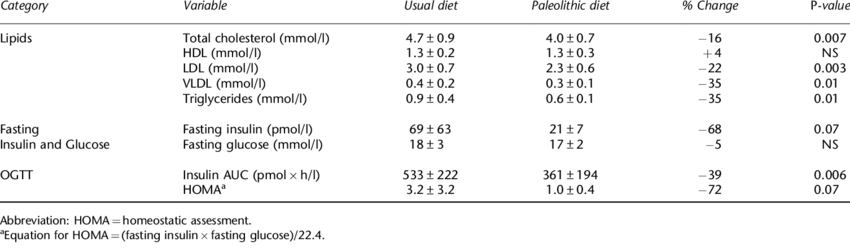
The Paleo diet encourages a higher level of physical activity and promotes the consumption of less processed food. It emphasizes the importance of healthy fats and proteins while eliminating gluten and dairy, which are prevalent in modern diets. This makes the Paleo diet particularly beneficial for individuals managing diabetes. However, it’s essential to recognize that this dietary approach may not be suitable for everyone and is best suited for those just starting their journey into healthier eating.