In today’s health-conscious society, it is crucial to understand the intricate interplay between gut health, digestion, immune support, and natural detoxification for overall well-being. The choices we make on a daily basis, from the foods we consume to how we manage stress, have a direct impact on these vital bodily functions. By taking a holistic approach to health, which includes nurturing a balanced gut microbiome, optimizing digestion, bolstering immune support, and facilitating natural detoxification, individuals can proactively enhance their vitality and resilience. This article serves as a beginner’s guide to meal prepping for the week, offering valuable insights and practical tips to help you incorporate these interconnected aspects of wellness into your everyday life.
What is meal prepping?
Definition of meal prepping
Meal prepping is a process of planning and preparing meals in advance, usually for a week, to save time and ensure a healthy and consistent eating routine. It involves selecting recipes, organizing ingredients, and cooking and assembling meals ahead of time. By engaging in meal prepping, individuals can have ready-to-eat meals conveniently available, reducing the need for unhealthy takeout or fast food options.
Benefits of meal prepping
Meal prepping offers numerous benefits that contribute to a healthier and more efficient lifestyle. Some of the key advantages include:
- Time-saving: By dedicating a few hours to meal prepping once a week, you can save significant time during busy weekdays. Having pre-made meals eliminates the need for daily cooking, allowing you to focus on other tasks or activities.
- Cost-effective: By planning and purchasing ingredients in bulk, meal prepping can save money by reducing food waste and taking advantage of sales or discounts. It eliminates the need for frequent grocery store trips and impulse purchases.
- Healthier eating choices: Meal prepping empowers you to make intentional decisions about your meals, ensuring that you incorporate a balanced diet with appropriate portion sizes. It allows you to control the ingredients used and reduce the intake of unhealthy additives or excessive salt and sugar.
- Portion control: By pre-portioning your meals, you can avoid overeating and maintain a healthy caloric intake. This can be particularly beneficial for individuals trying to manage their weight or adhere to specific dietary requirements.
- Reduced stress: Knowing that you have meals prepared and ready to eat eliminates the stress and last-minute decision-making that often accompanies mealtime. It provides a sense of control and reduces the likelihood of resorting to unhealthy food options due to time constraints or lack of options.
- Variety and versatility: Meal prepping allows you to experiment with different recipes and flavors while ensuring a diverse and enjoyable eating experience. It provides an opportunity to explore new cuisines or incorporate seasonal ingredients.
Setting goals for meal prepping
Identifying your dietary goals
To effectively meal prep, it is important to identify your specific dietary goals. Whether you are aiming to lose weight, build muscle, follow a specific dietary plan, or simply maintain a healthy lifestyle, understanding your objectives will guide your meal selection and portion sizes.
Consider factors such as your daily caloric needs, macronutrient requirements, and any food allergies or intolerances you may have. Consulting with a registered dietitian or nutritionist can be beneficial in setting realistic goals and developing a customized meal plan.
Planning your meals according to your goals
Once you have established your dietary goals, it is time to plan your meals accordingly. This involves selecting recipes that align with your objectives and organizing them into a weekly meal plan.
When choosing recipes, consider their nutritional content, cooking time, and the availability of ingredients. Aim for a balance of lean proteins, whole grains, fruits, vegetables, and healthy fats. Incorporate a variety of colors and flavors to keep your meals interesting and enjoyable.
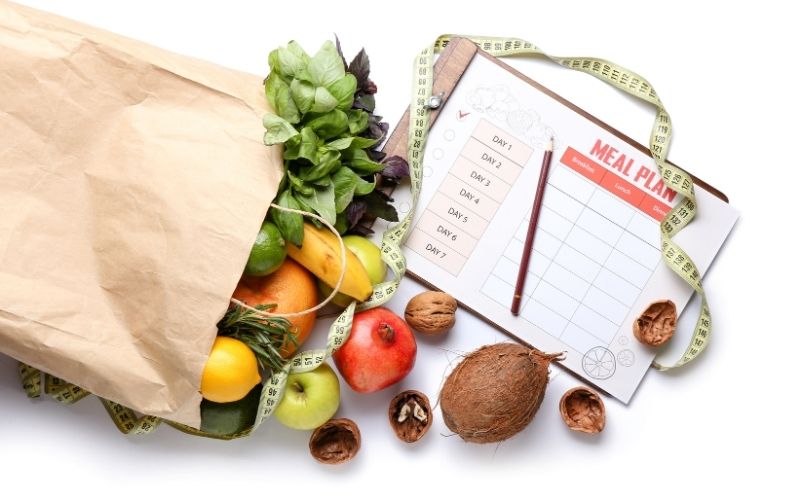
Divide your meal plan into breakfast, lunch, dinner, and snacks. Determine how many meals you need to prepare for each day and ensure that they meet your nutritional requirements. It is also helpful to designate specific days for batch cooking or preparing components that can be used in multiple recipes.
Creating a meal plan
Selecting a specific time for meal prepping
To establish a consistent meal prepping routine, it is essential to designate a specific time for this task. Choose a day and time that works best for you, considering factors such as your work schedule and availability of ingredients.
Many individuals find it convenient to set aside a few hours on weekends to prepare meals for the upcoming week. This allows for a smooth start to the week and reduces the likelihood of relying on convenience foods during busy weekdays.
Choosing the right recipes
When selecting recipes for your meal plan, consider your cooking skills, available time, and personal preferences. Choose recipes that are not overly complicated and can be easily adapted to fit your dietary goals.
Look for recipes that utilize similar ingredients to minimize food waste and simplify grocery shopping. You can also explore cookbooks, online resources, or meal planning apps for inspiration and diverse recipe options.
Calculating the portions
Accurate portion sizes are crucial for achieving your dietary goals and managing calorie intake. Invest in a food scale to ensure precise measurements and consistent portions. A registered dietitian can provide guidance on appropriate serving sizes based on your specific needs.
When prepping meals, divide the portions according to your meal plan and store them in individual containers. This will make it easier to grab a well-balanced meal on-the-go and prevent overeating.
Creating a grocery list
Before heading to the grocery store, create a comprehensive grocery list based on your selected recipes and portion sizes. Organize your list based on food groups and sections of the store to streamline your shopping experience.
Check your pantry and refrigerator for any ingredients you already have to avoid unnecessary purchases. Consider purchasing ingredients in bulk to save money and ensure you have adequate supplies for future meal prepping sessions.
Organizing your kitchen and tools
Arranging your pantry and refrigerator
A well-organized kitchen is essential for an efficient meal prepping process. Begin by decluttering your pantry and refrigerator, discarding any expired or unwanted items.
Arrange your pantry with clear containers or jars to store dry goods such as rice, pasta, and spices. This will make it easier to identify ingredients and monitor their quantity.
In your refrigerator, designate specific areas for different food groups and use transparent bins or dividers to separate items. This will facilitate easy access and prevent cross-contamination.
Investing in meal prep containers
Investing in quality meal prep containers is crucial for preserving the freshness and quality of your meals. Opt for containers that are microwave-safe, airtight, and leak-proof to prevent spills and maintain food safety.
Choose containers with compartments or dividers to separate different components of your meals and preserve their flavors and textures. This will make it easier to assemble your meals and avoid the need for additional containers when reheating.
Essential kitchen tools for meal prepping
To efficiently meal prep, there are several essential kitchen tools that can streamline the process. These include:
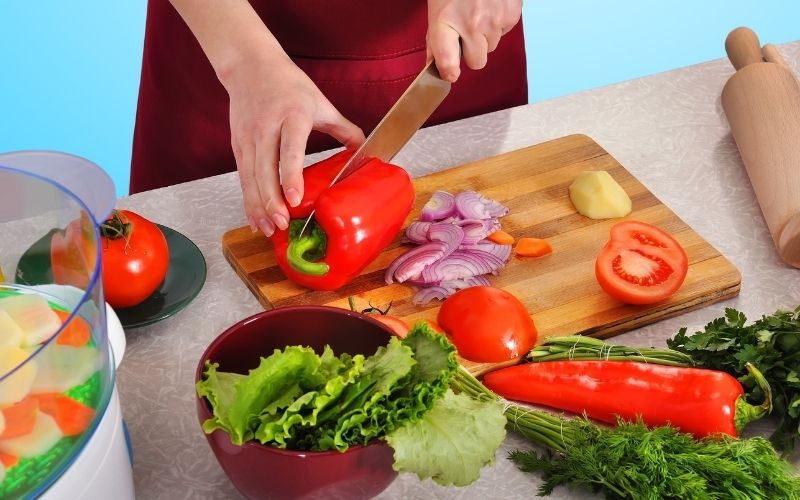
- Chef’s knife and cutting board: A sharp knife and a sturdy cutting board are crucial for chopping vegetables, fruits, and meats.
- Food processor or blender: These appliances can help with tasks such as chopping, blending, or pureeing ingredients for sauces, dressings, or marinades.
- Baking sheets and casserole dishes: These are essential for roasting vegetables, baking grains, or preparing large batches of proteins.
- Cooking utensils: Stock your kitchen with essentials like spatulas, tongs, and spoons to facilitate the cooking process.
- Slow cooker or instant pot: These appliances are ideal for preparing meals that require slow cooking or tenderizing meats.
Having these tools readily available will make meal prepping more efficient and enjoyable.
Grocery shopping for meal prepping
Choosing fresh and quality ingredients
When grocery shopping for your meal prep, prioritize fresh and high-quality ingredients. Shop for seasonal produce to ensure optimal flavor and nutritional content.
Inspect fruits and vegetables for any signs of spoilage or bruising. Choose lean cuts of meat, poultry, or fish and check for their appearance, smell, and expiration dates. Opt for whole grains, legumes, nuts, and seeds that are free from additives and preservatives.
Shopping for bulk items
To save money and ensure a steady supply of essential ingredients, consider purchasing items in bulk. Staples like rice, pasta, canned goods, and spices can be bought in larger quantities and stored in airtight containers.
Check for sales or discounts on items that have a longer shelf life, such as frozen fruits and vegetables or non-perishable pantry staples. Be mindful of your storage space and only buy in bulk what you can reasonably consume before the expiration dates.
Optimizing your shopping efficiency
To maximize efficiency during your grocery shopping trips, consider the following tips:
- Stick to your list: Avoid impulse purchases by sticking to your prepared grocery list. This will save time and prevent unnecessary spending on items you don’t need.
- Shop at non-peak hours: Choose quieter times to visit the grocery store to avoid long queues and crowded aisles. This will allow you to shop more efficiently and reduce stress.
- Utilize online shopping services: Take advantage of online grocery shopping services that offer delivery or curbside pickup. This can save time and ensure you stay within your budget by avoiding tempting store displays.
- Familiarize yourself with the store layout: Knowing the layout of your grocery store will help you navigate quickly and find the items on your list without wasting time.
By implementing these strategies, you can streamline your grocery shopping experience and focus on obtaining the necessary ingredients for your meal prepping.
Prepping your ingredients
Washing and chopping vegetables
Before starting meal prepping, thoroughly wash your fruits and vegetables to remove any dirt, pesticides, or bacteria. Use a vegetable brush or scrubber to clean produce with a firm skin, such as potatoes or cucumbers.
Once washed, dry the produce thoroughly before chopping or storing. Chop vegetables according to your recipe requirements, considering the desired size and thickness.
Pre-cooking meats and grains
To save cooking time during the week, pre-cook meats and grains as needed for your meal plan. Cook and season proteins such as chicken, turkey, or tofu, and allow them to cool before storing in meal prep containers.
For grains like rice, quinoa, or pasta, cook them al dente to avoid mushiness when reheating. Store them separately from the proteins and vegetables to maintain their texture and flavors.
Preparing sauces and dressings
Prepare your sauces, dressings, or marinades in advance to enhance the flavors of your meals. Combine the necessary ingredients and mix well, adjusting the flavors according to your preferences.
Store the sauces and dressings in separate containers, ensuring proper sealing to prevent leakage. Label the containers with the name and date to easily identify them during meal assembly.
Assembling and storing your meals
Plating and arranging your prepped ingredients
When it’s time to assemble your meals, start with the base ingredients such as grains or proteins. Choose your meal prep container and layer the components in an organized manner.
Arrange your ingredients to ensure an aesthetically pleasing presentation and to avoid any cross-contamination. Consider the texture and flavors of each component to enhance the overall eating experience.
Proper storage techniques and containers
To maintain the freshness and safety of your prepped meals, it is important to properly store them. Ensure that your meal prep containers are airtight and leak-proof to prevent spoilage and contamination.
Allow the cooked ingredients to cool before sealing the containers and placing them in the refrigerator. Refrigerate your prepped meals within two hours of cooking to minimize the risk of bacterial growth.
Labeling your meals
Labeling your meals with the date of preparation can help you keep track of freshness and ensure that you consume them within safe time frames. Use removable labels or markers that are specifically designed for food containers.
In addition to the date, you can also label the meals with their contents or any specific dietary information. This will help you quickly identify the meal you desire and avoid confusion.
Meal prepping safety and storage guidelines
Ensuring proper food handling and hygiene
Maintaining proper food handling and hygiene practices is essential for ensuring the safety of your prepped meals. Follow these guidelines:
- Wash your hands thoroughly with soap and water before handling any food.
- Keep raw meats separate and avoid cross-contamination by using separate cutting boards and utensils for different ingredients.
- Cook meats to their recommended internal temperatures to eliminate harmful bacteria. Use a food thermometer to ensure proper cooking.
- Avoid leaving cooked food at room temperature for more than two hours to prevent bacterial growth. Promptly store leftovers in the refrigerator or freezer.
Safe storage durations and guidelines
To maintain food quality and prevent foodborne illnesses, it is important to adhere to safe storage durations for your prepped meals. Follow these guidelines:
- Refrigerate your prepped meals within two hours of preparation.
- Consume refrigerated meals within three to four days to ensure freshness.
- If you plan to keep meals for longer periods, consider freezing them. Most prepped meals can be safely stored in the freezer for up to three months.
- When reheating prepped meals, ensure they reach a safe internal temperature of 165°F (74°C) to eliminate any bacteria.
By following these safety guidelines, you can ensure that your prepped meals are not only convenient but also safe for consumption.
Tips for an efficient meal prepping process
Utilizing multitasking and time-saving techniques
To maximize efficiency during the meal prepping process, adopt multitasking techniques and time-saving strategies:
- Preheat your oven or other cooking appliances while you wash and chop vegetables.
- Cook multiple components simultaneously, such as rice on the stovetop while roasting vegetables in the oven.
- Utilize overlapping cooking times to prepare multiple recipes simultaneously, saving both time and energy.
- Consider using slow cookers or instant pots for hands-off cooking that allows you to focus on other meal prep tasks.
By implementing these techniques, you can optimize your time in the kitchen and complete your meal prepping efficiently.
Batch cooking and freeze-ahead meals
Batch cooking is a valuable technique for saving time and ensuring a constant supply of prepped meals. Allocate specific days for batch cooking where you prepare large quantities of recipes that can be used throughout the week.
Batch cooking also enables you to take advantage of sales or discounts on bulk ingredients. It allows you to experiment with different flavors and use similar base ingredients across various recipes.
Additionally, consider preparing freeze-ahead meals. These are meals that can be fully cooked and then frozen for later consumption. This is particularly useful for those with busy schedules or unpredictable meal times.
Streamlining your meal prep routine
To streamline your meal prep routine, establish a consistent workflow and create a standardized process that works for you. This can include:
- Designating specific days and times for meal prepping and sticking to the schedule.
- Preparing ingredients in bulk, such as chopping vegetables or marinating proteins, to save time during meal assembly.
- Cleaning and organizing your kitchen as you go to maintain a clutter-free workspace.
- Developing a system for storing and rotating ingredients, ensuring that older ingredients are used first to minimize waste.
By streamlining your meal prep routine, you can maintain a structured approach and efficiently manage your time in the kitchen.
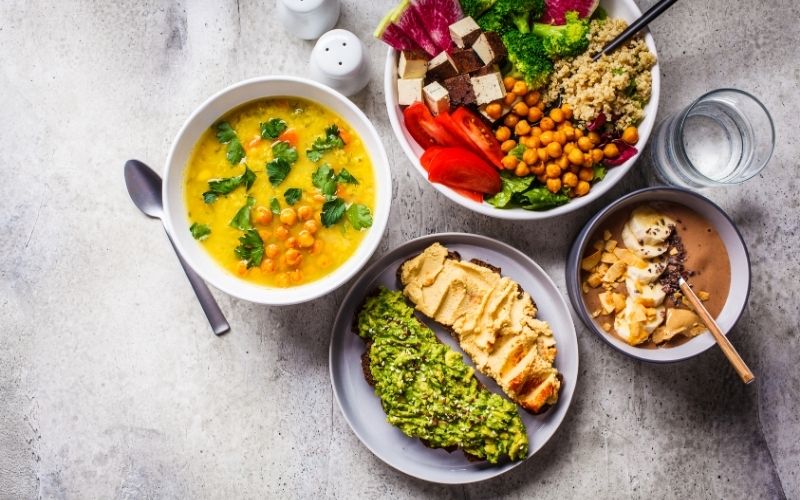
Meal prepping for different dietary preferences
Vegan and vegetarian meal prepping
Meal prepping for individuals following a vegan or vegetarian diet requires careful consideration of protein sources and nutrient balance.
Include a variety of plant-based proteins such as legumes, tofu, tempeh, or seitan in your meals. Experiment with different grains, vegetables, and spices to add flavor and diversity. Consider using plant-based dairy alternatives or nut-based sauces to enhance the taste of your meals.
Take advantage of a wide range of vegetables and fruits to ensure a colorful and nutrient-dense meal plan. Incorporate ingredients like quinoa, lentils, or beans to provide sufficient protein and fiber.
Gluten-free and dairy-free meal prepping
For individuals with gluten or dairy intolerance or allergies, there are ample options available to ensure a delicious and nutritious meal prep routine.
Opt for gluten-free grains such as rice, quinoa, or buckwheat to replace wheat-based products. Explore alternative flours or gluten-free products for baking or cooking needs.
Replace dairy products with plant-based alternatives like almond milk, coconut milk, or soy-based dairy substitutes. Utilize dairy-free spreads or oils for cooking and flavoring.
When selecting recipes, pay attention to hidden sources of gluten or dairy, such as sauces, dressings, or seasonings. Choose recipes with naturally gluten- or dairy-free ingredients to simplify your meal prep process.
By tailoring your meal prep routine to specific dietary preferences, you can ensure a diverse and satisfying selection of meals while adhering to individual needs and restrictions.
In conclusion, meal prepping is a beneficial practice for individuals seeking to save time, maintain a well-balanced diet, and reduce stress associated with meal planning. By setting clear goals, creating a meal plan, organizing your kitchen, and following best practices for grocery shopping, ingredient prepping, and meal storage, you can establish an efficient and effective meal prep routine. Whether you are following specific dietary preferences or focusing on overall well-being, meal prepping offers a multitude of benefits that can enhance your lifestyle and support your health goals. By embracing this approach, you can achieve a harmonious relationship between your mind, body, and environment for long-term health benefits.