Digestion is a complex process that involves the breakdown of food into nutrients our bodies can absorb and use for energy, growth, and repair. When digestion runs smoothly, we feel energized and healthy. However, many people experience occasional or frequent digestive issues like bloating, gas, constipation, or diarrhea. These problems can be uncomfortable and disruptive to daily life.
The good news is that there are a number of simple steps you can take to improve your digestion and promote a happy gut. This article explores a range of dietary and lifestyle changes you can incorporate into your routine for better digestive health.
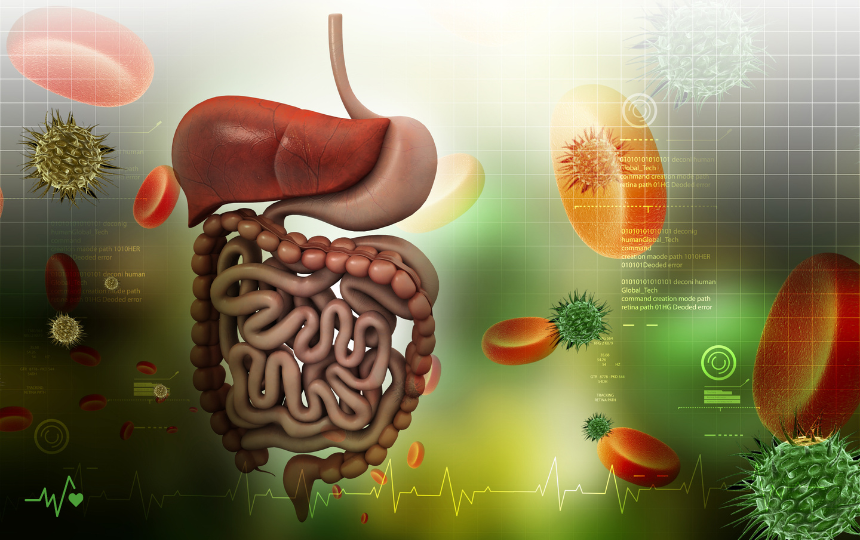
Dietary Tweaks on How to Improve Digestion:
Fiber is Your Friend: Fiber plays a crucial role in digestion. It adds bulk to stool, promotes regularity, and helps food move smoothly through your digestive system. Aim to include plenty of fiber-rich foods in your diet, such as fruits, vegetables, whole grains, legumes, and nuts.
- Go Whole Grain: Swap refined grains like white bread and pasta for whole-wheat options. Brown rice, quinoa, oats, and barley are all excellent sources of fiber.
- Don’t Fear the Fruit: Fruits are a delicious way to boost your fiber intake. Berries, pears, apples, and kiwis are all good choices.
- Power Up with Vegetables: Vegetables are packed with fiber and essential nutrients. Broccoli, Brussels sprouts, artichokes, and sweet potatoes are all high-fiber vegetables to add to your plate.
- Beans and Legumes: Beans, lentils, and chickpeas are not only a great source of protein but also provide a good dose of fiber. Consider incorporating them into soups, stews, salads, or dips.
- Snack on Nuts and Seeds: Nuts and seeds are a portable and satisfying source of fiber, healthy fats, and protein. Almonds, walnuts, chia seeds, and flaxseeds are all excellent choices.
Hydration is Key: Water is essential for many bodily functions, including digestion. Dehydration can lead to constipation, so staying well-hydrated is crucial for keeping things moving. Aim to drink plenty of water throughout the day, and consider incorporating herbal teas or low-sugar fruit-infused water for added flavor variety.
Mindful Munching: How you eat is just as important as what you eat. Practice mindful eating by slowing down, savoring your food, and chewing thoroughly. This allows your body to better break down food and absorb nutrients, reducing the risk of indigestion and stomach upset.
Portion Control Matters: Overeating can overwhelm your digestive system and lead to bloating and discomfort. Pay attention to your hunger cues and stop eating when you feel comfortably full. Consider using smaller plates and bowls to help with portion control.
Limit Processed Foods: Processed foods are often high in unhealthy fats, sodium, and refined sugars, which can contribute to digestive problems. Opt for whole, unprocessed foods whenever possible.
- Read Food Labels: Pay attention to the ingredients list when selecting packaged foods. Choose options that are lower in sodium, added sugars, and unhealthy fats.
- Cook More at Home: Cooking at home allows you to control the ingredients in your meals. This way, you can limit processed ingredients and focus on fresh, whole foods.
Identify Food Sensitivities: Some people have sensitivities to certain foods, such as gluten or dairy, that can trigger digestive issues. If you suspect a food sensitivity, consider keeping a food diary to track your meals and symptoms. Talk to your doctor about possible elimination diets or allergy testing to identify any problematic foods.
- Elimination Diet: An elimination diet involves removing suspected trigger foods from your diet for a period of time and then reintroducing them one by one to see if symptoms return. This can help identify which foods might be causing digestive problems.
Lifestyle Habits for a Healthier Gut to How to Improve Digestion:
Manage Stress: Chronic stress can wreak havoc on your digestive system. Find healthy ways to manage stress, such as exercise, yoga, meditation, or spending time in nature. Relaxation techniques can help calm your nervous system and improve gut motility.
- Relaxation Techniques: Deep breathing exercises, progressive muscle relaxation, and mindfulness meditation can all be helpful for stress management.
Get Moving: Regular physical activity is beneficial for overall health and digestion. Exercise helps stimulate the muscles in your digestive tract, promoting better movement of food and reducing the risk of constipation. Aim for at least 30 minutes of moderate-intensity exercise most days of the week.
- Find Activities You Enjoy: Choose physical activities you find enjoyable, such as walking, biking, swimming, or dancing. This will make it more likely that you’ll stick with an exercise routine.
- Prioritize Sleep: When you don’t get enough sleep, it can disrupt your gut microbiome, the delicate balance of good and bad bacteria in your digestive system. Aim for 7-8 hours of quality sleep each night to promote a healthy gut and overall well-being.
- Develop a Sleep Routine: Establish a regular sleep schedule and stick to it as much as possible, even on weekends. Create a relaxing bedtime routine to wind down before sleep.
- Consider Probiotics: Probiotics are live bacteria that are similar to the beneficial bacteria found in your gut. Some studies suggest that probiotic supplements may help improve digestion and alleviate symptoms of certain digestive disorders like irritable bowel syndrome (IBS) [1].
- Talk to Your Doctor: While generally safe, it’s advisable to talk to your doctor before starting any new supplements, including probiotics.
- Don’t Skimp on Prebiotics: Prebiotics are a type of fiber that acts as food for the good bacteria in your gut. Prebiotics help promote the growth and activity of these beneficial bacteria, contributing to a healthy gut microbiome.
- Prebiotic-Rich Foods: Incorporate prebiotic-rich foods into your diet, such as onions, garlic, asparagus, bananas, and chicory root.
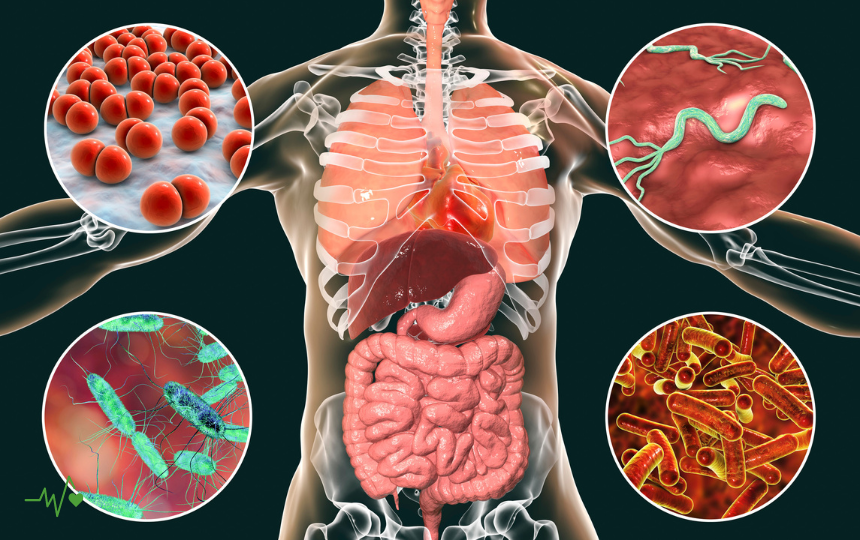
Going Further: Addressing Specific Digestive Issues a key to How to Improve Digestion
This article has provided a general overview of ways to improve digestion. Let’s delve deeper into some common digestive problems and explore targeted strategies for managing them:
1. Constipation: This is a condition characterized by infrequent bowel movements and difficulty passing stool. Here are some tips for relief:
- Increase Fiber Intake: As mentioned earlier, fiber is essential for promoting regularity. Focus on incorporating plenty of fruits, vegetables, and whole grains into your diet.
- Stay Hydrated: Dehydration can contribute to constipation. Make sure you’re drinking enough water throughout the day.
- Exercise Regularly: Physical activity helps stimulate the muscles in your digestive tract and can aid in relieving constipation.
- Consider Laxatives: Over-the-counter laxatives can provide temporary relief from constipation. However, it’s important not to rely on them regularly. Consult your doctor if constipation is persistent or severe.
2. Diarrhea: This condition involves loose, watery stools that occur more frequently than usual. Here are some tips for managing diarrhea:
- Hydration is Crucial: Diarrhea can lead to dehydration, so replenishing fluids and electrolytes is essential. Stick to clear liquids like water, broth, and oral rehydration solutions.
- BRAT Diet: The BRAT diet (Bananas, Rice, Applesauce, Toast) is a bland diet often recommended for managing diarrhea. These foods are easy to digest and can help firm up stools.
- Probiotics May Help: Some studies suggest that probiotics can help shorten the duration of diarrhea [2]. Consider talking to your doctor about probiotic supplements.
- Over-the-counter Medications: Loperamide (Imodium) is an over-the-counter medication that can help slow down bowel movements. However, it’s not recommended for everyone and should only be used under medical supervision if you have certain medical conditions.
3. Bloating and Gas: These are common digestive discomforts that can be caused by various factors, including eating too quickly, swallowing air, certain foods, and digestive imbalances. Here are some tips for managing bloating and gas:
- Eat Slowly and Chew Thoroughly: This allows your body to better break down food and can help reduce air intake while eating.
- Identify Food Triggers: Pay attention to foods that seem to worsen bloating and gas. Common culprits include beans, cruciferous vegetables (like broccoli and cauliflower), dairy products, and carbonated beverages.
- Consider Peppermint: Peppermint tea or peppermint oil capsules may help soothe the digestive tract and alleviate bloating and gas.
- Limit Processed Foods: Processed foods are often high in unhealthy fats, sodium, and artificial sweeteners, which can contribute to digestive issues like bloating and gas.
4. Heartburn and Acid Reflux: These occur when stomach acid backs up into the esophagus, causing a burning sensation in the chest. Here are some tips for managing heartburn and acid reflux:
- Avoid Trigger Foods: Common trigger foods for heartburn include spicy foods, fatty or fried foods, citrus fruits, tomato-based products, chocolate, and coffee. Identify and avoid foods that seem to worsen your symptoms.
- Manage Portions: Overeating can overwhelm your digestive system and increase the risk of heartburn. Eat smaller, more frequent meals throughout the day.
- Elevate Your Head During Sleep: Prop up your head by placing extra pillows under your head while sleeping to help prevent stomach acid from rising into the esophagus.
- Consider Medications: Over-the-counter antacids can neutralize stomach acid and provide temporary relief from heartburn. H2 blockers and proton pump inhibitors are stronger medications that can be prescribed by your doctor for more persistent heartburn.
Remember: If you experience frequent or severe digestive problems, it’s important to consult your doctor to rule out any underlying medical conditions and get personalized treatment recommendations.
By following these tips and making small changes to your diet and lifestyle, you can take control of your digestion and promote a healthier, happier gut. Listen to your body, identify what works best for you, and enjoy the journey towards a healthier digestive system!