Our bodies are constantly under attack from various invaders, from viruses and bacteria to allergens and environmental toxins. Fortunately, we have a built-in defense system – the immune system – that works tirelessly to protect us from illness. While a healthy lifestyle with balanced diet, regular exercise, and adequate sleep is essential for optimal immune function, certain herbs can offer additional support.
This article explores some of the best herbs for immune support, their potential benefits, and how to incorporate them into your routine.
Understanding the Immune System and How Herbs Can Help
The immune system is a complex network of organs, cells, and tissues that work together to defend the body against pathogens (disease-causing organisms) and harmful substances. It has two main branches:
- Innate immune system: The body’s first line of defense, providing nonspecific barriers against invaders.
- Adaptive immune system: A more targeted response that develops immunity to specific pathogens after exposure.
Certain herbs may offer immune support by:
- Boosting Antioxidant Activity: Antioxidants help combat free radicals, harmful molecules that can damage cells and contribute to inflammation. Herbs rich in antioxidants may support the immune system by protecting cells from damage.
- Enhancing Immune Cell Activity: Some herbs may stimulate the production or activity of white blood cells, critical components of the immune response.
- Reducing Inflammation: Chronic inflammation can weaken the immune system. Herbs with anti-inflammatory properties may help by promoting a balanced immune response.
- Supporting Mucus Membranes: These membranes act as a barrier against pathogens. Certain herbs may support healthy mucus membranes, potentially aiding in the body’s defense against invaders.
Important Considerations:
- Evidence-Based: While many herbs have been used traditionally for immune support, the scientific evidence for their effectiveness varies.
- Not a Replacement for Medical Care: Herbs should not be used as a substitute for medical treatment. If you’re experiencing persistent health problems, consult a healthcare professional.
- Potential Interactions: Herbs can interact with medications. Consult your doctor before using herbs if you’re taking any medications.
- Quality Matters: Choose high-quality herbs from reputable sources.
Top Herbs for Immune Support:
Here’s a closer look at some of the most popular herbs for immune support, along with their potential benefits:
- Echinacea: This flowering plant has been used for centuries to support the immune system. Studies suggest it may shorten the duration of the common cold and reduce its severity.
- Elderberry: This berry is rich in antioxidants and may help boost the immune system’s response to viruses.
- Astragalus: A traditional herb in Chinese medicine, astragalus may support the immune system by enhancing white blood cell activity.
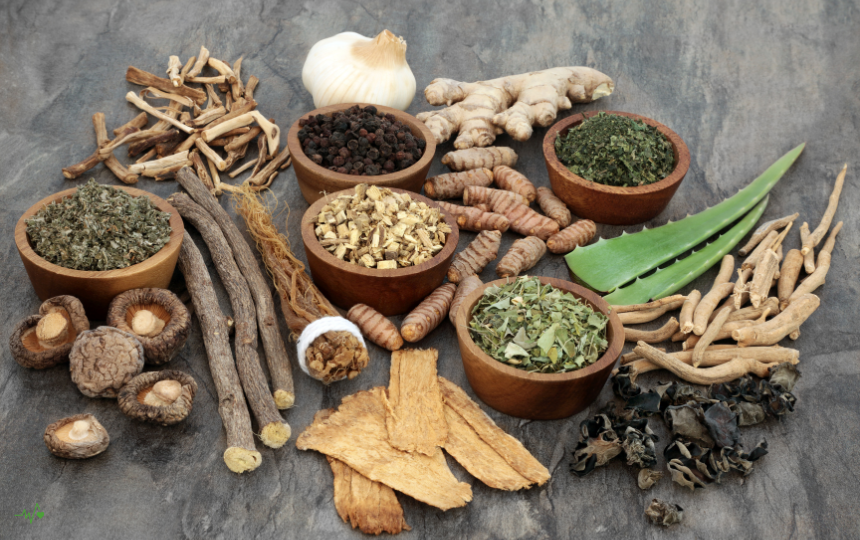
- Garlic: This versatile culinary herb has potent immune-boosting properties. Garlic contains allicin, a compound with antibacterial and antiviral properties.
- Ginger: This warming spice has anti-inflammatory properties and may help reduce symptoms of upper respiratory infections.
- Ginseng: There are several types of ginseng, each with potential benefits. Some studies suggest ginseng may help modulate the immune system and reduce the risk of infections.
- Goldenseal: This herb has traditionally been used to support the respiratory system. However, goldenseal can have side effects, so consult a healthcare professional before using it.
- Andrographis: This herb, also known as King of Bitters, may help shorten the duration of the common cold and reduce its severity.
- Turmeric: The curcumin in turmeric possesses powerful anti-inflammatory properties that may benefit the immune system.
- Licorice Root: Licorice root has antiviral and antibacterial properties. However, it can be high in blood pressure-raising compounds, so consult a healthcare professional before using it.
How to Incorporate Herbs into Your Immune Support Routine:
There are several ways to incorporate these herbs into your daily routine:
- Teas: Brew herbal teas using dried herbs or commercially prepared tea bags. Enjoy them hot or cold throughout the day.
- Tinctures: These concentrated liquid extracts offer a convenient way to consume herbs. Follow the recommended dosage on the label.
- Capsules: Capsules containing powdered herbs are another easy option.
- Cooking: Incorporate immune-supportive herbs into your cooking whenever possible. Garlic, ginger, and turmeric are versatile options.
Remember:
- Variety is Key: Don’t rely solely on one herb. Rotate different herbs throughout the season to benefit from a wider range of immune-supporting properties.
Start Slowly: If you’re new to herbal remedies, start with a low dose and
gradually increase it as tolerated.
- Listen to Your Body: Pay attention to how your body reacts to each herb. If you experience any adverse effects, discontinue use and consult a healthcare professional.
Beyond Herbs: A Holistic Approach to Immune Support
While herbs can offer valuable immune support, they are just one piece of the puzzle. Here are some additional practices to consider for a more holistic approach to boosting your immune system:
- Balanced Diet: A diet rich in fruits, vegetables, whole grains, and lean protein provides your body with the essential nutrients needed to support a healthy immune system.
- Regular Exercise: Physical activity helps reduce inflammation and may improve the immune system’s response to challenges. Aim for at least 30 minutes of moderate-intensity exercise most days of the week.
- Quality Sleep: When you’re well-rested, your body has the opportunity to repair and strengthen your immune system. Strive for 7-8 hours of quality sleep each night.
- Manage Stress: Chronic stress can weaken the immune system. Practice stress-management techniques like yoga, meditation, or deep breathing exercises.
- Minimize Toxin Exposure: Limit your exposure to environmental toxins whenever possible. This may involve choosing organic produce, using natural cleaning products, and avoiding processed foods.
- Stay Hydrated: Drinking plenty of water helps flush toxins from your body and keeps your digestive system functioning smoothly, which plays a role in immune function.
Conclusion:
Maintaining a healthy immune system is crucial for overall well-being. While incorporating certain herbs into your routine can offer additional support, remember that a holistic approach is key. By combining immune-supportive herbs with a balanced diet, regular exercise, adequate sleep, stress management, and healthy lifestyle choices, you can empower your body’s natural defenses and experience the benefits of a strong and resilient immune system.
Disclaimer: The information in this article is for educational purposes only and is not intended to be a substitute for professional medical advice, diagnosis, or treatment. Always consult with a qualified healthcare professional before using any herbal remedies or supplements.