Maintaining a healthy lifestyle often requires thoughtful planning, especially when it comes to snacking. Snacking can play a crucial role in achieving and maintaining overall health, but it’s essential to choose nutritious options to ensure that your snack habits contribute positively to your well-being. This comprehensive guide explores various healthy snack options, offers practical tips, and outlines common snacking pitfalls to help you make better choices every day.
1. The Importance of Healthy Snacking
Nutritional Balance
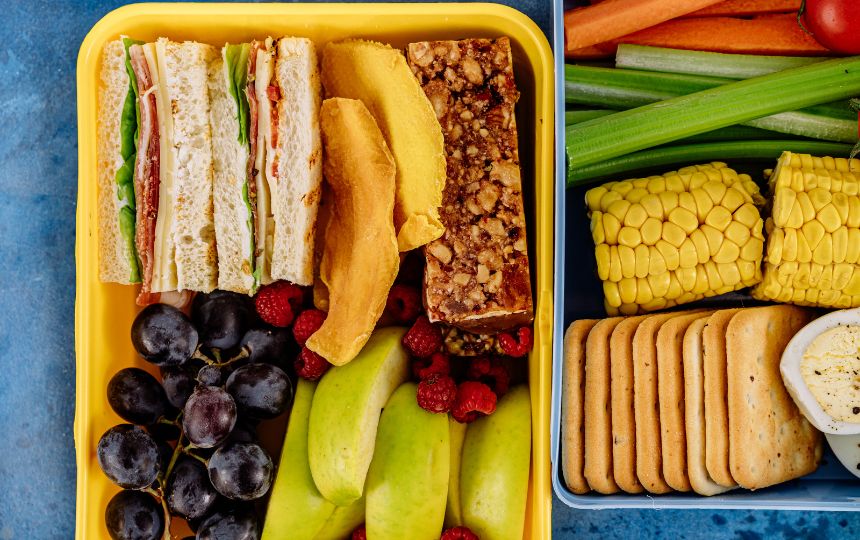
Healthy snacks are essential for keeping your body well-nourished throughout the day. They provide vital nutrients that can help maintain energy levels, support metabolic functions, and enhance overall health. Unlike empty-calorie snacks, nutrient-dense snacks can offer a significant boost in vitamins, minerals, and other essential nutrients.
Control Over Hunger
Strategic snacking can help regulate your appetite and prevent excessive hunger. By incorporating healthy snacks between meals, you can avoid overeating and make better food choices during main meals. This can be particularly helpful for those aiming to manage their weight or stabilize blood sugar levels.
Improved Focus and Energy
Nutritious snacks can enhance cognitive function and energy levels, which is crucial for productivity and focus. For instance, snacks rich in protein and complex carbohydrates can sustain your energy and prevent mid-afternoon slumps.
2. Nutritious Snack Options
Fresh Fruits and Vegetables
Fruits
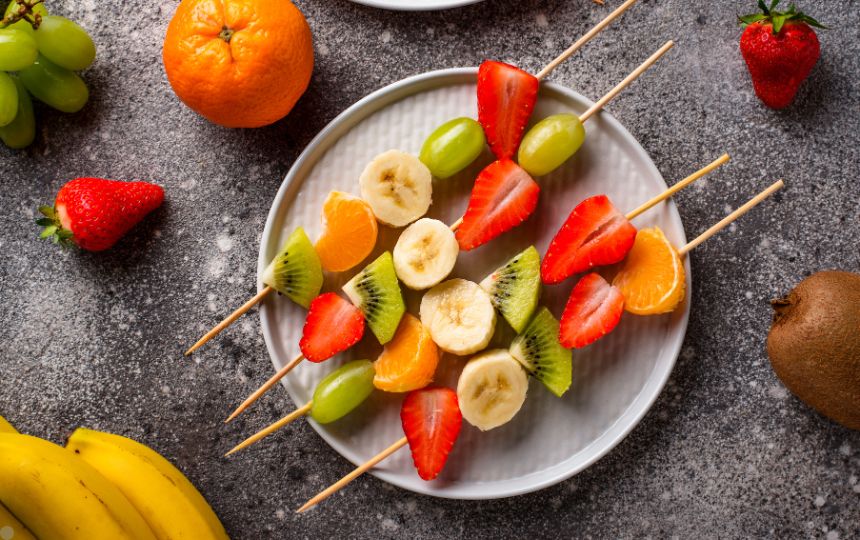
- Apples: Apples are rich in dietary fiber and vitamin C. They are also a good source of antioxidants that can help combat oxidative stress. Eating an apple can provide a satisfying crunch and natural sweetness without excessive calories.
- Bananas: Bananas are an excellent source of potassium, which is important for heart health and muscle function. They also provide quick energy and can be a great pre- or post-workout snack.
- Berries: Blueberries, strawberries, and raspberries are high in antioxidants, vitamins, and fiber. Their low calorie and high nutrient content make them a perfect addition to your snack routine.
- Oranges: Packed with vitamin C and fiber, oranges are great for immune support and digestive health. They can also help keep you hydrated due to their high water content.
Vegetables
- Carrot Sticks: Carrots are a low-calorie, crunchy vegetable rich in beta-carotene and vitamin A. They can help improve vision and immune function.
- Cucumber Slices: Cucumbers are hydrating and low in calories, making them an ideal snack for weight management. They also provide a mild, refreshing taste.
- Bell Pepper Strips: Bell peppers are high in vitamins A and C, and their vibrant colors are indicative of their antioxidant content. They add a sweet and crunchy element to your snack routine.
Pairing Ideas
Pairing fresh fruits and vegetables with healthy dips can enhance their taste and nutritional value:
- Hummus: A nutrient-rich dip made from chickpeas, hummus adds protein and fiber to vegetable sticks.
- Greek Yogurt: Use plain Greek yogurt as a dip for fruits or vegetables for added protein and probiotics.
Nuts and Seeds
Almonds
- Health Benefits: Almonds are a rich source of monounsaturated fats, protein, and fiber. They also contain vitamin E, magnesium, and antioxidants. Regular consumption of almonds has been linked to improved heart health and reduced risk of chronic diseases.
- Serving Suggestions: Enjoy a small handful of almonds as a snack, or add them to salads, yogurt, or oatmeal for extra crunch and nutrition.
Chia Seeds
- Health Benefits: Chia seeds are loaded with omega-3 fatty acids, fiber, and protein. They are also a good source of calcium and magnesium. These tiny seeds can support heart health, digestion, and bone strength.
- Serving Suggestions: Mix chia seeds into smoothies, yogurt, or oatmeal. They can also be used to make chia pudding by soaking them in almond milk or coconut milk overnight.
Yogurt and Cottage Cheese
Greek Yogurt
- Health Benefits: Greek yogurt is rich in protein, calcium, and probiotics, which support digestive health. It also contains less sugar than regular yogurt.
- Serving Suggestions: Top plain Greek yogurt with fresh fruits, a drizzle of honey, or a sprinkle of nuts and seeds for a nutritious and satisfying snack.
Cottage Cheese
- Health Benefits: Cottage cheese is high in protein and low in fat, making it an excellent choice for muscle repair and weight management. It is also a good source of calcium.
- Serving Suggestions: Enjoy cottage cheese on its own or mix it with fruits, vegetables, or whole-grain crackers for added texture and flavor.
Whole Grain Snacks
Whole Grain Crackers
- Health Benefits: Whole grain crackers are made from whole grains and seeds, providing fiber and essential nutrients. They help maintain steady energy levels and support digestive health.
- Serving Suggestions: Pair whole grain crackers with cheese, hummus, or avocado for a balanced snack that combines protein, fiber, and healthy fats.
Popcorn
- Health Benefits: Air-popped popcorn is a whole grain that is high in fiber and low in calories. It is a satisfying snack that can help with appetite control.
- Serving Suggestions: Avoid excessive butter and salt. Instead, try seasoning popcorn with a sprinkle of nutritional yeast or a dash of cinnamon for added flavor.
Healthy Smoothies
Green Smoothies
- Health Benefits: Green smoothies made with leafy greens such as spinach or kale provide a rich source of vitamins, minerals, and antioxidants. They support overall health and can improve digestion and energy levels.
- Serving Suggestions: Blend leafy greens with fruits like bananas or apples, a splash of almond milk, and a scoop of protein powder for a nutritious and filling snack.
Protein Smoothies
- Health Benefits: Protein smoothies are ideal for muscle recovery and sustained energy. They can also help curb hunger and support weight management.
- Serving Suggestions: Combine protein powder with fruits, a spoonful of nut butter, and a base like almond milk or coconut water. Add a handful of spinach or chia seeds for an extra nutrient boost.
3. Tips for Healthy Snacking
Plan Ahead
Preparation is key to making healthy snacking a habit. Plan your snacks in advance and keep them readily available. This can help you avoid the temptation of unhealthy choices when hunger strikes. Consider meal prepping your snacks for the week and portioning them into convenient containers.
Watch Portion Sizes
Even healthy snacks can contribute to weight gain if consumed in large quantities. Stick to recommended portion sizes to maintain a balanced diet and avoid excessive calorie intake. For example, a small handful of nuts or a cup of Greek yogurt can be a satisfying and nutritious portion.
Combine Protein and Fiber
Snacks that combine protein and fiber can help keep you fuller for longer and stabilize blood sugar levels. For example, pairing apple slices with almond butter or yogurt with chia seeds provides both protein and fiber, making your snack more satisfying.
Stay Hydrated
Sometimes thirst is mistaken for hunger. Ensure you are drinking enough water throughout the day to stay hydrated. Proper hydration can also support healthy digestion and overall well-being. Aim for at least eight glasses of water a day, and consider drinking water before reaching for a snack.
4. Common Snacking Mistakes to Avoid
Over-Reliance on Processed Snacks
Many packaged snacks are marketed as “healthy” but may contain added sugars, unhealthy fats, and artificial ingredients. Always check the labels and opt for whole, unprocessed foods when possible. Whole fruits, vegetables, nuts, and seeds are typically better choices than processed snack options.
Skipping Snacks Entirely
Avoid skipping snacks, as this can lead to excessive hunger and overeating during main meals. Instead, incorporate small, nutritious snacks throughout the day to keep your metabolism active and prevent unhealthy cravings.
Neglecting Balanced Nutrients
Ensure your snacks provide a balance of proteins, fats, and carbohydrates. Avoid snacks that are high in sugar or refined carbohydrates, as they can lead to energy crashes and increased hunger. Choose snacks that include a mix of macronutrients for optimal health benefits.
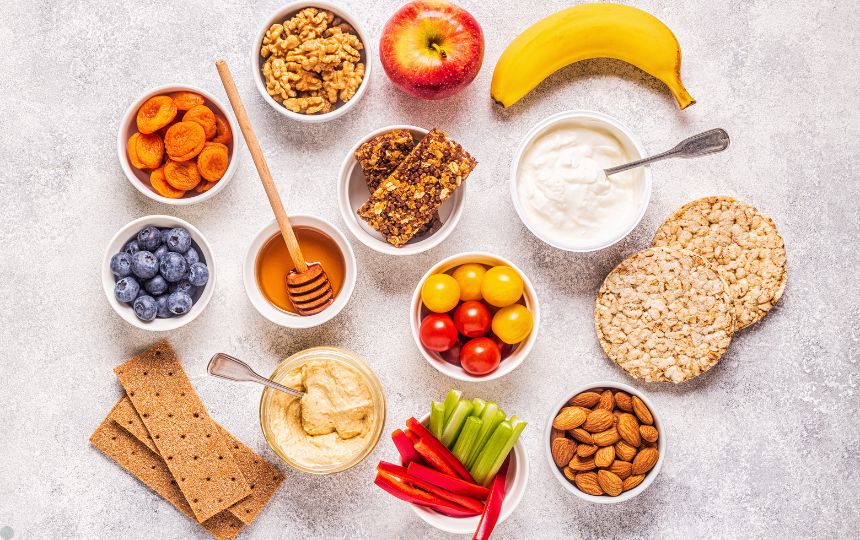
Incorporating healthy snacks into your daily routine can significantly enhance your overall health and well-being. By choosing a variety of nutritious options, such as fresh fruits and vegetables, nuts and seeds, yogurt, whole grains, and healthy smoothies, you can enjoy satisfying and beneficial snacks. Remember to plan ahead, watch portion sizes, combine protein and fiber, and stay hydrated. Avoid common snacking mistakes and make informed choices to support your health goals and maintain a balanced diet.