In today’s health-conscious society, it is becoming increasingly clear that establishing a healthy skin care routine is not just about aesthetic concerns, but also about promoting overall well-being. By understanding the intricate interplay between gut health, digestion, immune support, and natural detoxification, individuals can make informed choices that positively impact their skin’s health. Through a holistic approach that emphasizes dietary modifications, mindful eating practices, and the incorporation of nutrient-rich foods and lifestyle habits, a balanced gut microbiome can be nurtured, digestion can be optimized, and immune support can be bolstered. Additionally, incorporating hydration, exercise, and stress reduction techniques can facilitate natural detoxification. By embracing these interconnected aspects of wellness, individuals can proactively enhance their vitality and resilience, fostering a harmonious relationship between mind, body, and environment for long-term health benefits. In this article, we will explore how to establish a healthy skin care routine that encompasses these vital elements of holistic well-being.
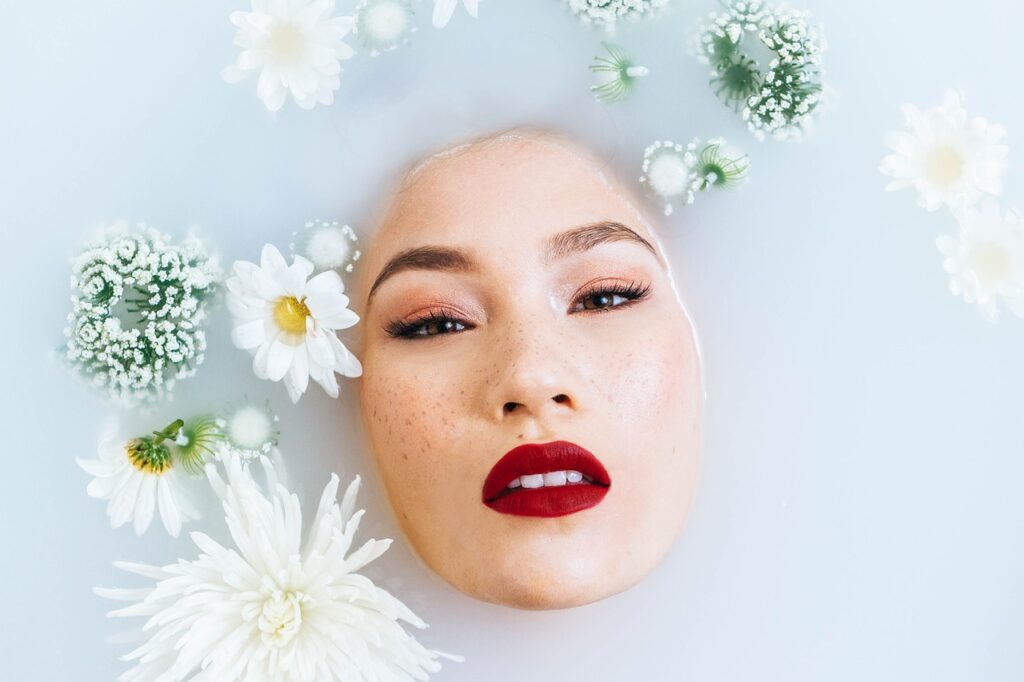
Understanding the Importance of a Healthy Skin Care Routine
Taking care of your skin should be an essential part of your daily routine. Your skin plays a crucial role in your overall health, acting as a protective barrier against external factors such as bacteria, pollution, and harmful UV rays. Maintaining a healthy skin care routine not only helps to keep your skin looking its best, but it also helps to prevent issues such as acne, dryness, and premature aging.
The role of skin in overall health
Your skin is the largest organ in your body, and it performs several vital functions. Firstly, it acts as a barrier, protecting your body from harmful substances and preventing the loss of essential moisture. It also helps to regulate your body temperature and plays a key role in immune defense. Additionally, your skin is responsible for the production of vitamin D, which is essential for strong bones and a healthy immune system. Therefore, it is crucial to prioritize the health of your skin to maintain overall well-being.
Benefits of a healthy skin care routine
A healthy skin care routine offers numerous benefits beyond simply improving the appearance of your skin. When you take care of your skin properly, you can expect to experience:
- Improved skin tone and texture: A consistent skin care routine can help to even out your skin tone, reduce the appearance of blemishes, and promote a smoother texture.
- Reduced signs of aging: By keeping your skin hydrated and protected from the sun, you can minimize the appearance of fine lines, wrinkles, and age spots.
- Prevention of acne and breakouts: Regular cleansing, exfoliating, and moisturizing can help to keep your pores clear and prevent the formation of acne.
- Enhanced confidence: When your skin looks and feels healthy, it can boost your self-esteem and confidence, allowing you to feel comfortable in your own skin.
Incorporating a healthy skin care routine into your daily life is an investment in your long-term skin health and overall well-being.
Identifying Your Skin Type
Before you can establish an effective skin care routine, it is essential to understand your skin type. Different skin types have different needs and require specific products and treatments.
Different skin types
- Normal skin: If you have normal skin, you are fortunate to have well-balanced skin that is neither too oily nor too dry. Your skin feels comfortable and healthy without excessive shine or dry patches.
- Oily skin: People with oily skin tend to have excess sebum production, resulting in a shiny complexion, enlarged pores, and a propensity for acne or breakouts.
- Dry skin: Dry skin often feels tight, rough, and flaky due to the lack of natural oils. It requires extra moisture to keep it hydrated and nourished.
- Combination skin: Combination skin is a combination of oily and dry areas. Typically, the T-zone (forehead, nose, and chin) tends to be oilier, while the cheeks and other areas may be drier.
- Sensitive skin: Sensitive skin is prone to reactions, irritation, and redness. It requires gentle products and careful attention to avoid triggering a negative response.
How to determine your skin type
To determine your skin type, start by washing your face with a mild cleanser and patting it dry. After an hour, observe your skin’s behavior.
- If your skin feels comfortable, balanced, and neither oily nor dry, you likely have normal skin.
- If your skin feels greasy and looks shiny all over, especially in the T-zone, you likely have oily skin.
- If your skin feels tight, dry, and appears flaky, you likely have dry skin.
- If you notice an oily T-zone while the rest of your face feels dry, you likely have combination skin.
- If your skin becomes irritated, red, or stings after washing or applying products, you likely have sensitive skin.
Identifying your skin type will help you select the appropriate products and develop a skin care routine that addresses your unique needs.

Cleansing
Cleansing is the foundation of any effective skin care routine. It helps to remove impurities, excess oil, and dead skin cells, preparing your skin for the next steps in your regimen.
Choosing the right cleanser
When selecting a cleanser, it is crucial to choose one that suits your skin type. For normal or combination skin, a gentle foaming cleanser is a good option. Oily skin benefits from an oil-free or gel cleanser that helps to control excess sebum. Dry or sensitive skin requires a creamy or hydrating cleanser that does not strip away natural oils.
How often to cleanse
It is generally recommended to cleanse your face twice a day – once in the morning and once in the evening. Cleansing in the morning helps to remove any sweat, dead skin cells, and oil that may have accumulated overnight. Evening cleansing is crucial to remove makeup, dirt, and pollutants that have accumulated throughout the day.
Proper cleansing techniques
To cleanse your face effectively, follow these steps:
- Wet your face with lukewarm water.
- Apply a small amount of cleanser to your fingertips or a soft washcloth.
- Gently massage the cleanser onto your face in circular motions, paying extra attention to areas prone to oiliness or congestion.
- Rinse thoroughly with lukewarm water and pat your face dry with a clean towel.
Avoid using hot water, as it can strip your skin of essential oils and cause dryness. Additionally, refrain from scrubbing your face vigorously, as this can irritate your skin.
Exfoliating
Exfoliating is an essential step in any skin care routine, as it helps to remove dead skin cells, unclog pores, and promote cell turnover. However, it is crucial to exfoliate gently and not overdo it, as excessive exfoliation can lead to irritation and dryness.
Benefits of exfoliation
Exfoliation offers several benefits for the skin:
- Smoother texture: Regular exfoliation can help to smooth out rough patches, resulting in a softer and more even complexion.
- Enhanced absorption: By removing dead skin cells, exfoliation allows your other skin care products to penetrate deeper and work more effectively.
- Reduced breakouts: Exfoliating can help to prevent the buildup of oil, dirt, and bacteria that can lead to acne and breakouts.
- Brighter complexion: Exfoliation stimulates cell turnover, revealing fresher, healthier skin and promoting a radiant glow.
Types of exfoliators
There are two main types of exfoliators: physical and chemical.
- Physical exfoliators: Physical exfoliators typically contain granules or particles that physically scrub away dead skin cells when massaged onto the skin. Common physical exfoliators include scrubs, brushes, or loofahs.
- Chemical exfoliators: Chemical exfoliators use acids or enzymes to dissolve or loosen the bonds between dead skin cells, allowing them to be easily sloughed off. Examples of chemical exfoliants include alpha hydroxy acids (AHAs), beta hydroxy acids (BHAs), and enzymes.
The choice between physical and chemical exfoliators depends on your skin type and preference. Physical exfoliators may be too harsh for sensitive skin, while chemical exfoliators may be more suitable. It is best to start with a gentle exfoliator and adjust the frequency based on your skin’s response.
Frequency of exfoliation
The frequency of exfoliation depends on your skin type and the product you are using. Generally, it is recommended to exfoliate once or twice a week. However, if you have sensitive skin, it is advisable to exfoliate less frequently to avoid irritation. It is crucial to listen to your skin and adjust the frequency as needed.

Moisturizing
Moisturizing is a critical step in any skin care routine, regardless of your skin type. It helps to hydrate and nourish your skin, keeping it soft, supple, and healthy.
Importance of moisturization
Moisturizing is essential for several reasons:
- Hydration: Moisturizers act as a barrier, preventing water loss from the skin and maintaining optimal hydration levels.
- Protection: A moisturizer creates a protective layer on the skin, shielding it from external aggressors such as pollution, harsh weather conditions, and UV rays.
- Anti-aging: Proper moisturization helps to plump up the skin, reducing the appearance of fine lines and wrinkles and promoting a youthful complexion.
Even if you have oily skin, it is still crucial to moisturize, as skipping this step can lead to your skin producing more oil to compensate for the lack of hydration.
Choosing the right moisturizer
When selecting a moisturizer, consider the following factors:
- Skin type: Choose a moisturizer that is specifically formulated for your skin type. For oily skin, opt for a lightweight, oil-free moisturizer. Dry skin benefits from richer, more emollient formulas.
- Ingredients: Look for moisturizers that contain ingredients such as hyaluronic acid, glycerin, ceramides, or shea butter, which provide deep hydration and nourishment for the skin.
- SPF protection: If possible, choose a moisturizer with added SPF to provide sun protection and save you an additional step in your routine.
- Allergies or sensitivities: If you have known allergies or sensitivities, ensure that the moisturizer is free from any potential irritants or allergens.
Applying moisturizer correctly
To apply moisturizer effectively, follow these steps:
- Cleanse your face and pat it dry.
- Take a small amount of moisturizer and warm it between your palms to facilitate easier application.
- Gently massage the moisturizer onto your face and neck using upward motions.
- Allow the moisturizer to fully absorb before applying any other products or makeup.
Remember to apply moisturizer both in the morning and evening to maintain optimal hydration throughout the day and night.
Sun Protection
Protecting your skin from the damaging effects of the sun is crucial for maintaining its health and preventing premature aging.
Understanding the effects of sun exposure
Excessive sun exposure can cause a range of issues, including:
- Sunburn: Unprotected exposure to UV rays can result in painful sunburn, which damages the skin and increases the risk of skin cancer.
- Premature aging: The sun’s UV rays can lead to the breakdown of collagen and elastin, resulting in the development of wrinkles, fine lines, and age spots.
- Skin cancer: Prolonged and unprotected sun exposure is a leading cause of skin cancer, including melanoma, the deadliest form of skin cancer.
Choosing the right sunscreen
When selecting a sunscreen, look for the following features:
- Broad-spectrum protection: Choose a sunscreen that offers both UVA and UVB protection to shield your skin from both types of harmful rays.
- SPF rating: Opt for a sunscreen with a minimum SPF of 30. Higher SPF ratings provide added protection.
- Water resistance: If you will be sweating or swimming, ensure that the sunscreen is water-resistant to maintain its effectiveness.
- Non-comedogenic: To avoid clogging your pores, opt for a non-comedogenic sunscreen that is specifically formulated not to cause acne or breakouts.
Applying sunscreen effectively
To apply sunscreen correctly, follow these guidelines:
- Apply sunscreen generously to all exposed areas of your skin at least 15 minutes before sun exposure.
- Reapply sunscreen every two hours or more frequently if you are sweating heavily or swimming.
- Pay extra attention to commonly overlooked areas such as the ears, back of the neck, and the tops of your feet.
Remember that even on cloudy or cooler days, the sun’s harmful rays can still penetrate your skin, so sunscreen should be a part of your daily routine throughout the year.

Treating Specific Skin Concerns
Understanding and addressing specific skin concerns is essential for maintaining a healthy complexion. Here are some tips for treating common skin concerns:
Acne-prone skin
If you have acne-prone skin, it is crucial to incorporate the following steps into your skin care routine:
- Use a gentle cleanser formulated for acne-prone skin to remove excess oil and unclog pores.
- Incorporate salicylic acid or benzoyl peroxide into your routine to control oil production and treat existing acne.
- Avoid picking or squeezing pimples, as this can lead to scarring and further inflammation.
- Use non-comedogenic, oil-free, and lightweight products to prevent further breakouts.
Dry skin
To combat dry skin, try the following:
- Use a creamy cleanser that hydrates while cleansing and does not strip away natural oils.
- Moisturize your skin regularly with a rich, emollient moisturizer to alleviate dryness.
- Avoid hot showers and baths, as hot water can further dry out your skin.
- Consider incorporating hydrating face masks or overnight treatments into your routine to provide additional moisture.
Aging skin
As your skin ages, it requires extra care and attention. Consider the following tips:
- Use anti-aging products that contain ingredients such as retinol, peptides, or antioxidants to target specific signs of aging.
- Protect your skin from the sun by using sunscreen daily and wearing protective clothing, such as wide-brimmed hats and sunglasses.
- Incorporate products with hyaluronic acid to boost hydration and plump up the skin.
- Consider consulting with a dermatologist for additional treatments such as chemical peels or laser resurfacing to address more advanced signs of aging.
Sensitive skin
If you have sensitive skin, it is essential to choose gentle, fragrance-free, and hypoallergenic products. Follow these tips:
- Perform patch tests before introducing new products to your routine to check for any adverse reactions.
- Avoid using harsh scrubs or exfoliators that can irritate the skin.
- Opt for skincare products that specifically target sensitive skin and contain soothing ingredients such as aloe vera or chamomile.
- Consult with a dermatologist to determine any underlying causes of sensitivity and develop a customized plan for managing your skin.
Incorporating Serums and Treatments
Serums and treatments can provide targeted benefits to your skin and enhance the effectiveness of your skin care routine.
Benefits of serums and treatments
Serums and treatments offer specific advantages, depending on their formulation:
- Hydration: Hyaluronic acid serums can provide intense hydration, plumping up the skin and reducing the appearance of fine lines and wrinkles.
- Brightening: Vitamin C serums can help to brighten the skin, fade dark spots, and even out skin tone.
- Anti-aging: Retinol-based treatments can help to stimulate collagen production, reducing the appearance of wrinkles and promoting a youthful complexion.
- Acne treatment: Serums containing ingredients like tea tree oil or niacinamide can help to control oil production and reduce acne-causing bacteria.
Choosing the right products
When selecting serums and treatments, consider the following factors:
- Ingredients: Look for products that contain active ingredients that address your specific concerns.
- Formulation: Consider the texture and consistency of the product to ensure it is compatible with your skin type.
- Compatibility: Ensure the serums and treatments you choose can be safely used in conjunction with your other skincare products.
How to apply serums and treatments
To apply serums and treatments effectively, follow these steps:
- Cleanse and tone your face as usual.
- Apply a small amount of the serum or treatment to your fingertips.
- Gently massage the product into your skin using upward motions, focusing on areas of concern.
- Allow the product to absorb fully before proceeding with moisturizer or sunscreen.
Remember to follow the specific instructions provided by each product, as some may require specific application techniques or timeframes.

Maintaining a Healthy Lifestyle for Skin Health
In addition to a proper skin care routine, adopting a healthy lifestyle can significantly contribute to the health and appearance of your skin.
The role of diet in skin health
Eating a balanced diet rich in fruits, vegetables, whole grains, lean proteins, and healthy fats provides your skin with essential nutrients and antioxidants. These nutrients help to support collagen production, promote skin elasticity, and protect against oxidative damage. Additionally, certain foods, such as those high in omega-3 fatty acids or vitamins A, C, and E, have been shown to have specific benefits for the skin. Incorporate these foods into your diet to support skin health and overall well-being.
Importance of hydration
Proper hydration is crucial for maintaining healthy skin. When your body is dehydrated, your skin can become dry, dull, and more prone to irritation. Aim to drink at least eight glasses of water per day and increase your intake during hot weather or when engaged in physical activity. Additionally, hydrating your skin externally through the use of moisturizers and hydrating serums can further support its health and appearance.
Exercising for skin health
Regular exercise offers numerous benefits for your skin. When you exercise, blood circulation improves, delivering oxygen and nutrients to your skin cells, promoting a healthy glow. Exercise also helps to reduce stress, which can contribute to various skin issues such as acne, eczema, or psoriasis. Aim for at least 30 minutes of moderate-intensity exercise most days of the week to experience the positive effects on your skin.
Managing stress for better skin
Stress can have a significant impact on your skin’s health. When you are stressed, your body releases stress hormones, which can trigger inflammation and exacerbate existing skin conditions. Finding healthy ways to manage stress, such as practicing mindfulness techniques, engaging in regular exercise, or pursuing hobbies, can greatly benefit your skin. Incorporate stress-management techniques into your daily routine to help promote a healthy and radiant complexion.
Seeking Professional Advice
While establishing and maintaining a healthy skin care routine is essential, there may be times when you require professional advice and expertise.
When to consult a dermatologist
You should consider consulting a dermatologist for the following reasons:
- Persistent skin concerns: If you have long-standing or recurring skin issues that do not improve with over-the-counter treatments, a dermatologist can provide a diagnosis and develop a customized treatment plan.
- Skin cancer screenings: Regular skin cancer screenings can help to detect any suspicious moles or skin abnormalities early, increasing the chances of successful treatment.
- Prescription skincare: If your skin concerns require prescription-strength treatments, a dermatologist can provide the necessary medications or procedures to address your specific needs.
Choosing the right skincare professional
When seeking professional advice or treatments, it is crucial to choose a qualified and reputable skincare professional. Look for the following:
- Board certification: Ensure that the professional you choose is board-certified in dermatology or a related field.
- Experience and expertise: Consider the professional’s experience and expertise in treating your specific skin concerns.
- Referrals and reviews: Seek recommendations from trusted sources or read reviews from previous patients to gauge the professional’s reputation and patient satisfaction.
By consulting with a skincare professional, you can receive personalized guidance and treatments that address your unique skin concerns effectively.
In conclusion, establishing and maintaining a healthy skin care routine is essential for the overall health and appearance of your skin. Understanding your skin type, choosing the right products, and following proper cleansing, exfoliating, moisturizing, and sun protection techniques are key steps in achieving healthy and vibrant skin. By incorporating serums and treatments, adopting a healthy lifestyle, and seeking professional advice when needed, you can further enhance your skin’s well-being. Remember, your skin is a reflection of your overall health, and investing time and effort into its care will yield long-term benefits for your well-being and self-confidence.