Grocery shopping can significantly impact your overall health, as the choices you make in the store lay the foundation for your meals and snacks. With the right strategies, you can navigate the aisles effectively and make choices that support your well-being. This guide provides actionable tips to help you shop smartly for a healthier lifestyle.

1. Plan Your Meals in Advance
Meal Planning: The Key to Success
Before heading to the grocery store, take some time to plan your meals for the week. A well-thought-out meal plan helps you make better food choices and reduces the likelihood of impulse buys. Include a variety of fruits, vegetables, lean proteins, whole grains, and healthy fats in your meal plan.
Create a Shopping List
Once you’ve planned your meals, create a shopping list based on the ingredients you’ll need. Stick to the list to avoid purchasing unnecessary items and to stay focused on buying healthy foods.
2. Shop the Perimeter of the Store
Focus on Fresh Produce
Most grocery stores are organized with fresh produce, dairy, and meats around the perimeter, while processed foods are found in the middle aisles. Start your shopping trip in these outer sections to prioritize fresh fruits and vegetables, lean proteins, and dairy products.
Minimize Processed Foods
Processed foods, often found in the middle aisles, can be high in unhealthy fats, sugars, and sodium. While you might need to venture into these aisles for certain items, limit your purchase of processed foods and opt for whole, natural alternatives whenever possible.
3. Read Nutrition Labels Carefully
Understand Serving Sizes
Nutrition labels provide valuable information about the foods you’re considering. Pay attention to serving sizes to understand how many servings are in a package and how that impacts your overall intake.
Watch for Hidden Ingredients
Be cautious of added sugars, unhealthy fats, and high sodium content. Look for foods with short ingredient lists and avoid items with excessive amounts of artificial additives and preservatives.
4. Choose Whole Grains Over Refined Grains
Benefits of Whole Grains
Whole grains, such as brown rice, quinoa, and whole-wheat products, offer more fiber, vitamins, and minerals compared to refined grains. Incorporate these into your diet to promote better digestive health and sustained energy levels.
Check Labels for Whole Grains
Ensure that whole grains are listed as the first ingredient on packaging. Terms like “whole wheat,” “brown rice,” and “quinoa” indicate that the product is a good source of whole grains.
5. Opt for Lean Proteins
Healthy Protein Sources
Include lean protein sources in your grocery list, such as chicken breast, fish, tofu, and legumes. These options provide essential amino acids without excessive saturated fats.
Incorporate Plant-Based Proteins
Plant-based proteins, like beans, lentils, and nuts, are not only nutritious but also support heart health. Consider adding these to your diet for variety and additional health benefits.
6. Embrace Seasonal and Local Produce
Advantages of Seasonal Produce
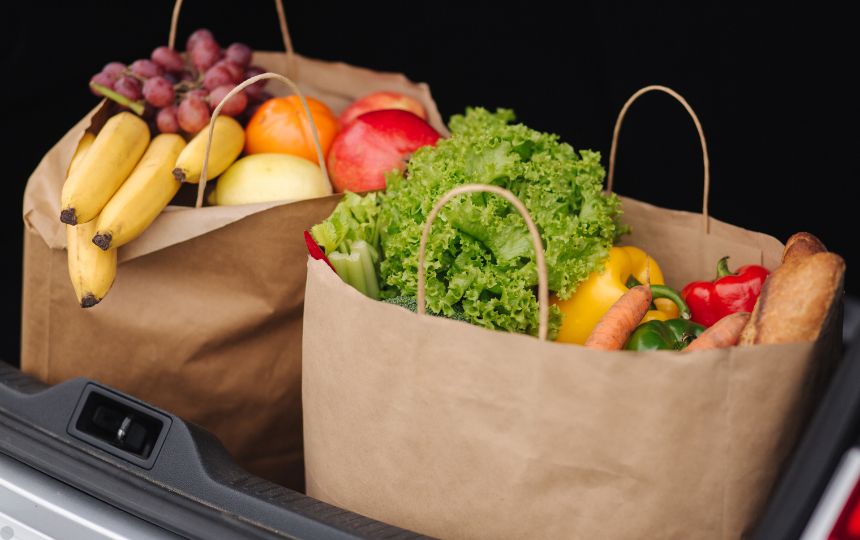
Seasonal fruits and vegetables are often fresher, more flavorful, and less expensive than out-of-season produce. They also have a smaller environmental footprint.
Support Local Farmers
Local produce can be a great way to support community farmers and enjoy fresher, more nutrient-dense foods. Check for farmers’ markets or local produce sections in your grocery store.
7. Stay Hydrated
Importance of Hydration
While not always the main focus of grocery shopping, ensuring you have access to plenty of water is crucial for overall health. Include bottled water or a water filter in your shopping list if necessary.
Hydrating Foods
Incorporate water-rich foods like cucumbers, watermelon, and celery into your diet to boost hydration levels naturally.
8. Avoid Shopping When Hungry
Impact on Food Choices
Shopping on an empty stomach can lead to impulse buying and poor food choices. Eat a balanced meal or snack before going to the store to help you make more thoughtful decisions.

Healthy grocery shopping is about making informed choices that support your overall well-being. By planning your meals, focusing on fresh produce, reading labels, and opting for whole grains and lean proteins, you can set yourself up for success in maintaining a balanced diet. Remember, the goal is to create a shopping routine that aligns with your health goals and enhances your quality of life.