Understanding Wheatgrass
Wheatgrass is a powerful superfood that offers numerous health benefits, particularly for oral health. Rich in amino acids, it supports cell regeneration and growth, making it a complete protein source. Regular consumption of wheatgrass can significantly enhance the immune system while also aiding digestion and reducing inflammation. Its extensive nutrient profile positions wheatgrass as a valuable addition to any diet, potentially lowering the risk of certain cancers.
Combatting Tooth Decay
Chlorophyll, a prominent component of wheatgrass, possesses strong antibacterial properties. Regular intake of wheatgrass can inhibit the growth of Streptococcus mutans, the bacteria primarily responsible for tooth decay. These bacteria thrive on food particles left in the mouth after meals, leading to the formation of dental cavities.
Chlorophyll: A Natural Defense
Wheatgrass serves as an excellent source of chlorophyll, which is known to eliminate harmful bacteria. Scientific studies have indicated that oral Streptococcus mutans is a major contributor to tooth decay. Rinsing with wheatgrass-based mouthwash can effectively reduce these bacteria, promoting better oral health.
Fighting Bad Breath
The antibacterial characteristics of wheatgrass also play a crucial role in combating halitosis, commonly known as bad breath. Poor oral hygiene leads to the proliferation of bacteria that produce sulfur compounds, resulting in unpleasant odors. Wheatgrass’s antibacterial action helps eradicate these bacteria, making it an effective natural remedy for bad breath.
Addressing Receding Gums
Wheatgrass is beneficial in slowing the progression of periodontal disease, a significant cause of receding gums, also referred to as gingival recession. This condition exposes the roots of teeth due to gum disease. Wheatgrass is packed with vitamins, antioxidants, and chlorophyll, all of which contribute to combating periodontal disease. Additionally, the vitamin E found in wheatgrass acts as a natural anti-inflammatory, reducing gum inflammation.
How to Incorporate Wheatgrass for Oral Health
There are several effective ways to use wheatgrass for maintaining oral health:
- Chewing Fresh Wheatgrass: Freshly harvested wheatgrass not only benefits your teeth and gums but also provides chlorophyll and antioxidants. Its fibrous texture helps dislodge food particles stuck between teeth.
- Wheatgrass Juice: Swishing wheatgrass juice in your mouth can help eliminate harmful bacteria. For optimal nutrient absorption, avoid consuming it on an empty stomach.
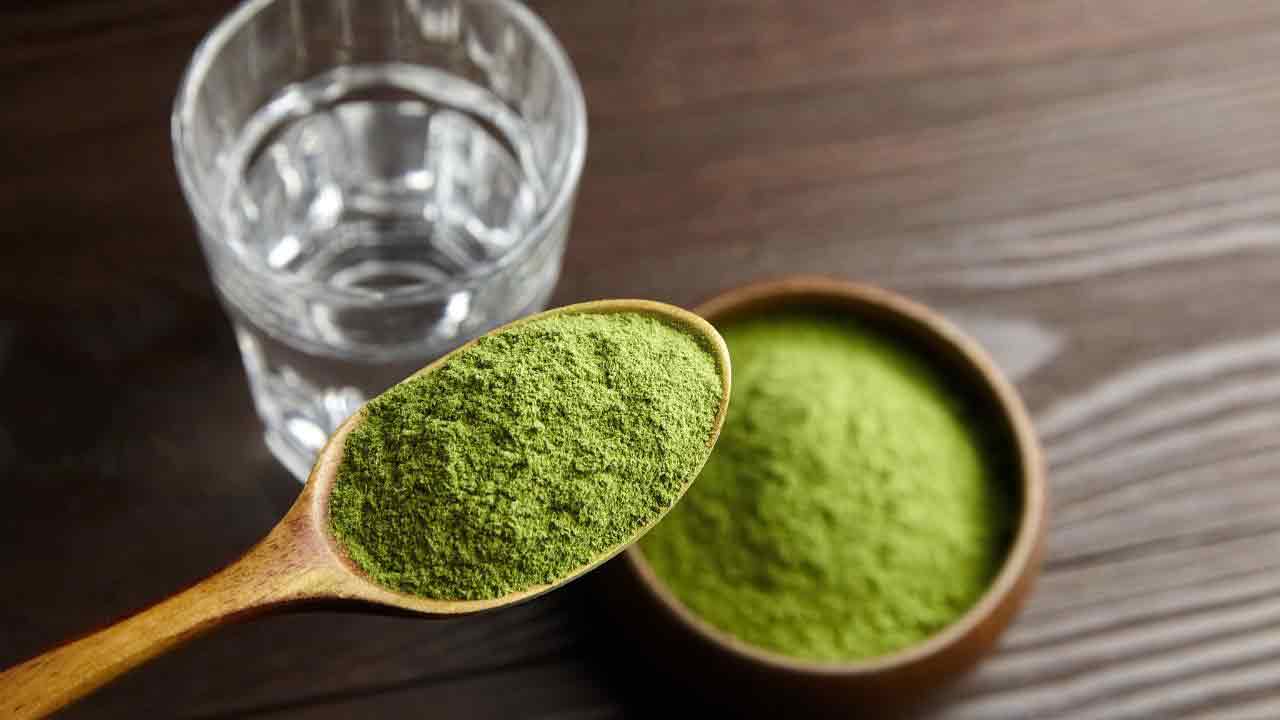
- Wheatgrass Powder: Wheatgrass powder offers similar benefits to wheatgrass juice in a more concentrated form. Mixing a teaspoon of wheatgrass powder with water creates an effective mouthwash. Consistency in use yields the best results!
Exploring Barley Grass
Another remarkable grass is barley grass, known for its extensive health benefits. It is an excellent source of vitamin C and other essential nutrients. Young barley plants produce barley grass, often referred to as barley greens. This nutrient-dense option can be incorporated into salads and smoothies, providing a delicious source of fiber.
Barley grass is rich in fiber, containing 45% protein and nearly a thousand enzymes that help regulate bodily functions. This superfood, available in powder form at pharmacies, can boost immunity, reduce inflammation, and lower blood sugar levels. Adding a cup of wheatgrass juice to a smoothie can account for up to seventy-five percent of your daily nutrient requirements!
For more insights on health benefits, check out our previous article on Pineapple Juice Benefits.