In today’s health-conscious society, understanding the intricate interplay between gut health, digestion, immune support, and natural detoxification is paramount for overall well-being. A holistic approach to health emphasizes nurturing a balanced gut microbiome through dietary modifications and probiotics, optimizing digestion through mindful eating practices and digestive aids, bolstering immune support with nutrient-rich foods and lifestyle habits, and facilitating natural detoxification through hydration, exercise, and stress reduction. By embracing these interconnected aspects of wellness, individuals can proactively enhance their vitality and resilience, fostering a harmonious relationship between mind, body, and environment for long-term health benefits. This article will provide you with valuable insights on how to boost your gut health with probiotic-rich foods, offering practical tips and guidance for improving your overall well-being.
Choosing Probiotic-rich Foods
Understanding Probiotics
Probiotics are live bacteria and yeasts that are beneficial for your gut health. They are often referred to as “good bacteria” because they help maintain the balance of microorganisms in your digestive system. These microorganisms play a crucial role in supporting digestion, enhancing nutrient absorption, and strengthening the immune system. Probiotics can also help alleviate symptoms of digestive disorders such as irritable bowel syndrome and promote overall gut wellness.
Identifying Probiotic-rich Foods
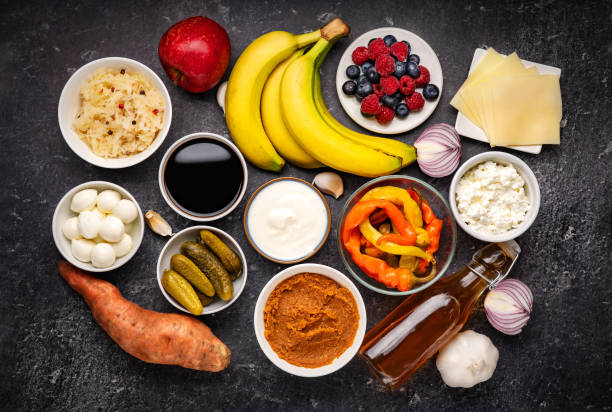
Probiotic-rich foods are those that contain live bacteria or yeasts that provide health benefits when consumed. Some of the common probiotic-rich foods include yogurt, kefir, sauerkraut, kimchi, pickles, miso, tempeh, and kombucha. These foods undergo a fermentation process, where beneficial microorganisms convert sugars into beneficial compounds such as lactic acid, which give these foods their characteristic tangy flavors. Incorporating these probiotic-rich foods into your diet can help replenish and maintain a healthy balance of gut bacteria.
Reading Food Labels for Probiotic Content
When looking for probiotic-rich foods, it’s important to read food labels carefully. Look for terms like “live and active cultures” or “contains probiotics” on the packaging. These labels indicate that the product contains beneficial live bacteria that can support gut health. Additionally, check the ingredients list to see if specific strains of bacteria or yeasts, such as Lactobacillus or Bifidobacterium, are mentioned. The higher the number of live bacteria mentioned in the label, the more potent the probiotic content of the food.
Fermented Foods for Gut Health
Exploring Fermented Foods
Fermentation is a natural process that has been used for centuries to preserve food and enhance its flavor. Fermented foods are created by letting beneficial bacteria or yeasts break down the sugars in food, creating an environment that promotes the growth of natural probiotics. Some examples of fermented foods include yogurt, kefir, sauerkraut, kimchi, pickles, miso, tempeh, and kombucha. These foods not only provide probiotics but also offer a wide range of other health benefits.
Benefits of Fermented Foods for Gut Health
Consuming fermented foods can have numerous benefits for gut health. The probiotics present in these foods help restore the balance of healthy bacteria in the gut, which is essential for proper digestion and nutrient absorption. Additionally, fermented foods can increase the production of certain vitamins and enzymes, improve immune function, and reduce inflammation in the gut. The high fiber content in some fermented foods also supports regular bowel movements and overall digestive health.
Incorporating Fermented Foods into Your Diet
Incorporating fermented foods into your diet is a simple and delicious way to boost your gut health. Start by adding a serving of yogurt or kefir to your breakfast routine. You can also enjoy sauerkraut or kimchi as a side dish with your meals. If you’re feeling adventurous, try miso or tempeh in soups or stir-fries. And for a refreshing beverage, opt for a glass of kombucha. Experiment with different flavors and varieties to find what you enjoy the most.
Yogurt and Kefir as Probiotic Powerhouses
Health Benefits of Yogurt and Kefir
Yogurt and kefir are two of the most popular and widely available probiotic-rich foods. These dairy products are fermented using specific strains of bacteria, such as Lactobacillus and Bifidobacterium. Consuming yogurt and kefir regularly can help maintain a healthy balance of gut bacteria and provide several health benefits. These include improved digestion, enhanced immune function, reduced inflammation, and even potential weight management benefits.
Choosing the Right Yogurt and Kefir Products
When selecting yogurt and kefir products, it’s important to choose those that contain live and active cultures. Look for plain varieties without added sugars or artificial flavors. Greek yogurt is a good option as it typically has a higher protein content. Opt for full-fat or low-fat options instead of non-fat, as the fat can help with nutrient absorption. With kefir, you can choose between dairy-based and non-dairy options, depending on your dietary preferences. Just make sure it contains live bacteria cultures.
Creative Ways to Use Yogurt and Kefir
Yogurt and kefir are versatile ingredients that can be incorporated into a variety of dishes. Use yogurt as a base for smoothies, adding fruits and vegetables for a nutritious and probiotic-rich beverage. You can also use yogurt as a substitute for sour cream or mayo in recipes, or as a topping for baked goods and desserts. Kefir can be enjoyed as a refreshing beverage on its own or used in place of milk in recipes such as pancakes or muffins. Get creative and experiment with different flavors and combinations to find what suits your taste preferences.
Sauerkraut and Kimchi for Gut Wellness
The Role of Sauerkraut and Kimchi in Gut Health
Sauerkraut and kimchi are traditional fermented foods that have been enjoyed for centuries across different cultures. Sauerkraut is made by fermenting cabbage, while kimchi is a spicy Korean dish made from a variety of vegetables. Both sauerkraut and kimchi are rich in beneficial bacteria and provide numerous health benefits for gut wellness. Regular consumption of these fermented foods can aid digestion, promote the growth of healthy gut bacteria, and support a healthy immune system.
Varieties and Nutritional Benefits
Sauerkraut and kimchi are available in various varieties, each with its own unique flavors and nutritional benefits. Sauerkraut can be made from different types of cabbage or even mixed with other vegetables like carrots or onions. It is a good source of vitamins C and K, as well as dietary fiber. Kimchi, on the other hand, typically includes ingredients like cabbage, radishes, onions, garlic, and chili peppers. It is rich in vitamins A and C and contains antioxidants that can help reduce inflammation in the body.
Incorporating Sauerkraut and Kimchi into Your Meals
Sauerkraut and kimchi can be enjoyed as a condiment to complement a wide range of dishes. Add a spoonful of sauerkraut to sandwiches, hot dogs, or grilled meats for a tangy and probiotic boost. Kimchi can be served as a side dish with rice or noodles, or you can get creative and incorporate it into recipes like stir-fries, soups, or omelets. Experiment with different preparations and flavors to add a touch of fermented goodness to your meals.

The Power of Pickles and Brines
The Gut-friendly Properties of Pickles and Brines
Pickles are cucumbers that have been soaked in a brine solution, which is typically made from water, vinegar, salt, and sometimes herbs or spices. The soaking process allows the cucumbers to ferment and develop a sour and tangy flavor. Pickles and their brines contain beneficial bacteria and enzymes that can support gut health. They can help improve digestion, relieve bloating and indigestion, and promote a healthy balance of gut bacteria.
Different Types of Pickles and Brines to Consider
When it comes to pickles, there are various types to choose from. Traditional dill pickles are a classic option, but you can also find pickles made from other vegetables like carrots, beets, or peppers. Look for pickles that are made using a natural fermentation process and avoid those that are heavily processed or contain artificial preservatives. Additionally, consider trying other types of fermented foods like pickled sauerkraut or pickled kimchi to add more variety to your probiotic-rich diet.
Incorporating Pickles and Brines into Your Diet
Pickles can be enjoyed as a tasty snack on their own or added to sandwiches, burgers, or salads for a tangy kick. You can also chop them up and mix them into tuna or chicken salad for added flavor and probiotic benefits. The brine from pickles can be used in salad dressings or marinades for a unique twist. Get creative and experiment with different ways to incorporate pickles and their brines into your meals to enhance your gut health.
Misunderstood Miso and Tempeh
Probiotic Benefits of Miso and Tempeh
Miso and tempeh are fermented soybean products that are commonly used in Asian cuisine. They have a distinct flavor and are rich in probiotics, as well as other beneficial compounds. Miso is a paste made from fermented soybeans, grains, and salt. It is commonly used as a base for soups and sauces. Tempeh, on the other hand, is made from fermented soybeans that are pressed into a compact cake. It has a nutty flavor and a firm texture that makes it an excellent meat substitute.
How to Incorporate Miso and Tempeh into Your Meals
Miso can be used as a base for miso soup, a traditional Japanese dish packed with flavor and probiotic goodness. You can also mix miso with other ingredients like vinegar, oil, and herbs to create dressings or marinades for vegetables or proteins. Tempeh can be marinated and grilled, sautéed with vegetables, or crumbled and used as a filling for tacos or wraps. The versatility of miso and tempeh makes them a great addition to your probiotic-rich diet.
Choosing Quality Miso and Tempeh Products
When selecting miso and tempeh products, opt for organic varieties whenever possible. Organic products are free from synthetic pesticides and fertilizers, ensuring that you are consuming a cleaner and more natural product. Additionally, choose miso and tempeh that are made from non-GMO soybeans to further enhance the quality and health benefits of these probiotic powerhouses.
Boosting Gut Health with Kombucha
Understanding the Benefits of Kombucha
Kombucha is a fermented tea that is made by adding a culture of bacteria and yeast to sweetened green or black tea. The fermentation process produces a tangy and slightly effervescent beverage that is rich in probiotics and antioxidants. Kombucha has been consumed for centuries and is believed to have numerous health benefits. Regular consumption of kombucha can help support gut health, boost the immune system, improve digestion, and promote detoxification.
Choosing the Right Kombucha Brand
When choosing kombucha, look for brands that use organic ingredients and have minimal added sugars. Read the labels carefully to ensure that the brand uses a natural fermentation process and that their product contains live and active cultures. Additionally, consider the flavor options available and choose ones that you enjoy. Kombucha can have a wide range of flavor profiles, so experiment with different brands and flavors to find your favorite.
Incorporating Kombucha into Your Routine
Incorporating kombucha into your routine is as simple as enjoying a glass or two each day. You can drink kombucha on its own as a refreshing beverage or use it as a base for smoothies or mocktails. Some people even use kombucha as a replacement for vinegar or other acidic ingredients in cooking. Just be mindful of the alcohol content in kombucha, as some brands may have trace amounts due to the fermentation process.
Supplementing with Probiotics
When to Consider Probiotic Supplements
While incorporating probiotic-rich foods into your diet is generally recommended, there are certain situations where probiotic supplements may be beneficial. If you have specific digestive issues such as irritable bowel syndrome, inflammatory bowel disease, or chronic constipation, you may benefit from a targeted probiotic supplement. Additionally, if you have recently taken antibiotics or have a weakened immune system, supplementing with probiotics can help restore the balance of gut bacteria.
Different Types of Probiotic Supplements
Probiotic supplements come in various forms, including capsules, tablets, powders, and even chewable gummies. Each form has its advantages, so choose one that suits your preferences and lifestyle. Look for supplements that contain a variety of strains of bacteria or yeasts, as different strains offer different health benefits. It’s also important to store probiotic supplements properly, as some strains are sensitive to heat and moisture.
Tips for Choosing and Using Probiotic Supplements
When choosing a probiotic supplement, it’s important to opt for a reputable brand that undergoes third-party testing for quality and potency. Look for supplements that have a high number of colony-forming units (CFUs), ideally in the billions. Start with a lower dose and gradually increase it to allow your body to adjust. Take your probiotic supplement with food to enhance its effectiveness and minimize any potential digestive discomfort. Remember to consult with a healthcare professional before starting any new supplement regimen.

Other Probiotic-rich Foods to Explore
Exploring Probiotic-rich Beverages
In addition to kombucha, there are other probiotic-rich beverages that you can incorporate into your diet. These include dairy and non-dairy kefir, traditional fermented buttermilk, and fermented vegetable juices like beet kvass. These beverages not only provide probiotics but also offer hydration and refreshing flavors. Explore different options and flavors to find the ones that suit your taste preferences and dietary needs.
Trying Out Probiotic-rich Snacks
Probiotic-rich snacks can be a convenient way to boost your gut health on the go. Look for snack options like probiotic yogurt cups, kombucha gummies, fermented vegetables, or cultured nuts and seeds. These snacks provide a tasty and portable way to incorporate probiotics into your daily routine. Just be mindful of added sugars and artificial ingredients, and opt for healthier snack alternatives whenever possible.
Incorporating Probiotic-rich Ingredients into Recipes
If you enjoy cooking and experimenting with new flavors, incorporating probiotic-rich ingredients into your recipes can be a fun and delicious way to boost your gut health. Use yogurt or kefir as a base for dressings, marinades, or sauces. Add sauerkraut or kimchi to salads, wraps, or grain bowls for an extra probiotic punch. You can even make your own fermented foods at home, such as pickles or homemade kombucha. The possibilities are endless, so let your creativity shine in the kitchen.
Balancing Gut Health with Prebiotics
Understanding the Role of Prebiotics
Prebiotics are types of dietary fibers that serve as food for the beneficial bacteria in your gut. While probiotics introduce good bacteria into the gut, prebiotics help nourish and support the growth of these beneficial bacteria. They act as a fertilizer for the probiotics, ensuring that they thrive in your gut. Consuming prebiotic-rich foods alongside probiotic-rich foods can help create a harmonious environment for a healthy gut microbiome.
Identifying Prebiotic-rich Foods
Prebiotic-rich foods are typically high in fiber and contain carbohydrates that cannot be digested by the human body. Some examples of prebiotic-rich foods include onions, garlic, leeks, asparagus, bananas, oats, and flaxseeds. These foods can provide a range of health benefits, including improved digestion, increased production of short-chain fatty acids, and enhanced absorption of minerals.
Combining Probiotics and Prebiotics for Optimal Gut Health
To optimize your gut health, it’s important to combine probiotics and prebiotics in your diet. Probiotic-rich foods provide the beneficial bacteria, while prebiotic-rich foods provide the nourishment these bacteria need to thrive. This combination can help improve overall gut wellness, enhance digestion, and support a strong immune system. Consider incorporating probiotic-rich foods and prebiotic-rich foods into your meals and snacks to create a well-rounded approach to gut health.
In conclusion, choosing probiotic-rich foods can significantly boost your gut health and overall well-being. From fermented foods like yogurt, kefir, sauerkraut, and kimchi to pickles, miso, tempeh, and kombucha, there is a wide variety of options to explore. By understanding the benefits of these foods, choosing quality products, and incorporating them into your diet in creative ways, you can support a healthy gut microbiome and enjoy the numerous health benefits that come with it. Don’t forget to also consider prebiotic-rich foods to further optimize your gut health. With a holistic approach to gut wellness, you can nourish your body from the inside out and cultivate long-term health and vitality.