Glyphosate, the active ingredient in many herbicides, including the widely used Roundup, has been a topic of growing concern among health experts and parents alike. Its presence in our food supply, particularly in children’s cereals, raises significant alarm. This article delves into the dangers of glyphosate, its presence in cereals, and the potential health risks for children.
What is Glyphosate?
History and Use of Glyphosate
Glyphosate was first introduced by Monsanto in the 1970s as a broad-spectrum herbicide. It is now one of the most widely used herbicides in the world, employed in agriculture to kill weeds and other unwanted vegetation. Its effectiveness has led to its widespread use in farming, making it a ubiquitous presence in our food supply.
How Glyphosate Works
Glyphosate works by inhibiting a specific enzyme pathway necessary for plants’ growth, effectively killing them. While it is efficient in weed control, this mechanism also poses a risk to other non-target plants and organisms, leading to concerns about its broader environmental impact.

Glyphosate in Children’s Cereals
Detection of Glyphosate Residues
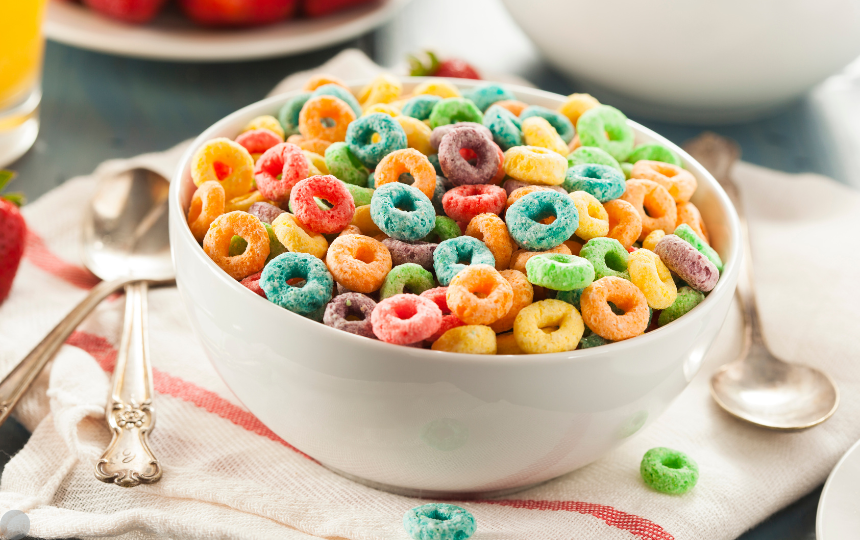
Several studies and independent tests have found traces of glyphosate in popular children’s cereals. These findings are troubling, considering the potential health risks associated with prolonged exposure to glyphosate, especially for children whose bodies and immune systems are still developing.
How Glyphosate Contaminates Cereals
Glyphosate can enter the cereal supply chain through various means. It is often used on crops like oats and wheat, which are key ingredients in many cereals. Additionally, glyphosate is sometimes sprayed on crops shortly before harvest to dry them out, a practice known as desiccation. This increases the likelihood of residue ending up in the final product.

Health Risks Associated with Glyphosate
Impact on Children’s Health
Children are particularly vulnerable to the harmful effects of glyphosate. Studies have shown that even low levels of exposure can disrupt their endocrine system, which regulates hormones responsible for growth and development. Other potential health risks include developmental delays, behavioral issues, and an increased risk of certain cancers.
Scientific Studies and Findings
Numerous scientific studies have linked glyphosate exposure to a range of health issues. The International Agency for Research on Cancer (IARC), a branch of the World Health Organization, classified glyphosate as a probable human carcinogen in 2015. Subsequent research has supported these findings, indicating a potential link between glyphosate and non-Hodgkin lymphoma, among other health concerns.
Regulatory and Legal Landscape
Current Regulations
Regulations regarding glyphosate use vary widely by country. In the United States, the Environmental Protection Agency (EPA) has set limits on the amount of glyphosate that can be present in food. However, these limits have been criticized as being too lenient, particularly in light of recent research findings.
Legal Actions and Bans
There have been numerous lawsuits against companies producing glyphosate-based herbicides, with plaintiffs claiming that exposure led to cancer and other health issues. Some countries and regions have gone a step further, implementing bans or severe restrictions on glyphosate use to protect public health.
What Can Parents Do?
Choosing Safer Alternatives
Parents can take several steps to reduce their children’s exposure to glyphosate. Opting for organic cereals, which are grown without synthetic pesticides and herbicides, is one effective strategy. Additionally, parents can prioritize whole foods over processed ones, as processing can sometimes concentrate pesticide residues.
Advocacy and Awareness
Raising awareness about the dangers of glyphosate and advocating for stricter regulations can also make a difference. Parents can join or support organizations that are working to reduce or eliminate the use of harmful chemicals in our food supply.
The presence of glyphosate in children’s cereals is a significant health concern that warrants attention from both parents and regulatory bodies. By understanding the risks and taking proactive steps, we can better protect our children’s health and advocate for a safer food supply.