Bath towels are an essential part of our daily hygiene routine. We use them to dry off after showers, baths, and hand washing, but how often do we think about their cleanliness? Could these seemingly harmless household items be compromising our health? In this article, we will explore the potential health risks associated with bath towels and provide tips on how to maintain them for optimal hygiene.
Bath towels are a breeding ground for bacteria, mold, and mildew. Despite their importance in our daily routine, they are often overlooked when it comes to cleanliness. Understanding the potential health risks and how to mitigate them is crucial for maintaining a healthy home environment.

The Science Behind Towel Hygiene
Bath towels are designed to absorb moisture, which makes them a perfect environment for bacteria and mold growth. When you dry off with a towel, you transfer dead skin cells, sweat, and bacteria from your body onto the fabric. In a warm, damp bathroom, these microorganisms can multiply rapidly.
Keywords: bath towels, bacteria, mold, hygiene, health risks
- Bacterial Contamination: Studies have shown that bath towels can harbor a variety of bacteria, including E. coli and Staphylococcus aureus. These bacteria can cause skin infections, especially if you have cuts or abrasions.
- Mold and Mildew: Towels that are not properly dried can develop mold and mildew, which can trigger allergies and respiratory issues.
Potential Health Risks
- Skin Infections: Using a contaminated towel can lead to skin infections such as folliculitis, impetigo, and even fungal infections like athlete’s foot.
- Respiratory Issues: Mold spores from damp towels can become airborne and be inhaled, potentially causing respiratory problems, especially in individuals with asthma or allergies.
- Gastrointestinal Illnesses: Towels contaminated with fecal bacteria can pose a risk of gastrointestinal illnesses if the bacteria are transferred to your mouth or food.

How to Maintain Towel Hygiene
To minimize the health risks associated with bath towels, follow these hygiene practices:
- Wash Towels Regularly: Towels should be washed after every three uses or more frequently if they develop an odor. Use hot water and a good quality detergent to kill bacteria and remove dirt.
- Dry Towels Properly: Ensure towels are completely dry before folding and storing them. Use a dryer on a high heat setting or hang them in a well-ventilated area.
- Avoid Sharing Towels: Sharing towels can spread bacteria and viruses. Each family member should have their own set of towels.
- Use Anti-Bacterial Products: Consider using laundry detergents or additives that are specifically designed to kill bacteria.
- Replace Towels Periodically: Even with proper care, towels should be replaced every one to two years to ensure they remain effective and hygienic.
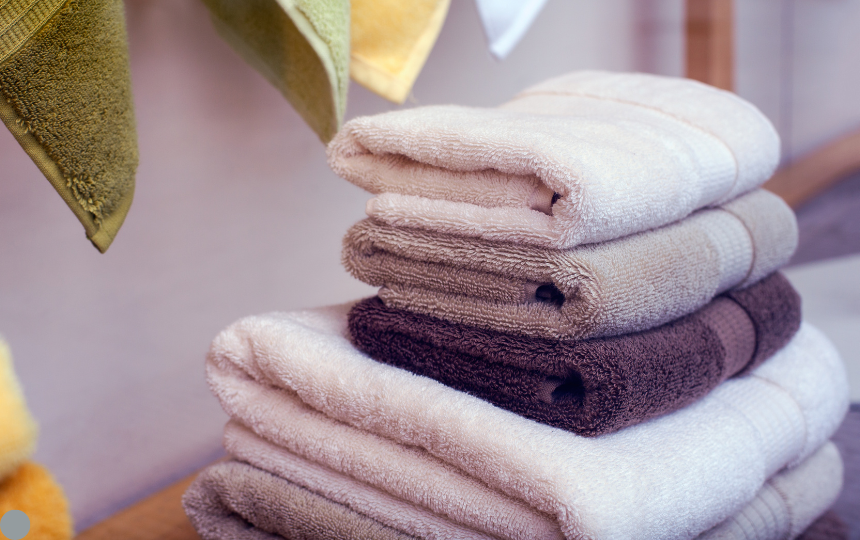
Bath towels play a crucial role in our hygiene routines, but they can also pose significant health risks if not properly maintained. By understanding the science behind towel hygiene and implementing good practices, you can ensure that your towels remain clean and safe for use. Regular washing, proper drying, and avoiding towel sharing are key steps in preventing bacterial and mold growth, ultimately protecting your health.