Everyday Superfoods for Better Digestion. Digestion is a complex process that starts the moment you take a bite of food and continues until the nutrients are absorbed and waste is eliminated. When digestion runs smoothly, we feel energized, regular, and comfortable. However, many people experience occasional or frequent digestive issues like bloating, gas, constipation, or diarrhea. These problems can be unpleasant and disrupt daily life.
The good news is that incorporating certain everyday superfoods into your diet can significantly improve your digestion and promote a healthy gut. These superfoods are packed with essential nutrients that not only nourish your body but also support the trillions of bacteria living in your gut microbiome. This delicate ecosystem of microorganisms plays a crucial role in digestion, nutrient absorption, immune function, and even mental health.
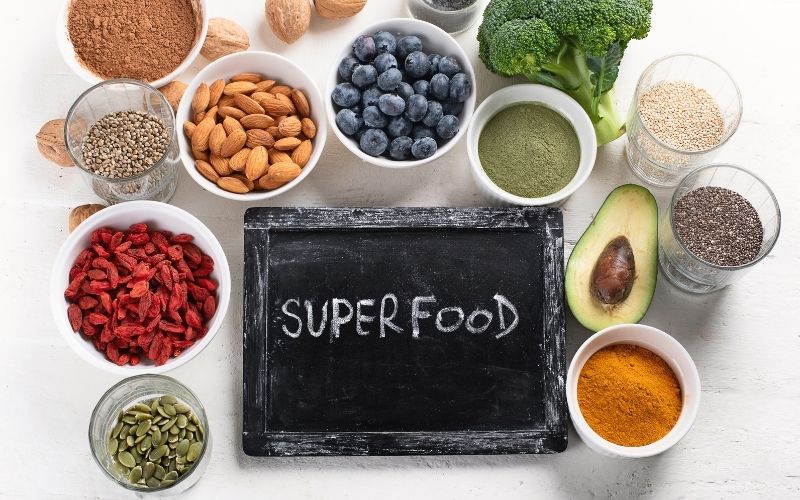
Here’s a closer look at some everyday superfoods that can be your digestive health allies:
1. Fiber Fantastic Fruits:
Fruits: Don’t underestimate the power of fruits when it comes to digestion. Many fruits are excellent sources of fiber, which helps add bulk to stool, promotes regularity, and keeps things moving smoothly through your digestive system.
Apples: An apple a day might just keep the digestive doctor away! Apples are a good source of soluble and insoluble fiber, both beneficial for gut health. Soluble fiber helps regulate blood sugar and slow down digestion, while insoluble fiber adds bulk and promotes regularity.
Pears: Like apples, pears are another great source of both soluble and insoluble fiber. They also contain sorbitol, a natural sugar alcohol that can have a laxative effect in some people.
Berries: Berries are a delicious and nutritious way to boost your fiber intake. Packed with antioxidants and fiber, berries can help keep your digestive system healthy and support regularity.
2. Mighty Greens for a Happy Gut:
Leafy Greens: Leafy greens like spinach, kale, and collard greens are nutritional powerhouses. They are excellent sources of fiber, vitamins, minerals, and antioxidants. The fiber in leafy greens helps promote digestive regularity and keeps you feeling full.
Artichokes: Artichokes are a unique vegetable with a prebiotic fiber called inulin. Inulin acts as food for the good bacteria in your gut, helping them thrive and promote a healthy gut microbiome.
Asparagus: Asparagus is another prebiotic powerhouse containing inulin. It also contains glutathione, an antioxidant that may help protect your digestive system from damage.
3. The Power of Whole Grains:
Whole Grains: Whole grains are a staple for a healthy digestive system. Unlike refined grains that have been stripped of their bran and germ, whole grains contain fiber, vitamins, minerals, and antioxidants. This fiber helps with digestion, keeps you feeling full, and promotes regularity.
Brown Rice: Brown rice is a good source of complex carbohydrates and fiber. The fiber helps slow down digestion and keeps you feeling satisfied longer.
Quinoa: This ancient grain is not only a complete protein but also a good source of dietary fiber. Quinoa is a versatile ingredient that can be enjoyed in various dishes.
Oats: Oats are a soluble fiber superstar. Soluble fiber dissolves in water to form a gel-like substance that helps slow down digestion, regulate blood sugar, and promote feelings of fullness.

4. Legume Love for a Healthy Gut:
Beans and Lentils: Beans and lentils are a budget-friendly source of plant-based protein and fiber. The fiber in these legumes helps keep you feeling full and promotes regularity. However, some people may experience increased gas when consuming beans. Start with smaller portions and gradually increase your intake to allow your gut bacteria to adjust.
Chickpeas: Chickpeas, also known as garbanzo beans, are another excellent source of protein and fiber. They can be enjoyed in various dishes, from hummus and falafel to salads and stews.
5. Don’t Forget the Fermented Friends:
- Fermented Foods: Fermented foods like yogurt, kimchi, sauerkraut, and kefir are rich in probiotic bacteria. Probiotics are live and active cultures that benefit your gut health by promoting the growth of good bacteria and crowding out harmful ones. Probiotics may help alleviate symptoms of digestive disorders like irritable bowel syndrome (IBS) [1].
Beyond the Plate: Lifestyle Habits for Gut Health
While incorporating these superfoods into your diet is a great start, optimizing gut health involves a holistic approach. Here are some lifestyle habits that can further support your
digestive well-being:
Hydration is Key: Drinking plenty of water throughout the day is essential for good digestion. Water helps soften stool and keeps things moving smoothly through your digestive tract. Aim for eight glasses of water per day, or adjust based on your individual needs and activity level.
Mindful Eating: Slow down and savor your food. Chew your food thoroughly before swallowing. This allows your body to break down food more efficiently and can aid in digestion. Additionally, mindful eating helps you connect with your body’s hunger and fullness cues, preventing overeating, which can strain your digestive system.
Manage Stress: Chronic stress can have a negative impact on your gut health. When stressed, your body releases hormones that can disrupt digestion and contribute to digestive issues like constipation or diarrhea. Practice relaxation techniques like yoga, meditation, or deep breathing to manage stress and promote gut health.
Regular Exercise: Physical activity is beneficial for your overall health, including your gut. Aim for at least 30 minutes of moderate-intensity exercise most days of the week. Exercise helps stimulate muscle contractions in your digestive tract, promoting gut motility and regularity.
Prioritize Sleep: When you don’t get enough sleep, it can disrupt the delicate balance of bacteria in your gut. Strive for 7-8 hours of quality sleep each night to allow your body to rest and repair, including your digestive system.
Limit Processed Foods and Added Sugars: Processed foods are often high in unhealthy fats, refined carbohydrates, and added sugars. These can negatively impact your gut health. Focus on consuming whole, unprocessed foods to nourish your body and support a healthy gut microbiome.
Listen to Your Body: Pay attention to how your body reacts to different foods. If you experience persistent digestive problems like bloating, gas, constipation, or diarrhea after consuming certain foods, it might be best to limit or eliminate them from your diet.
Remember: Everyone’s gut microbiome is unique. What works for one person may not work for another. It may take some trial and error to find the combination of foods and lifestyle habits that optimize your digestion. By incorporating these everyday superfoods and healthy lifestyle practices into your routine, you can cultivate a thriving gut microbiome and experience the benefits of a happy and healthy digestive system.