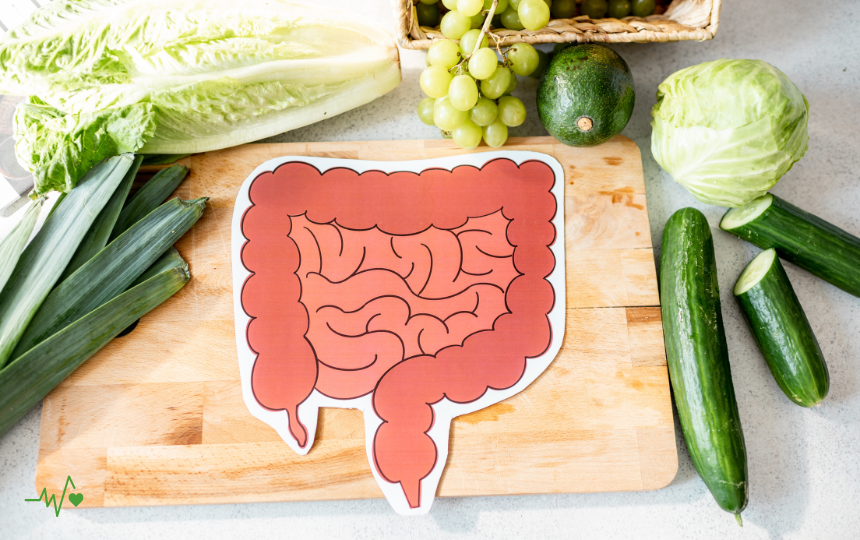
The gut, also known as the gastrointestinal (GI) tract, is a complex and fascinating ecosystem teeming with trillions of microorganisms, predominantly bacteria. This delicate balance of microbes plays a crucial role in digestion, nutrient absorption, immune function, and even mental health. In recent years, gut health has become a hot topic, and with it, a surge of misinformation and confusion. This article debunks some of the most Gut Health Myths Busted and sheds light on what you really need to know to cultivate a healthy gut.
Myth #1: You Need a Cleanse to Detox Your Gut
The concept of a “gut cleanse” often involves consuming specific foods, supplements, or laxatives to eliminate toxins and “reset” your digestive system. The truth is, your body has a natural detoxification system – your liver and kidneys. These organs efficiently filter and remove waste products from your bloodstream. While certain dietary choices can support liver and kidney function, there’s no scientific evidence to suggest that gut cleanses are effective or necessary. In fact, these cleanses can disrupt the delicate balance of bacteria in your gut and lead to unpleasant side effects like diarrhea, cramping, and electrolyte imbalances.
Myth #2: All Bacteria in Your Gut is Bad
For many years, bacteria were categorized simply as “good” or “bad.” However, the gut microbiome is a complex ecosystem composed of trillions of bacteria, both beneficial and potentially harmful. The key is to maintain a healthy balance. Beneficial bacteria, often referred to as “probiotics,” aid in digestion, nutrient absorption, and immune function. Certain strains of probiotics may even help alleviate symptoms of digestive disorders like irritable bowel syndrome (IBS) [1]. Conversely, an overgrowth of harmful bacteria can contribute to digestive issues and inflammation.
Myth #3: Yogurt is the Only Source of Probiotics
Yogurt is a popular source of probiotics, containing live and active cultures that can benefit gut health. However, it’s not the only option. Fermented foods like kimchi, sauerkraut, kombucha, and kefir are all rich in probiotic bacteria. Additionally, some cheeses and even dark chocolate can contain beneficial probiotic strains.
Myth #4: Gluten is Bad for Everyone
Gluten is a protein found in wheat, barley, and rye. People with celiac disease, an autoimmune disorder, experience an immune response when they consume gluten, leading to inflammation and damage to the small intestine. For individuals without celiac disease or gluten sensitivity, there’s no evidence that eliminating gluten offers any health benefits. In fact, a gluten-free diet can be restrictive and may lead to deficiencies in certain nutrients found in whole grains.
Myth #5: You Need to Cut Out Entire Food Groups for Good Gut Health
While certain foods may trigger digestive issues in some people, eliminating entire food groups without a confirmed intolerance or allergy is generally unnecessary and can be restrictive. A balanced diet rich in a variety of fruits, vegetables, whole grains, and lean protein is essential for promoting gut health. Focus on incorporating a wide range of fiber-rich foods, prebiotics that feed the good bacteria in your gut.

Myth #6: Bloating is Always a Sign of Something Wrong
Occasional bloating is a normal occurrence and can be caused by various factors, including eating too quickly, swallowing air, or consuming certain foods like beans or cruciferous vegetables. However, persistent bloating or bloating accompanied by other symptoms like diarrhea, constipation, or abdominal pain could indicate an underlying digestive issue and warrants a visit to your doctor.
Myth #7: You Need Expensive Probiotic Supplements for a Healthy Gut
While some research suggests that probiotic supplements may offer certain health benefits, they are not a magic bullet for gut health. Focusing on a diet rich in prebiotic and probiotic foods is generally a more sustainable and cost-effective approach. If you’re considering probiotic supplements, talk to your doctor to discuss what strain might be right for you, as different strains offer varying benefits.
So, What Can You Do to Promote a Healthy Gut?
Here are some evidence-based strategies to cultivate a thriving gut microbiome:
- Eat a Balanced Diet: Focus on a diet rich in fruits, vegetables, whole grains, and lean protein. Include prebiotic foods like onions, garlic, asparagus, and bananas to nourish your gut bacteria.
- Incorporate Probiotic Foods: Regularly consume fermented foods like yogurt, kimchi, sauerkraut, and kefir to introduce beneficial bacteria into your gut.
- Manage Stress: Chronic stress can disrupt the balance of bacteria in your gut. Practice relaxation techniques like yoga, meditation, or deep breathing
- Get Moving: Regular physical activity has been shown to positively impact gut health. Aim for at least 30 minutes of moderate-intensity exercise most days of the week.
- Prioritize Sleep: When you don’t get enough sleep, it can disrupt the delicate balance of bacteria in your gut. Strive for 7-8 hours of quality sleep each night.
- Limit Alcohol and Processed Foods: Excessive alcohol consumption and processed foods high in unhealthy fats, sugars, and refined grains can negatively impact gut health. Opt for moderation and prioritize whole, unprocessed foods.
- Consider Prebiotic Supplements: While incorporating prebiotic foods is ideal, prebiotic supplements may be an option for some. Discuss this with your doctor to determine if they’re right for you.
- Don’t Smoke: Smoking is a major risk factor for various health problems, including digestive issues. Quitting smoking can significantly improve your overall health and gut microbiome.
Remember:
- Individual Needs: Everyone’s gut microbiome is unique. What works for one person may not work for another. It may take some trial and error to find what optimizes your gut health.
- Listen to Your Body: Pay attention to how your body reacts to different foods and lifestyle choices. If you experience persistent digestive problems, consult your doctor to rule out any underlying medical conditions.
By incorporating these evidence-based strategies and debunking common gut health myths, you can take control of your digestive health and cultivate a thriving gut microbiome. Remember, a balanced diet, healthy lifestyle habits, and a focus on nourishing your gut bacteria are key to a happy and healthy gut.