In today’s health-conscious society, it is crucial to understand the profound impact that our daily lifestyle choices have on our overall well-being. From the foods we consume to how we manage stress, each decision directly influences vital bodily functions such as gut health, digestion, immune support, and natural detoxification. To truly prioritize our health, it is essential to adopt a holistic approach that focuses on nurturing a balanced gut microbiome through dietary modifications and probiotics, optimizing digestion through mindful eating practices and digestive aids, bolstering immune support with nutrient-rich foods and lifestyle habits, and facilitating natural detoxification through hydration, exercise, and stress reduction. By embracing these interconnected aspects of wellness and incorporating them into a budget-friendly meal plan, you can proactively enhance your vitality and resilience, fostering a harmonious relationship between mind, body, and environment for long-term health benefits.
Assess Your Budget
When it comes to creating a healthy meal plan on a budget, the first step is to assess your budget. Take a look at your overall financial situation and determine how much money you are able to allocate towards your monthly food expenses. This will help you set realistic goals and make informed decisions throughout the meal planning process.
Determine your monthly food budget
Start by calculating your monthly income and subtracting any fixed expenses you have, such as rent or mortgage, utilities, and transportation costs. Once you have a clear picture of how much disposable income you have left, you can then determine how much of that you are willing to allocate towards your food budget. This will vary from person to person, but a general guideline is to aim for around 10-15% of your monthly income.
Analyze your current spending habits
Next, take a close look at your current spending habits when it comes to food. This means examining your grocery bills, eating out expenses, and any other food-related costs. Are there areas where you are overspending or making unnecessary purchases? Identifying these patterns will help you make more informed choices moving forward.
Identify areas where you can cut costs
Once you have analyzed your current spending habits, it’s time to identify areas where you can cut costs. This could mean reducing the number of times you eat out each week, opting for cheaper alternatives at the grocery store, or finding creative ways to stretch your ingredients. Every small change you make can add up to significant savings over time.
Plan your Meals in Advance
Planning your meals in advance is a key strategy for creating a healthy meal plan on a budget. Not only does it help you stay organized, but it also ensures that you have a clear understanding of what ingredients you need to buy and how they will be used. Here are some tips to help you get started:
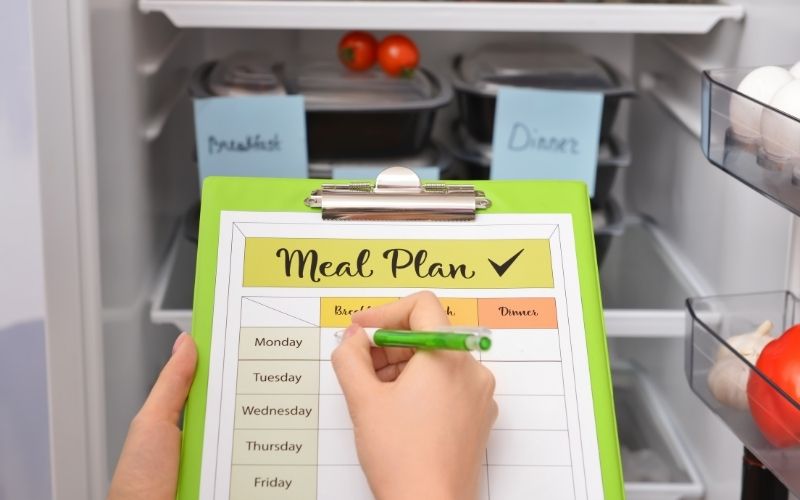
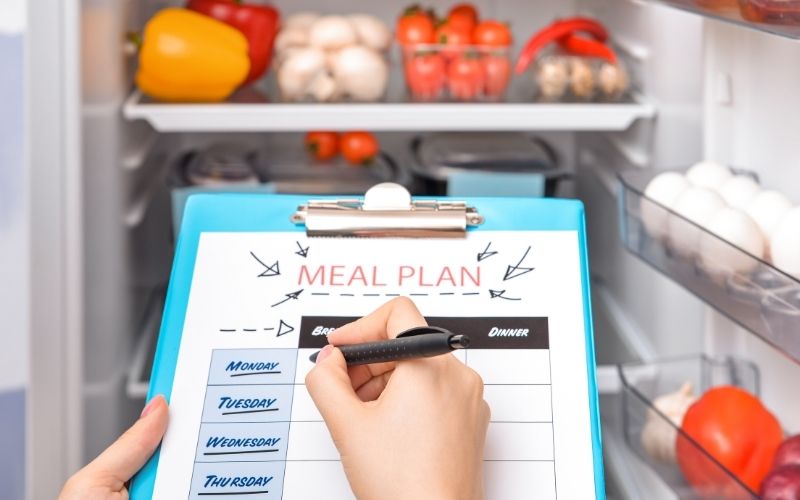
Create a weekly meal plan
Start by creating a weekly meal plan that outlines what you will be eating for breakfast, lunch, dinner, and any snacks. Take into account any dietary restrictions or preferences you may have, as well as the nutritional balance you want to achieve. By planning your meals in advance, you can avoid the temptation to eat out or make last-minute purchases.
Consider seasonal and local produce
When planning your meals, consider incorporating seasonal and local produce. These fruits and vegetables are often more affordable and have better flavor because they are in season. Additionally, supporting local farmers helps stimulate the local economy and reduces the carbon footprint associated with long-distance transportation.
Include a variety of protein sources
Protein is an essential nutrient that is necessary for various bodily functions. To keep your meal plan balanced and budget-friendly, include a variety of protein sources such as lean meats, poultry, fish, eggs, legumes, lentils, and beans. Mixing and matching protein sources can help you save money while still meeting your nutritional needs.
Opt for plant-based meals
Incorporating plant-based meals into your meal plan can be a cost-effective way to add variety and reduce your overall food costs. Plant-based proteins like tofu, tempeh, and seitan are often more affordable than animal-based proteins, and they provide a wide range of nutrients. Additionally, focusing on whole grains, fruits, and vegetables can help you create delicious and nutritious plant-based meals without breaking the bank.
Make a Shopping List
Once you have your meal plan in place, it’s time to make a shopping list. This is a crucial step in creating a healthy meal plan on a budget because it helps you stay focused and avoid impulse purchases. Here are some tips to help you make an effective shopping list:
Refer to your meal plan
Start by referring to your meal plan and writing down all the ingredients you will need for each recipe. Take note of quantities and any specific brands or varieties you prefer. This will ensure that you have everything you need when you head to the grocery store.
Stick to your list
When you’re at the store, it’s important to stick to your list and avoid buying items that are not on it. This will help you stay within your budget and prevent unnecessary spending. Only deviate from your list if you come across a sale or discount on an item you regularly use.
Shop in bulk
Buying in bulk can be a great way to save money on pantry staples and non-perishable items. Look for bulk bins or larger packages of items like rice, beans, oats, and spices. Just make sure you have enough storage space at home to accommodate your bulk purchases.
Look for sales and discounts
Keep an eye out for sales and discounts on the items you regularly buy. Many grocery stores have weekly specials or loyalty programs that can help you save money. Consider signing up for newsletters or digital coupons from your favorite stores to stay informed about the latest deals.
Purchase generic or store-brand items
Choosing generic or store-brand items over name brands can also help you save money. In many cases, the quality and taste are comparable, but the price difference can be significant. Give generic options a try and see if they meet your expectations.
Shop Smart
Once you have your shopping list, it’s time to hit the grocery store. By shopping smart, you can maximize your budget and make the most of your food purchases. Here are some strategies to help you shop smart:
Visit local farmers markets
In addition to your regular grocery store, consider visiting local farmers markets. These markets often have a wide variety of fresh produce at competitive prices. Plus, you get the added benefit of supporting local farmers and enjoying seasonal, locally-sourced ingredients.
Compare prices at different stores
Don’t be afraid to shop around and compare prices at different grocery stores. Prices can vary significantly from one store to another, so taking the time to do some research can help you get the best deals. Keep in mind that some stores may have loyalty programs or discounts for certain items, so factor those into your decision-making process as well.
Utilize coupons and loyalty programs
Take advantage of coupons and loyalty programs offered by grocery stores. Clip coupons from newspapers or print them from online sources, and keep them handy for your shopping trips. Additionally, sign up for loyalty programs that offer discounts and rewards for frequent shoppers.
Buy whole foods instead of processed foods
Opting for whole foods instead of processed foods can not only be healthier but also more cost-effective. Processed foods often come with a higher price tag due to the added processing and packaging costs. By buying whole foods like fresh fruits, vegetables, grains, and meats, you can save money and have more control over the ingredients you consume.
Purchase frozen fruits and vegetables
If fresh produce is too costly or not readily available, consider purchasing frozen fruits and vegetables. These items are often more affordable and still retain a high nutritional value. Frozen produce can be used in a variety of dishes and can help you maintain a well-balanced and budget-friendly meal plan.
Meal Prepping
Meal prepping is an excellent way to save time, money, and effort throughout the week. By preparing meals in advance, you can ensure that you always have healthy options available and reduce the likelihood of relying on expensive takeout or fast food. Here are some tips for effective meal prepping:
Cook in bulk
When meal prepping, it’s helpful to cook in bulk. This means preparing larger quantities of food than what you need for a single meal. By doing so, you can save time and energy by cooking once and having leftovers for several meals throughout the week.
Divide meals into portions
Once your meals are cooked, divide them into individual portions. This will make it easier to grab a meal on the go, and it will also help you control portion sizes. Use reusable containers to store your prepared meals, as they are more cost-effective and environmentally friendly than disposable options.
Use reusable containers
Invest in a set of reusable containers for your meal prepping needs. These containers are durable, microwave-safe, and easy to clean. They can be used repeatedly, reducing the need for single-use plastic bags or containers.
Freeze leftovers
If you find yourself with excess leftovers after meal prepping, don’t let them go to waste. Instead, freeze them for later use. Freezing leftovers can extend their shelf life and provide you with quick and convenient meals when you’re short on time or ingredients.
Create versatile ingredients
When planning your meal prepping, focus on creating versatile ingredients that can be used in various dishes throughout the week. For example, cook a large batch of grilled chicken that can be used in salads, wraps, stir-fries, or sandwiches. This way, you can maximize the use of your ingredients and reduce food waste.
Cook at Home
Cooking at home is not only a great way to save money but also an opportunity to experiment with new recipes and involve the whole family in meal preparation. Here are some reasons why cooking at home can be beneficial:
Avoid eating out frequently
Eating out frequently can quickly add up and strain your budget. By cooking at home, you have full control over your ingredients and portion sizes, and you can prepare meals that meet your nutritional needs without overspending.
Experiment with new recipes
Cooking at home gives you the freedom to experiment with new recipes and flavors. Look for inspiration from cookbooks, online recipe websites, or cooking shows. Trying out new recipes can be a fun and cost-effective way to expand your culinary skills and discover new favorite dishes.
Limit processed and pre-packaged foods
When cooking at home, you have the advantage of being able to choose whole, unprocessed ingredients. Limiting your consumption of processed and pre-packaged foods can contribute to better overall health and save you money in the long run.
Cook large batches and freeze extras
As mentioned earlier, cooking in large batches and freezing extras is a great way to save time and money. By having pre-cooked meals in the freezer, you always have a backup plan for busy days or nights when you don’t feel like cooking.
Involve the whole family in meal preparation
Getting the whole family involved in meal preparation can be a fun and educational activity. Assign age-appropriate tasks to each family member, such as chopping vegetables, setting the table, or following a recipe. Not only does this promote bonding and teamwork, but it also teaches valuable life skills.
Embrace Vegetarian and Vegan Options
Another way to create a healthy meal plan on a budget is to embrace vegetarian and vegan options. Plant-based meals can provide a wide range of nutrients while being more cost-effective than meat-based meals. Here are some ways to incorporate more vegetarian and vegan options into your meal plan:
Include legumes, lentils, and beans
Legumes, lentils, and beans are excellent sources of plant-based protein and are often more affordable than animal-based proteins. They are versatile ingredients that can be used in a variety of dishes, from soups and salads to curries and stews. Experiment with different recipes and flavors to find combinations you enjoy.
Try tofu and tempeh
Tofu and tempeh are popular plant-based protein sources that can be used as alternatives to meat in various recipes. They are available in different textures and can be marinated or seasoned to suit your taste preferences. Incorporate tofu or tempeh into stir-fries, sandwiches, or even as a meat substitute in burgers or tacos.
Experiment with meat alternatives
There are now a wide variety of meat alternatives available on the market that can be used in place of traditional meats. These options include products like plant-based burgers, sausages, and ground meat substitutes. While they may be slightly more expensive than some other plant-based options, they can still be cost-effective when used sparingly.
Focus on whole grains
In addition to legumes and protein alternatives, focus on incorporating whole grains into your meals. Examples of budget-friendly whole grains include rice, quinoa, barley, and oats. These grains are not only affordable but also provide essential nutrients and fiber.
Increase vegetable intake
Vegetables are a crucial component of a healthy meal plan, regardless of whether you follow a vegetarian or vegan diet. They are often more affordable than meat and can be used in a variety of ways. Include a wide variety of vegetables in your meals, both cooked and raw, to ensure you are meeting your nutritional needs.
Reduce Food Waste
Reducing food waste is not only good for the environment but can also help you save money. By being mindful of your purchasing and consumption habits, you can minimize the amount of food that ends up in the trash. Here are some strategies to reduce food waste:
Plan meals according to perishable ingredients
When creating your meal plan, take into account any perishable ingredients you have on hand. Plan meals that incorporate these ingredients earlier in the week to ensure they are used before they spoil. Utilize meal planning apps or calendars to help you keep track of what needs to be consumed first.
Properly store leftovers
Properly storing leftovers is essential to maintain their freshness and prevent spoilage. Invest in airtight containers or resealable bags and label them with the contents and date. Place them in the refrigerator or freezer promptly after cooking or serving to maximize their shelf life.
Repurpose ingredients for new dishes
If you find yourself with leftover ingredients that may not be enough to make a full meal, get creative and repurpose them into new dishes. For example, leftover roasted vegetables can be added to salads or made into a frittata. This way, you can make the most of every ingredient and reduce waste.
Compost food scraps
When food scraps are not suitable for consumption or repurposing, consider composting them instead of throwing them away. Composting not only helps reduce waste but also creates nutrient-rich soil that can be used for gardening or plant care. Research local composting programs or explore composting options in your own backyard.
Donate excess non-perishable items
If you have non-perishable items that you know you won’t use or that are near their expiration date, consider donating them to a local food bank or charity. Many organizations accept donations of canned goods, boxed items, and other non-perishable foods to help those in need.
Use Affordable and Nutrient-Dense Ingredients
Creating a healthy meal plan on a budget doesn’t mean sacrificing nutrition. By choosing affordable and nutrient-dense ingredients, you can ensure that your meals are both wholesome and cost-effective. Here are some tips for selecting affordable and nutrient-dense ingredients:
Opt for seasonal produce
Seasonal produce is often more affordable and has better flavor than out-of-season options. Fruits and vegetables that are in season are abundant and therefore tend to be priced more competitively. Take advantage of seasonal produce and incorporate it into your meal plan whenever possible.
Choose inexpensive protein sources
Protein is an important component of a healthy meal plan, but it doesn’t have to break the bank. Look for affordable protein sources such as eggs, legumes, lentils, and canned tuna. These options are not only cost-effective but also provide essential nutrients.
Include whole grains and legumes
Whole grains and legumes are affordable, versatile, and nutrient-dense ingredients that should be part of a budget-friendly meal plan. Brown rice, quinoa, lentils, and black beans are excellent choices that provide fiber, protein, and other essential nutrients.
Utilize affordable pantry staples
Having a well-stocked pantry can help you create meals quickly and affordably. Stock up on affordable pantry staples such as canned beans, canned tomatoes, rice, pasta, and spices. These items typically have a long shelf life and can be used in a variety of recipes.
Prioritize nutrient-rich foods
When planning your meals, prioritize nutrient-rich foods that offer a high nutritional value for their cost. Foods like leafy greens, berries, nuts, and seeds are packed with essential vitamins and minerals and can be cost-effective when purchased in bulk.
Practice Portion Control
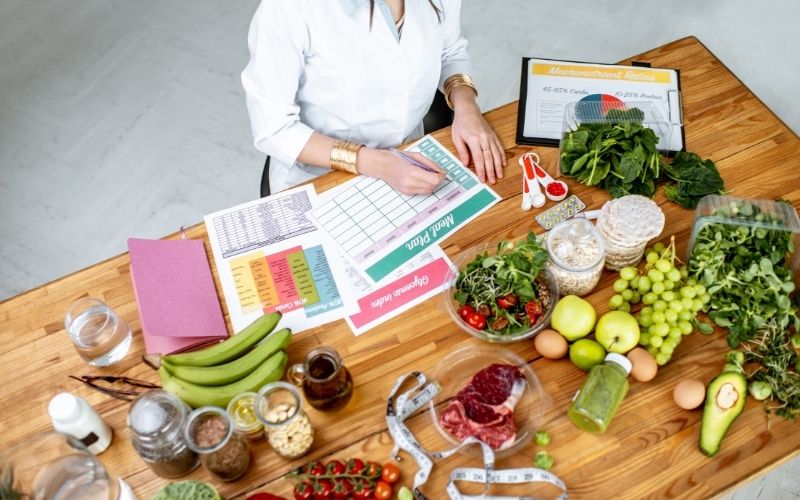
Practicing portion control is an important aspect of maintaining a healthy meal plan while on a budget. By being mindful of your portion sizes, you can prevent overeating and reduce food waste. Here are some strategies to help you practice portion control:
Measure serving sizes
To ensure you are consuming appropriate portion sizes, use measuring cups, spoons, or a kitchen scale to measure your food. This will help you become more familiar with serving sizes and avoid underestimating or overestimating your intake.
Use smaller plates and bowls
Using smaller plates and bowls can help you control portion sizes without feeling deprived. Studies have shown that people tend to eat less when they are served on smaller plates. By downsizing your dinnerware, you can trick your brain into thinking you are eating a full portion.
Avoid unnecessary snacks
Snacking can easily lead to excessive calorie consumption and can strain your budget. Instead of mindlessly snacking throughout the day, focus on three well-balanced meals that keep you satisfied until your next meal. If you do need a snack, choose healthy options such as fruits, vegetables, or nuts.
Find creative ways to use leftovers
If you find yourself with leftover food, get creative and find ways to incorporate them into new dishes. Leftover vegetables can be added to omelets or stir-fries, while leftover meat can be turned into sandwiches or wraps. This way, you can repurpose your leftovers and prevent waste while still enjoying delicious meals.
Listen to your body’s hunger and fullness cues
Above all, listen to your body’s hunger and fullness cues. Pay attention to how you feel when you eat and stop eating when you are satisfied, not when you are overly full. Eating slowly and mindfully can help you tune in to your body’s signals and prevent overeating.
By following these tips and strategies, you can create a healthy meal plan on a budget without sacrificing taste or nutrition. With careful planning, mindful shopping, and efficient meal prepping, you can enjoy nutritious and delicious meals while saving money. Remember that small changes can add up to big savings, so start implementing these strategies today and reap the benefits of a budget-friendly, healthy lifestyle.